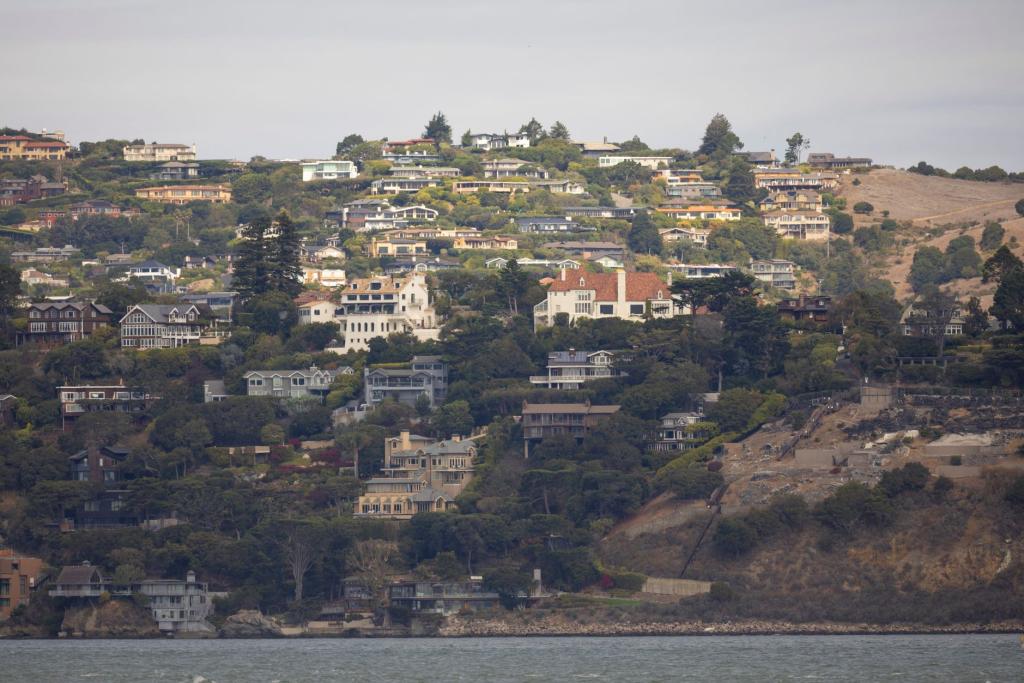
The Norte Fire California blaze tore through the coastal hills of San Clemente on Friday and jumped into San Juan Capistrano, where it burned at least six expensive homes while thousands of people ran for the exits, according to the BBC.
It is the first big Santa Ana wind event of the fall, and it hit hard. Hot, dry gusts blowing from the desert toward the ocean turned a patch of brush into a fast-moving wall of flame. Here is what you need to know.
What the Norte Fire did
The Norte Fire started in the hills of San Clemente in Orange County and grew past four hundred sixty acres by Friday evening. Wind drove it into neighbouring San Juan Capistrano, where TV footage showed two-storey homes with flames leaping from their roofs, smoke rolling over tennis courts and swimming pools.
The Los Angeles Times reported that the fire sat at zero percent containment on Friday night, with about six thousand homes and sixteen thousand residents under an evacuation order, according to the Los Angeles Times. One firefighter suffered heat exhaustion. Shelters opened in both cities, and a separate blaze near San Onofre shut the 5 Freeway for hours.
Fires everywhere, not just Orange County
The Norte Fire was only one of several. In Malibu, the Bryson Fire spread through the Santa Monica Mountains and triggered evacuation orders and warnings across a large stretch of the range. It had grown to roughly one hundred forty-seven acres, the BBC said.
Earlier on Thursday, firefighters also fought a blaze that forced evacuations in Azusa, north of Los Angeles. The Guardian reported that the largest early fire, called the Henderson fire, erupted at Camp Pendleton and burned more than one thousand acres, as noted by The Guardian.
Why the winds are such a big deal
Santa Ana winds usually show up from late September to May, but the Norte Fire California outbreak is a reminder that they can arrive hot and early. Forecasters warned of gusts of fifty to seventy miles per hour in the mountains, and the National Weather Service flagged a high risk of large fires and rapid growth.
The Weather Channel said red flag warnings stretched through Saturday evening for parts of Southern California and the Sierra Nevada, with isolated gusts that could reach even higher in the most exposed spots, according to Weather.com.
Power shutoffs and a real-world test
Utilities cut electricity to tens of thousands of customers around the state as a precaution, since some of California's worst wildfires have been sparked by power equipment. That meant dark hillsides in Ventura County and across much of the Santa Monica Mountains on Thursday night.
It is also a stress test. The Los Angeles Times noted that this wind event is the first major trial of whether city and county agencies learned the lessons of the devastating Palisades and Eaton fires. Officials in Orange County said they were well aware of what canyons and offshore winds can do to a coastal city.
What happens next
The strongest gusts were easing by early Saturday, but dangerous fire weather is expected to linger. Crews are bracing for another day of heat and wind, and containment of the Norte Fire is the number one thing to watch.
If you live in the area, follow local evacuation maps, keep a go-bag handy, and do not wait for a second order. For more on the planet's wild weather, check our climate emergency coverage. Homes can be rebuilt, but the fast part of this story is how little warning many families had.
The bigger picture is uncomfortable for a generation that grew up with orange skies. Fire season is no longer a summer-only thing, and a single windy weekend can still wipe out entire streets. Expect updated numbers on homes lost and acres burned as crews get daylight to survey the damage, and expect the debate over power shutoffs and rebuilding to heat up right along with the weather.
Comments 0
No comments yet. Be the first to share your thoughts!
Leave a comment
Share your thoughts. Your email will not be published.