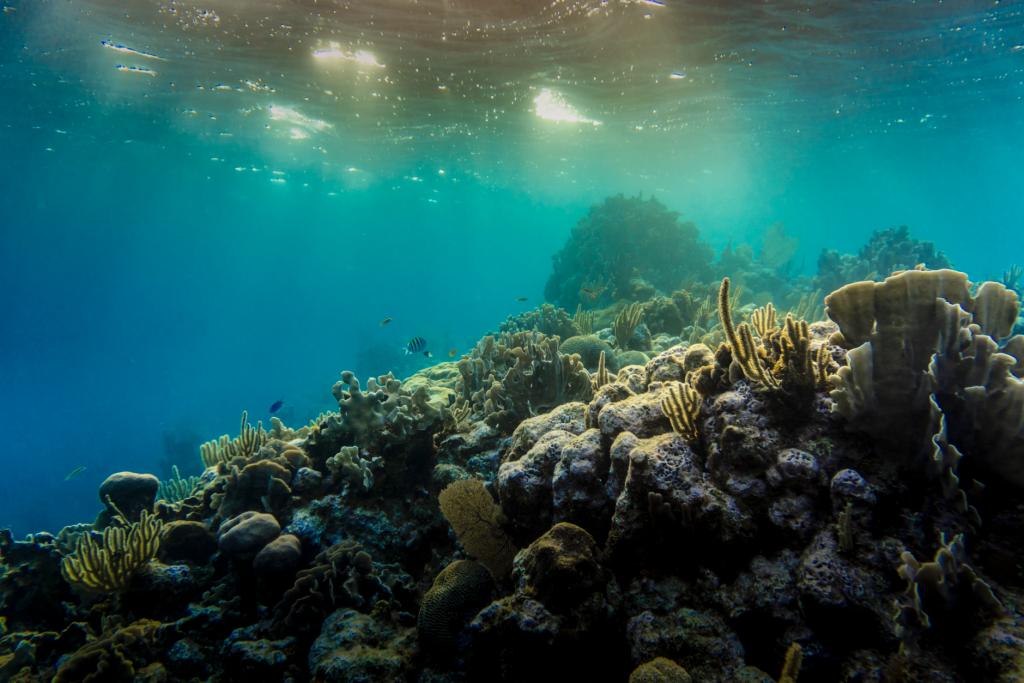
Coral extinction risk just got a brutal new number: forty-four percent of the world's reef-building coral species are now threatened with extinction, according to a global reassessment released this week by the International Union for Conservation of Nature. The study, published in Nature, lands as the planet heads into what scientists describe as a super El Niño, and the authors warn the real picture is probably worse than the headline figure.
What the new coral assessment found
The work was led by the IUCN Species Survival Commission's Coral Specialist Group and drew on more than sixty coral experts worldwide. They reviewed eight hundred ninety-two reef-building coral species on the IUCN Red List of Threatened Species, the first full update since the original assessment in two thousand eight, according to the IUCN press release.
Only seven hundred seventy-four species had enough data to be classified. Of those, three hundred forty landed in the highest-risk categories. That breaks down to thirty-three Critically Endangered, two hundred fifty-one Endangered and fifty-six Vulnerable. Back in two thousand eight, roughly one third of reef-building corals were considered threatened, so the trend line is moving the wrong way fast.
Climate change is the main culprit
Warming oceans are the villain here. The IUCN says climate change determined the final status of more than ninety percent of the species at highest risk. Researchers estimated population losses using global coral cover trends, projected severe bleaching under a middle-of-the-road climate scenario, and traits that make some species more fragile than others, as the Nature paper explains.
Bleaching happens when heat stress forces corals to expel the algae that feed them and give them color. Survive a short heatwave and a reef can recover. Get hit again and again, and it starves. That is why the coral extinction risk keeps climbing even as scientists argue over how to protect individual reefs.
Where the danger is highest
Risk is not spread evenly. In the Indo-Pacific, which includes the Great Barrier Reef, forty-three percent of assessed species are threatened, while in the Atlantic the share jumps to fifty percent. Some of the most important reef builders are in deep trouble: among Indo-Pacific Acroporidae, the family that includes staghorn and plating corals, one hundred ninety-one of two hundred seventy-nine species are classed as Endangered.
Those branching corals matter because they build the three-dimensional structure that fish, crabs and other animals hide in. Lose them and a reef flattens out, which also weakens its ability to blunt waves before they hit the coast.
The IUCN also tracks a coral Red List Index, where one means no species face high risk and zero means all are gone. It slid from zero point nine six before nineteen ninety-eight to zero point eight nine in two thousand eight, then to zero point seven four in twenty twenty-four. The organization says corals are declining faster than any other group that has been comprehensively assessed, including mammals, birds, amphibians, sharks and rays.
Why the real number is probably worse
Here is the part that should stick with you. The assessment relied on data up to twenty twenty, so it predates the three hottest years on record and the fourth global bleaching event, which ran from twenty twenty-three to twenty twenty-five. The authors say the share of species at risk is therefore likely higher than forty-four percent. A super El Niño building through twenty twenty-six and twenty twenty-seven adds more heat on top.
Dr Zoe Richards, who worked on the original two thousand eight assessment, told ABC Australia that corals are making it very clear they are in trouble, which puts entire reef ecosystems in jeopardy, according to ABC. Co-chair David Obura of CORDIO East Africa called the findings a stark warning of accelerating threats to reefs.
Why this hits you, not just fish
Reefs cover a tiny slice of the seafloor but support huge amounts of marine life, shield coastlines from storms and feed millions of people. Canadian Press reported that scientists see coral decline threatening biodiversity, food security, coastal protection and livelihoods around the world. If you like snorkel trips, seafood or not getting flooded, you have a stake in this.
There is a sliver of hope in the data. The researchers stress that responses to heat vary between species, populations and places, so the future of reefs is not a simple switch between survival and collapse. Their message is that every tenth of a degree of warming avoided helps keep more coral diversity alive, alongside stronger protection of reefs that show resilience.
For anyone following the bigger climate story, this is another data point that the cost of waiting is measurable. You can keep up with related coverage in our climate emergency section, and the fight over how fast the world cuts emissions will decide how many of these species make it to the next assessment.
Comments 0
No comments yet. Be the first to share your thoughts!
Leave a comment
Share your thoughts. Your email will not be published.