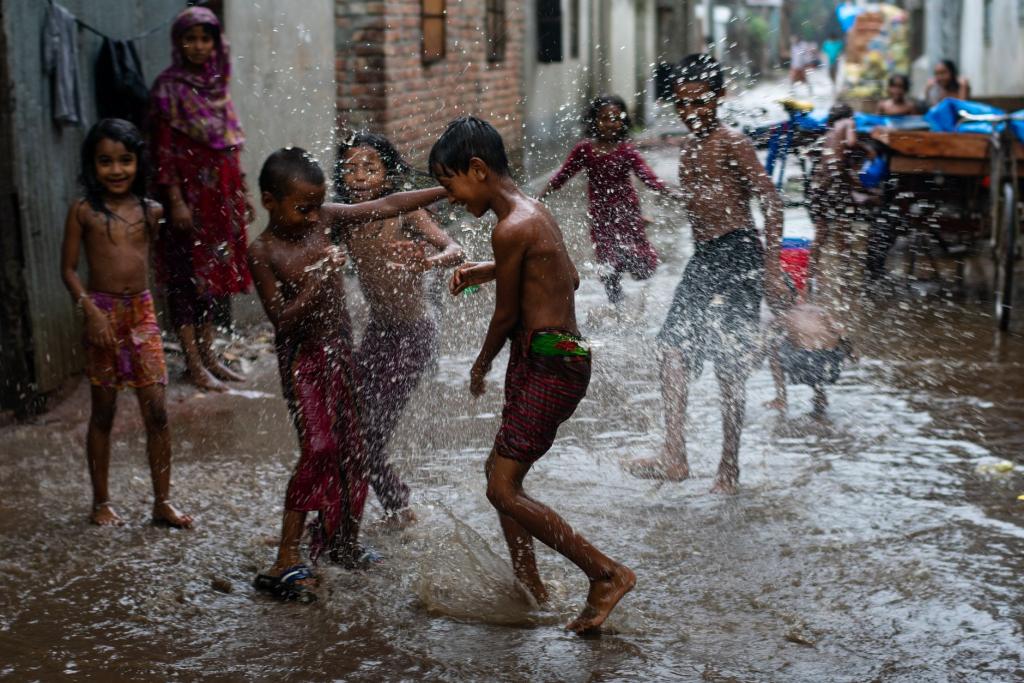
The Bangladesh measles outbreak has become the biggest measles crisis anywhere in the world this year, and the numbers are brutal. According to The Straits Times, citing the World Health Organization, the country logged about two hundred two thousand suspected cases between mid-March and October ninth, and one thousand one hundred forty-seven people have died.
Ninety-four percent of those reported deaths were children under five. That detail is what makes this story hit so hard, because measles is one of the most preventable diseases on the planet.
The numbers behind the crisis
The WHO says roughly twenty-two thousand of the suspected cases were confirmed in a lab. That is more suspected cases than any other country has recorded in twenty twenty-six. Local health authorities have kept counting since then. Dhaka Tribune reported that five more children died in a single day, pushing the national toll counted by the health directorate to one thousand one hundred eighty-six.
Why do the totals differ? Most deaths are logged as suspected, meaning children had measles-like symptoms but were never lab tested. Only one hundred four deaths are lab confirmed. In a system stretched this thin, testing every sick child is not realistic, so officials treat suspected cases as measles.
Dhaka Division carries the heaviest load, with tens of thousands of cases, and Chattogram and Barishal are also badly hit. The WHO first flagged a nationwide surge back in April, when cases were spread across fifty-eight of the country's sixty-four districts.
How vaccination slipped
Bangladesh was once a vaccination success story. Coverage for the first measles dose reached ninety-six percent in twenty twenty-four. Then the routine programme faltered in twenty twenty-five, and coverage for the first dose fell to ninety percent while the second dose dropped to eighty-six percent, per WHO and UNICEF estimates cited in the coverage.
That might sound like a small drop. It is not. The WHO says coverage of at least ninety-five percent is needed to keep measles from spreading, because the virus is so contagious that even small gaps in protection let it tear through a community.
An independent review also landed this week. According to Prothom Alo, a joint team from the WHO, UNICEF, Gavi and Bangladesh's health ministry found that the country failed to vaccinate large numbers of children. Reporting on the review says measles-rubella vaccine supplies ran out in twenty twenty-five, and hundreds of thousands of children missed shots over the years.
The promise that did not hold
Back in May, the health minister said an emergency drive had brought cases in hotspots almost to zero and that the outbreak was under control. That did not last. In September, Bangladesh reported a daily average of one thousand one hundred ninety-eight new cases, the highest since May.
The health ministry says it has vaccinated about twenty million children since April. That is a huge effort, but it came after the virus was already moving. Reuters, as relayed by regional outlets, described a hospital in Sylhet with only one hundred beds being overwhelmed by sick kids.
Why the world is watching
Mark Jit, a WHO vaccine adviser and professor at New York University's School of Global Public Health, told Reuters, "This is a real warning to every country." His point is that stopping an outbreak with vaccines is easier, cheaper and safer than fighting one after it takes off.
Measles does not respect borders. Any place where vaccination rates slide, including wealthy countries, can see the same pattern play out. Ongoing global health updates are tracked on our health page.
For young people, the takeaway is simple and practical. Check that your own measles shots are up to date, especially if you are travelling. Two doses are the standard, and a quick call to a clinic or a look at your records can settle it.
The bigger lesson is that public health systems can erode quietly. A shortage here, a missed campaign there, and a decade of success can unravel within a couple of years. Bangladesh is now racing to rebuild trust and supply while the death count keeps climbing every day, and the rest of the world has been put on notice.
Comments 0
No comments yet. Be the first to share your thoughts!
Leave a comment
Share your thoughts. Your email will not be published.