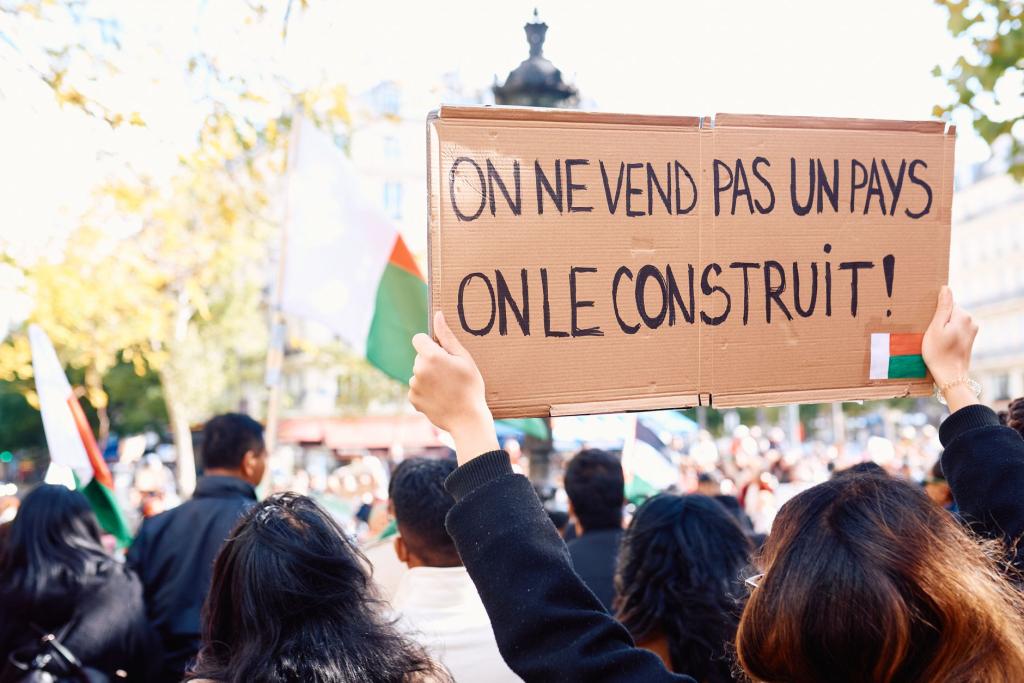
The France protests hit a new level on Saturday, as high school students, trade unionists and remnants of the Yellow Vest movement poured into the streets over the cost of living, according to Al Jazeera. What started as a teenage revolt over crumbling classrooms is now a national mood.
By the morning, riot police were already in action. Euronews reported that protesters in Marseille set bins and electric scooters on fire, while shops across the country boarded up their windows to avoid looting. Authorities were bracing for trouble in Paris and other big cities.
How a school walkout became a national movement
The France protests began in mid-September at a high school in Creteil, a suburb of Paris. Students there were angry about dilapidated buildings, overcrowded classrooms, teacher shortages and an education system they see as deeply unequal, according to Al Jazeera.
From there it spread to thousands of upper secondary schools. Teachers, unions and university students joined in. Reuters reported that anger over teacher absences and shabby facilities quickly turned into a wider movement against inequality, weak public spending and falling standards.
For a lot of Gen Z in France, the fear is bigger than one leaking roof. A diploma no longer feels like a ticket to a stable job or a better life. An OECD report in September found French fifteen-year-olds scoring among their lowest levels on record in maths and reading.
Yellow Vests are back, kind of
The Yellow Vest movement started in 2018 as a revolt against diesel taxes, then grew into a fight over high living costs and income inequality. Things had been quiet since Macron agreed to billions of euros in tax cuts, according to Reuters.
This time, prominent activist Jerome Rodrigues released a video message saying paths may differ but concerns can converge, urging people to join the students. A website tracking the actions listed more than one thousand seven hundred fifty planned protest locations nationwide.
Fuel prices are a big part of the anger. RFI quoted one former Yellow Vest protester who said petrol used to cost one euro forty a litre and now costs two euros twenty. Authorities expected between seventy thousand and one hundred forty thousand people to turn out, and protesters were expected to set up filtering roadblocks, a tactic from the 2018 movement.
Violence, police and a lot of injured teens
The numbers coming out of the student phase are heavy. French Prime Minister Sebastien Lecornu said nine hundred thirty-seven police officers and gendarmes have been injured since the protests began, along with two hundred forty-eight students and one hundred forty-nine teaching staff, according to Euronews.
Critics say the police response has gone too far. Al Jazeera reported that more than six thousand seven hundred children had been taken into custody since mid-September. Two cases stand out: a fifteen-year-old who lost a hand to a stun grenade in Lens, and a sixteen-year-old in Tours who lost his sight to a rubber bullet.
Interior Minister Laurent Nunez said stun grenades, which were suspended for student demonstrations, could be used again on Saturday if serious urban violence broke out. Macron called for calm, saying the right to protest must come with respect for people and property. Meanwhile one of the biggest police unions has said it will file a complaint against the state over contradictory orders.
Why the money fight matters
The government is caught in a squeeze. France ran a deficit of one hundred fifty-two billion euros last year, about five percent of GDP, and public debt sits at roughly one hundred sixteen percent of GDP, the third highest in the EU, per Al Jazeera.
Lecornu is pushing a 2027 budget with spending restraint, a public sector pay freeze and limits on pension increases, and it has to pass a hung parliament. He described the mood as perma-crisis, with wars, inflation and purchasing power all colliding.
The government has tried to cool things down by scrapping planned increases in some university fees and promising three thousand substitute teachers. Teachers on the ground say that is a patch, not a fix. One literature teacher compared it to pouring more water into a leaking pool instead of fixing the pool.
What to watch next
The stakes are political too. Presidential hopefuls like Jean-Luc Melenchon and Marine Le Pen are already circling, and the government has accused Melenchon's party of stoking unrest, which it denies. With the 2027 election about six months away, every street clash is a campaign story.
The big question is whether Saturday becomes a one-day spike or the start of a long winter. For more on global unrest, check our world coverage. The France protests are far from over, and young people are the ones setting the pace.
Comments 0
No comments yet. Be the first to share your thoughts!
Leave a comment
Share your thoughts. Your email will not be published.