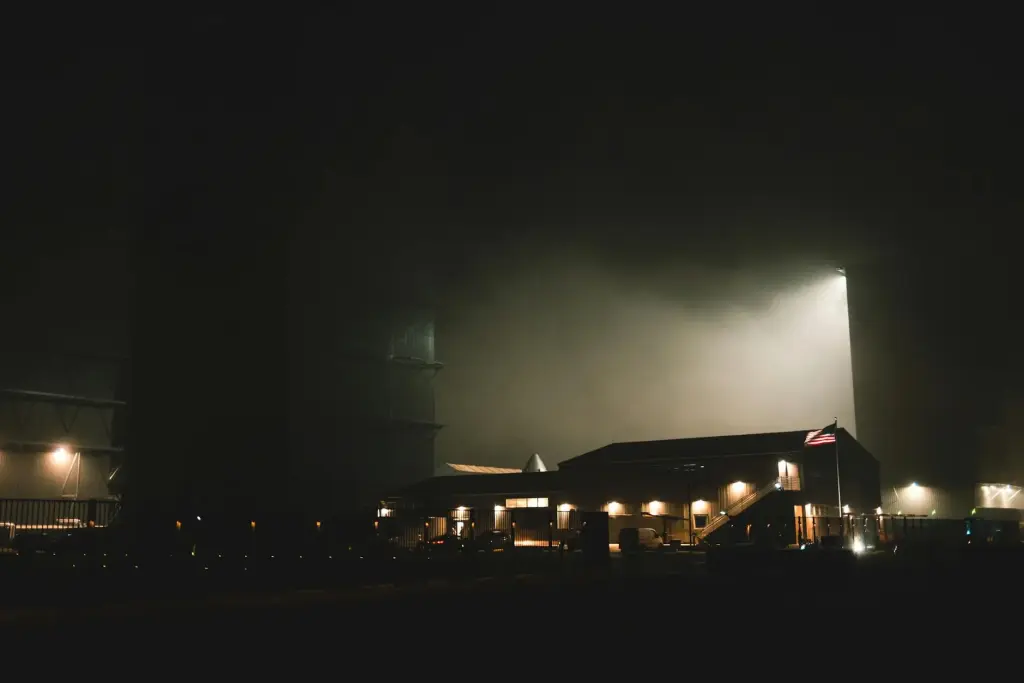
The historic Artemis 2 launch is happening today as NASA makes history, sending four astronauts on a groundbreaking journey around the moon for the first time in over five decades. This monumental mission is scheduled to lift off at 6:24 p.m. EDT from Kennedy Space Center in Florida, marking humanity's long-awaited return to deep space exploration after 52 years. The excitement surrounding this historic moment has captured the attention of millions worldwide, with crowds gathering along Florida's Space Coast to witness the powerful Space Launch System rocket break the bonds of Earth.
The crew includes NASA astronauts Reid Wiseman, Victor Glover, and Christina Koch, along with Canadian Space Agency astronaut Jeremy Hansen. According to Space.com, this mission represents the first crewed lunar flight since the Apollo 17 mission in December 1972. No humans have ventured beyond low Earth orbit in more than 50 years, making this launch a genuinely historic moment for space exploration and human achievement. The mission builds on the successful Artemis II preparation that has been years in the making.
The Artemis 2 launch comes after years of preparation and multiple delays. The Artemis 1 uncrewed test flight successfully circled the moon in late 2022, proving that the Orion spacecraft could survive the harsh radiation environment of deep space. Now, with four humans aboard the Orion capsule named "Integrity," NASA is ready to demonstrate that its systems can safely support astronauts during extended missions far from Earth's protective atmosphere.
Why Artemis 2 Launch Changes Everything for Space Exploration
The Artemis 2 launch isn't just about nostalgia for the Apollo era—it's about building a sustainable future in space. Unlike the Apollo program, which focused primarily on planting flags and footprints before ending abruptly, the Artemis program aims to establish a permanent human presence on the moon. This 10-day mission will rigorously test the Orion spacecraft's life support systems, navigation capabilities, and heat shield performance during high-speed reentry, all critical elements for future lunar landings.
What makes this mission particularly groundbreaking is the crew diversity. While all Apollo astronauts were white American men, Artemis 2 features the first person of color (Victor Glover), the first woman (Christina Koch), and the first non-American (Jeremy Hansen) to travel beyond low Earth orbit. Koch previously set the record for the longest single spaceflight by a woman during her incredible 328-day stay on the International Space Station, conducting groundbreaking research while inspiring a new generation of space explorers. This milestone builds on other recent NASA historic launches.
The mission will use NASA's powerful Space Launch System rocket, standing 32 stories tall and loaded with over 700,000 gallons of cryogenic fuel. The Orion capsule will carry the crew on a carefully calculated free-return trajectory around the moon, coming within just 80 miles of the lunar surface at its closest approach before the moon's gravity naturally slingshots the spacecraft back toward Earth. This trajectory ensures that even if main engines fail, the crew can return safely without additional burns.
During their journey, the four astronauts will have unprecedented views of the far side of the moon, a region never before seen by human eyes during the Apollo missions. They'll spend approximately 10 days living and working inside the compact Orion capsule, testing equipment and procedures that will be essential for the longer missions planned later this decade.
What's Next After the Artemis 2 Launch
NASA has ambitious plans following today's historic Artemis 2 launch. Artemis 3, currently scheduled for 2027, will test Orion's ability to dock with lunar landers being developed by SpaceX's Starship and Blue Origin's Blue Moon. These massive spacecraft represent the next evolution in space transportation, designed to carry astronauts from lunar orbit down to the surface and back.
If all goes according to plan, Artemis 4 in 2028 will finally put boots back on the moon near the lunar south pole—a region rich in water ice trapped in permanently shadowed craters. This water represents a critical resource for future explorers, potentially providing drinking water, oxygen for breathing, and even rocket fuel when split into hydrogen and oxygen. Establishing a base camp at the south pole could enable sustained lunar presence for weeks or months at a time.
The ultimate goal extends far beyond our celestial neighbor. According to NASA officials, the knowledge gained from sustained lunar presence will help humanity prepare for the next giant leap: crewed missions to Mars in the 2030s and 2040s. The moon essentially becomes a testing ground for technologies, operational procedures, and human factors needed for deeper space exploration, while remaining close enough for rescue if something goes wrong.
Commander Reid Wiseman captured the profound significance of this moment during a press conference at Kennedy Space Center: "The nation, and the world, has been waiting a long time to do this again." After years of technical challenges, budget debates, and schedule delays, that wait finally ends today as four brave explorers begin their journey to restart humanity's deep space adventures and inspire millions of young people who will follow in their footsteps.
Comments 0
No comments yet. Be the first to share your thoughts!
Leave a comment
Share your thoughts. Your email will not be published.