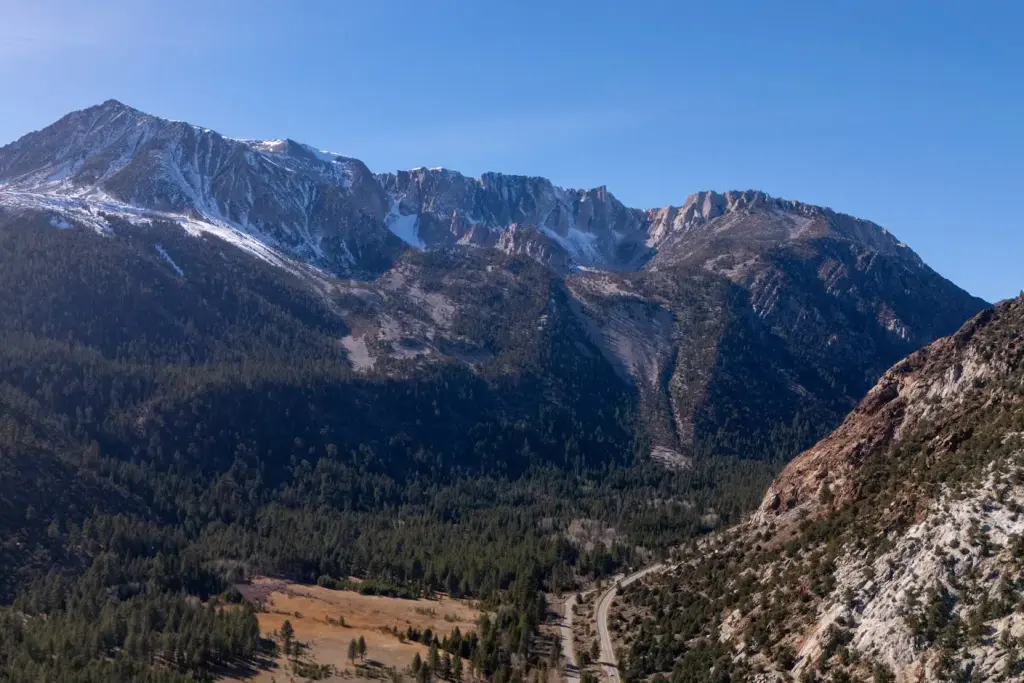
California's Sierra Nevada snowpack should be at its peak right now, but state surveyors just recorded something alarming: most of the California snowpack has already melted. According to the Los Angeles Times, this year's April 1 snow survey revealed drastically reduced snow levels across the mountain range after an extremely warm March. The disappearance of what should be California's natural water reservoir signals a deepening climate crisis that could affect water supplies for millions of residents.
Peter Gleick, a leading water scientist and co-founder of the Pacific Institute, told the LA Times that this year represents as clear an indication of climate change influence as anything we have seen. The California snowpack typically provides about a third of California's water supply, slowly releasing moisture into rivers and reservoirs through the dry summer months. Without that steady melt, the state faces potential water shortages during the hottest part of the year when demand peaks for both agriculture and residential use.
What Happened to California's Snowpack?
March brought unseasonably warm temperatures to the Sierra Nevada, causing rapid melting that normally would not happen until May or June. State surveyors found bare ground where there should be several feet of snow at higher elevations. Andrew Schwartz, director of UC Berkeley's Central Sierra Snow Laboratory, described this year as a perfect example of warm snow drought conditions that climate researchers have been warning about for decades.
The timing of this California snowpack collapse could not be worse for the state's water management system. California depends on that gradual spring and summer snowmelt to fill reservoirs and sustain agriculture through the dry season. When the California snowpack melts too early, the water runs off quickly rather than being stored naturally in the frozen pack. That early runoff can overwhelm reservoirs that must release water to prevent flooding, leaving less available for the summer when it is actually needed.
Fortunately, California had an average amount of rainfall this winter even though the California snowpack disappeared early. That liquid precipitation helped fill some reservoirs and recharge groundwater supplies. But the loss of the snow buffer leaves the state vulnerable if the coming months bring drought conditions or extreme heat waves that increase water demand across all sectors.
Why Gen Z Should Care About the Vanishing Snowpack
This disappearing California snowpack matters for anyone planning to live in California or anywhere affected by Western water supplies. The state produces a huge portion of America's fruits, vegetables, and nuts that show up in grocery stores nationwide. Water shortages hit agriculture first, driving up food prices that affect everyone at the supermarket. As we covered in our report on economic challenges facing Gen Z, young workers already face enough financial pressure without added costs from climate-driven food inflation.
Beyond agriculture, water shortages trigger restrictions on residential use, higher utility bills, and increased risk of wildfires. The last decade has shown how devastating California's fire seasons have become when landscapes dry out early and stay parched through fall. Communities across the state have faced evacuations, property destruction, and hazardous air quality that makes outdoor activities dangerous for weeks at a time.
The California snowpack disappearance also reveals how climate change moves faster than infrastructure adaptation. California spent billions building reservoirs, water treatment plants, and distribution networks designed for 20th-century weather patterns. Those investments cannot capture and store water that falls as rain instead of snow, or that melts and runs off before the dry season begins. The state's water system was built around the assumption that the Sierra Nevada would function as a natural freezer, preserving water through winter and spring.
Scientists expect these warm snow droughts affecting the California snowpack to become more common as global temperatures rise. The snow line elevation keeps climbing, meaning less total area where precipitation falls as frozen accumulation. What happened this March may look like an extreme outlier now, but researchers warn it could become the new normal within decades. By the time Gen Z reaches retirement age, the traditional Sierra snow season might be a thing of the past.
For Gen Z considering where to live or what career to pursue, water security is becoming a genuine factor in decision-making. States and regions with reliable water supplies may become more attractive destinations as the West faces chronic shortages. Industries from agriculture to tech to entertainment all depend on water availability, and disruptions create both risks and opportunities. Those who understand the changing landscape can position themselves advantageously as the climate continues to shift.
Comments 0
No comments yet. Be the first to share your thoughts!
Leave a comment
Share your thoughts. Your email will not be published.