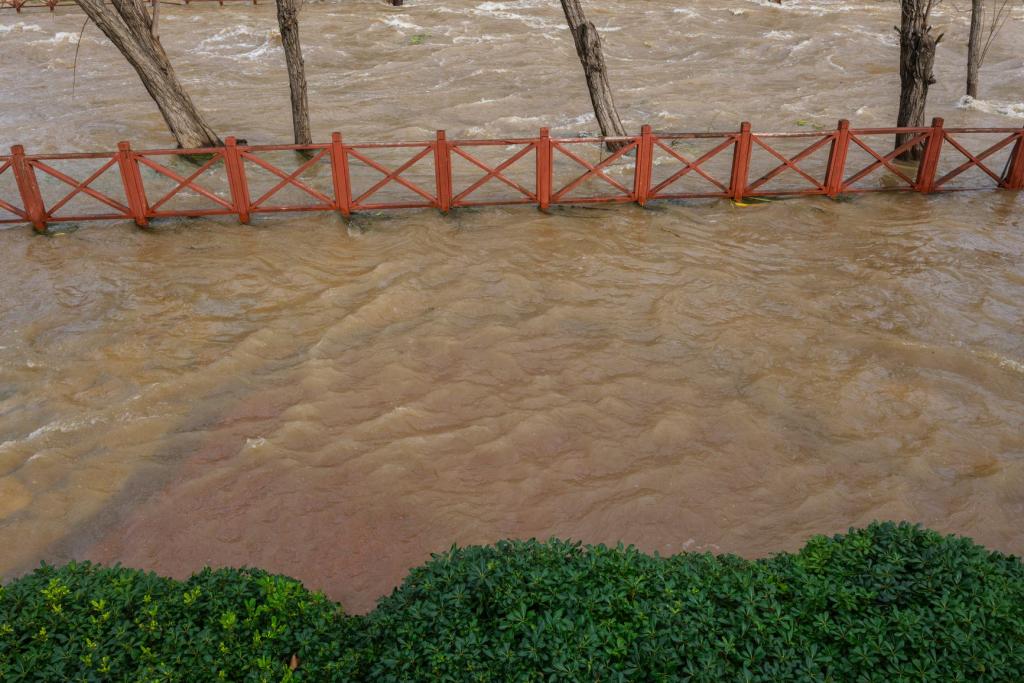
The Istanbul floods have turned Turkey's biggest city into a disaster zone this week, and officials are now calling them the worst the city has seen in more than eighty years. The death toll climbed to four on Friday after searchers pulled the body of a man in his sixties from beneath a bridge, according to the Associated Press. Several people are still missing, and the clock is ticking on the search.
What actually happened in Istanbul
The rain started hammering the city of about sixteen million people on Wednesday morning and kept getting heavier all day. By nightfall, streets had turned into brown rivers, and phone footage showed rows of parked cars being shoved along like toys. In the northern Sariyer district, one clip collected by the DHA news agency showed a whole line of vehicles swept into the torrent.
Istanbul governor Davut Gul described it as the highest level of precipitation in the city since records began in nineteen forty-two, according to AFP. Turkey's state-run Anadolu Agency added that the city got more rain in forty-eight hours than it normally sees across all of September and October combined. Let that sink in: two months of weather, dumped in two days.
The human toll and the missing
The first victims included a fourteen-year-old boy who was electrocuted after stepping into a puddle in the Balat area, AFP reported. Another man's body was found near a park in the Kagithane district on the European side. Then on Friday came the discovery under the Sariyer bridge, which pushed the count to four.
A worker named Faik Senturk also died in the Beykoz district after falling into a water-filled pit at a school construction site while trying to drain rainwater, according to Daily Sabah. Reports on the exact number of missing people differ slightly between outlets, which is common in the chaos after a flash flood. Governor Gul said seven injured people were still being treated in hospital while seven others had been sent home.
A city shut down
The disruption goes way beyond the casualties. Schools across Istanbul were ordered closed until Monday, and residents were told to stay home unless it was absolutely necessary. People living in basement apartments were advised to spend the night on higher floors, a warning that tells you how fast the water was rising.
The airports took a hit too. Forty-three flights bound for Istanbul Airport on the Black Sea side had to be diverted, along with three headed for Sabiha Gokcen on the Asian side, which also paused take-offs because of strong winds, according to Turkey's transport ministry as quoted by AFP. In Beykoz, a retaining wall around a three-storey apartment complex collapsed and the building was evacuated. Power and water cuts hit several neighbourhoods, and shopkeepers in Sariyer were seen trying to rescue stock from thick mud.
Turkey's disaster agency AFAD set up a crisis desk. By Wednesday night it had logged more than one thousand two hundred flooding incidents, fifteen landslides, and dozens of people stranded.
Officials tie it to climate change
Interior Minister Mustafa Ciftci visited the hardest-hit Ayazaga neighbourhood on Friday and did not sugarcoat it. He said the country was facing the biggest flood disaster since nineteen forty-two. He also reported nearly ten thousand damage reports and tens of thousands of personnel deployed on cleanup, and he said fighting climate change was a necessity rather than a choice, per the AP.
That framing matters. Scientists have long warned that a warmer atmosphere holds more moisture, which means storms can dump far more water in a short window. Istanbul sits on a hilly landscape cut by creeks, and many of those creeks run beneath dense neighbourhoods, so a sudden deluge has nowhere to go. If you want the bigger picture on how extreme weather is reshaping cities, check our climate emergency coverage.
What comes next
The danger is not over. The government has urged residents to follow official warnings, and heavy rain is expected to keep coming through the weekend. Waters have receded in most districts, so recovery crews are now shifting from rescue to clearing debris, pumping out basements, and checking damaged buildings.
For young people in coastal and hillside cities everywhere, Istanbul is a preview of a pattern: record rain, overwhelmed drainage, and infrastructure built for a climate that no longer exists. The Istanbul floods will likely spark tough questions about urban planning, creek management, and early warning systems in the days ahead. For now, the priority is finding the missing and getting a battered city back on its feet.
Comments 0
No comments yet. Be the first to share your thoughts!
Leave a comment
Share your thoughts. Your email will not be published.