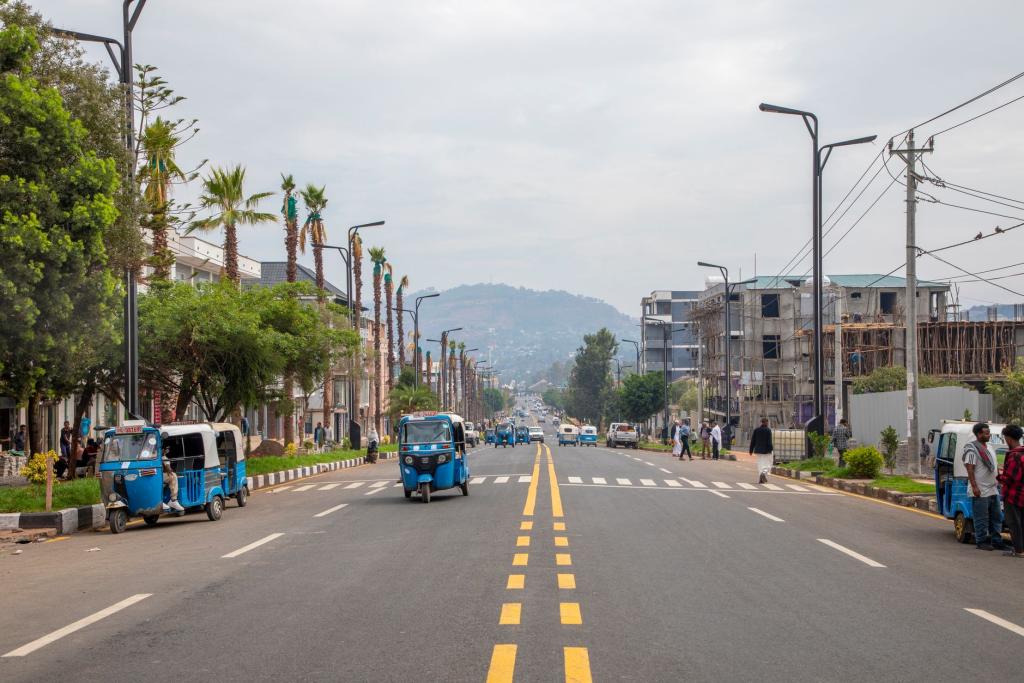
The Ethiopia Tigray caretaker government is now official. Prime Minister Abiy Ahmed named a temporary administration on Friday to run the northern Tigray region and prepare for an election within six months, just weeks after a rebel offensive reignited a war many hoped was over.
The announcement lands while Ethiopian tanks sit near the Eritrean border and diplomats worry the Horn of Africa is sliding toward a wider conflict. Here is what is going on, in plain terms.
What Abiy Just Announced
According to Reuters, the new administration will stay in office for six months and is meant to create a stable climate for free and transparent elections. It will also repair damaged infrastructure and help displaced people return home.
Abiy framed it as a way out of a long cycle of violence. In a statement on X, he said the people of Tigray "must break free from this cycle of conflict" to secure the peace that has eluded them for so long. A spokesperson for the Tigray People's Liberation Front, or TPLF, did not immediately respond to Reuters' request for comment.
The TPLF dominated Ethiopian politics for decades until Abiy took office in 2018. That history is a big reason this feud keeps flaring up.
How the War Restarted
The trigger came late last month. Reuters reports that the TPLF led an offensive against Abiy's government, reigniting a war that killed hundreds of thousands between 2020 and 2022. The Security Council Report research group says the TPLF teamed up with other armed groups in a coalition aiming to oust Abiy, and that the fighting is the most serious escalation in the area since that earlier war.
The government hit back hard. Ethiopian forces and allied fighters captured the regional capital Mekelle earlier this month, and the TPLF confirmed it had pulled out and moved its regional administration "temporarily" elsewhere. Government forces also retook the towns of Adwa and Adigrat without a fight, according to Al Jazeera.
On Thursday, Ethiopian forces and allied fighters said they had entered the historic city of Aksum. Passenger flights to Mekelle only resumed last Sunday after being suspended for days.
The Eritrea Problem
The scariest part is not inside Tigray. It is the border. Ethiopia accuses neighbouring Eritrea of backing the rebel alliance, and has accused Egypt and Sudan too. All three deny it, and Eritrea cut diplomatic ties with Ethiopia earlier this month.
Al Jazeera, citing the conflict-monitoring group ACLED, says Ethiopian tanks and heavy weapons were seen moving toward the Eritrean border on Tuesday. ACLED also reported Eritrean troops pulling back across the border through the town of Zalambessa. A pro-government militia claimed Eritrea suffered heavy losses, but Eritrea's information minister rejected that as false, and the claim could not be independently verified.
Both countries have been telling the UN Security Council that the other side started it. The council held closed consultations on the situation on Tuesday, according to Security Council Report.
Civilians Are Paying the Price
Human Rights Watch has received reports of civilians killed and injured by shelling in southern Tigray, according to the Associated Press. A resident of Zalambessa told AFP the town has been without power or water for a week, with troops from both countries stationed on either side.
The region was already fragile. Reuters notes that around seven hundred fifty thousand Tigrayans were still displaced as of February, according to the UN refugee agency, and the area also faces drought linked to El Nino. The earlier war pushed hundreds of thousands into famine.
The United States is trying to cool things down. Secretary of State Marco Rubio spoke with Abiy by phone on Wednesday and urged dialogue under the 2018 peace framework between the two countries, saying the region cannot tolerate more conflict. The European Union and the United Kingdom have made similar calls.
What to Watch Next
The Ethiopia Tigray caretaker government is a big bet for Abiy, because it asks Tigrayans to accept an interim authority chosen in Addis Ababa while the war is still unfinished. Critics may see it as a power grab, while supporters will call it the fastest route to stability. Reuters does not report any timetable beyond the six-month window, so details on who sits in the cabinet and how a vote would be run are still to come.
Three things matter now. First, whether a six-month caretaker setup can really lead to a credible vote while rebel fighters remain in the surrounding mountains. Second, whether Ethiopian forces stop at the border or push further. Third, whether the humanitarian situation gets worse before aid can scale up.
For young people far from the region, it can feel distant, but the Horn of Africa sits along key shipping routes and is home to some of the fastest-growing populations on Earth. What happens here shapes migration, food prices and regional security. Our world coverage will keep following it.
Comments 0
No comments yet. Be the first to share your thoughts!
Leave a comment
Share your thoughts. Your email will not be published.