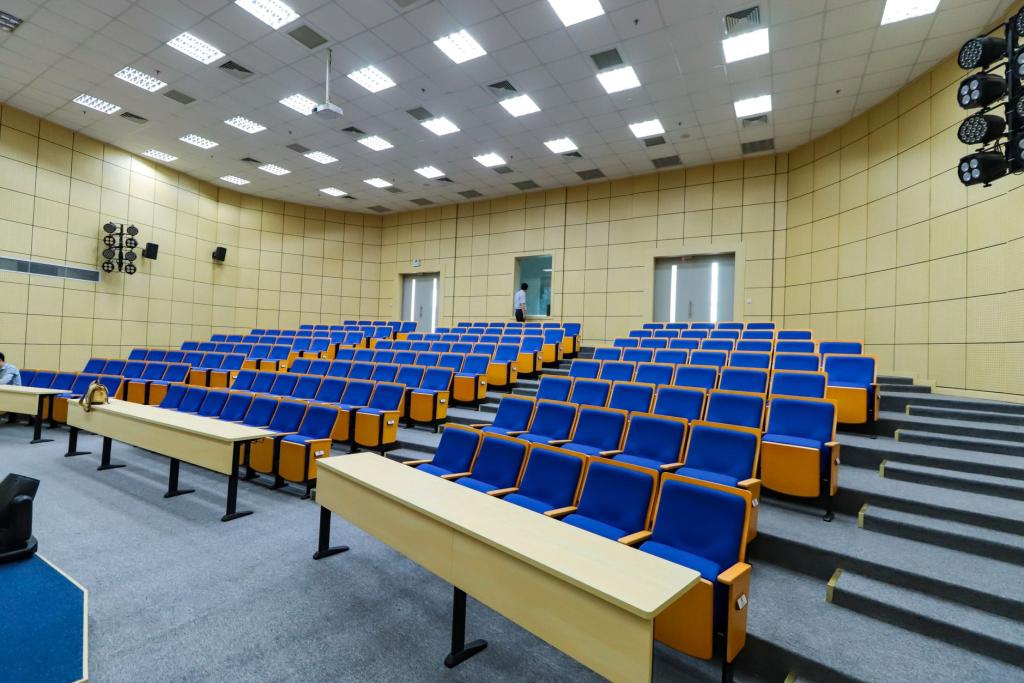
IPCC chair Jim Skea suspended the 65th plenary session of the Intergovernmental Panel on Climate Change in Addis Ababa on 16 October 2026, after the meeting ran past its scheduled close and many delegations from least developed countries and Small Island Developing States had already left for home.
The decision upholds the inclusivity of a process in which major decisions are taken by consensus, according to the IPCC. The session ended with two agenda items still open: the delivery dates for the Working Group contributions to the Seventh Assessment Report, and the panel's budget. Deliberations will resume at the earliest opportunity, the IPCC said in a statement, without naming a date for the reconvened talks.
A deadlock years in the making
Agreeing publication dates for the panel's next review of climate science was the main business of the 195-member gathering in the Ethiopian capital, but the dispute over the timetable has now lasted nearly three years. The continued disagreement could leave governments deciding the next phase of climate action without agreed answers on critical questions, including how reversible some warming might be, reported by Reuters.
The seventh assessment cycle formally began in July 2023 in Nairobi, and governments have been unable to settle the timetable at session after session since. According to a timeline compiled by the Build Back Better Initiative citing Carbon Brief, the dispute has now outlasted five plenaries in Istanbul, Sofia, Hangzhou, Lima and Bangkok. In January 2024 governments agreed that the cycle's synthesis report would appear in 2029, but delivery dates for the working-group reports that precede it were never ratified.
A coalition of 30 countries, including European, Latin American and small-island states, is alarmed at the prospect that the reports might not be ready in time, and wants the scientists' proposed 2028 delivery date kept, according to Reuters. India, Kenya, Saudi Arabia, Russia and China are pressing for more time so scientists from less-resourced countries can take a meaningful part in the work. The standoff has been building for months, and delegations from the poorest nations had already departed before the suspension was announced.
Why the stocktake deadline matters
Governments are due to measure progress toward the goals of the 2015 Paris Agreement at the UN climate talks that year, in a process known as the Global Stocktake. Published assessments give negotiators the agreed science they use to judge national pledges and press countries to cut emissions faster; without the working-group reports in hand, they would face the stocktake with older evidence.
The IPCC was established in 1988 by the UN Environment Programme and the World Meteorological Organization to give political leaders periodic assessments of climate science. Thousands of scientists contribute their time voluntarily, combing through published research each year to summarize what is known about the drivers of climate change, its impacts and future risks, and how adaptation and mitigation can reduce them, according to the panel.
Reactions and what happens next
Climate advocates criticized the outcome. Shreeshan Venkatesh, global policy lead at the Climate Action Network, called the suspension "deeply disappointing" and said parties had "enough time" to reach agreement, urging the session to reconvene as early as possible. The campaign group Demand Climate Justice said the impasse showed why climate science must be both timely and inclusive. "Scientific urgency and equity must go hand in hand," said Meena Raman, deputy director of the Third World Network, arguing that developing countries need the time and resources to engage with the literature and contribute meaningfully.
"The urgency of climate action has not changed," said Rachitaa Gupta, global coordinator of Demand Climate Justice, which also called for a rapid and equitable phase-out of fossil fuels. She added that equity and historical responsibility require developed countries to move first and fastest in cutting emissions while providing finance, technology and capacity-building support to developing countries.
The negotiations remain open, and the IPCC says deliberations will resume at the earliest opportunity; no new date has been announced. Delegates had gathered in Ethiopia to finalize the delivery plan for the seventh assessment cycle; that plan, and the budget that funds it, are still undecided.
Comments 0
No comments yet. Be the first to share your thoughts!
Leave a comment
Share your thoughts. Your email will not be published.