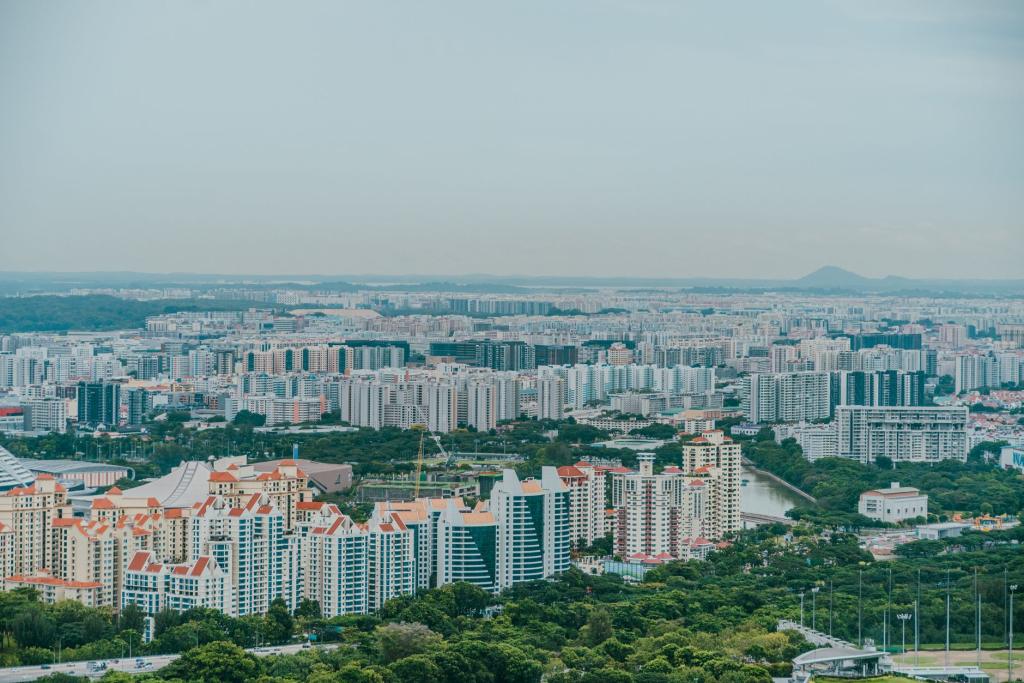
The Indonesia Wildfire Haze choking Southeast Asia this week is no ordinary smog season. Singapore logged its worst air reading of the year on Wednesday as smoke from months of burning forest and peatland on the islands of Borneo and Sumatra drifted across national borders, and the haze has already shut schools, disrupted flights and pushed respiratory illness counts sharply higher in several countries.
In western Singapore, the one-hour concentration of fine particulate matter reached a level the National Environment Agency places in its very high band, the first time readings entered that category during the current episode, according to Reuters reporting.
In Timor-Leste, authorities ordered all public, private and cooperative schools to suspend in-person classes from October 15 through October 17, after the national meteorology directorate warned of deteriorating air quality tied to smoke crossing from neighboring territory. The capital, Dili, sat under a yellowish haze, and families were told to keep children indoors and wear protective masks outside.
A Dry Season That Refuses to Quit
Indonesia's dry season usually runs from April to October, and this year it arrived with a punishing twist: a severe super-El Nino pattern that brought extra heat and dryness, helping fires spread faster and resist control. The last time the archipelago burned this badly was 2015, when a similarly strong El Nino fanned the flames. Environment group Auriga estimates more than six hundred thirty-seven thousand hectares were damaged from January to August this year, an area roughly nine times the size of Singapore, while deforestation monitor Nusantara Atlas puts the figure at nearly nine hundred thousand hectares.
What sets this episode apart globally is scale. Emissions from the Indonesian fires have ranked as the highest in the world for a month, accounting for almost half the planetary total over the past seven days, according to data from the European Union's Copernicus climate service and its Fire Emissions Watch portal. The ASEAN Meteorological Centre has warned of a high risk of severe transboundary haze affecting Borneo, keeping the whole region on edge.
The Human Toll Keeps Climbing
As the Indonesia Wildfire Haze lingers, hospitals are filling. The number of respiratory illness cases linked to the fires in seven Indonesian provinces surged to more than two hundred eighty thousand as of October 13, Health Ministry data showed, more than double the tally of roughly one hundred thirteen thousand reported just five weeks earlier in September. Doctors warn that tiny airborne particles can travel deep into the lungs and even enter the bloodstream, aggravating asthma, straining hearts and endangering children, older adults and anyone with existing conditions.
Schools have been forced to close across Indonesia, neighboring Timor-Leste and some Malaysian states, and nearly two thousand flights were affected between August 11 and October 12. Orange skies over Kalimantan reduced visibility to a few dozen meters in places, turning daylight eerie in the provincial capital of Palangkaraya.
Fighting Back With Sixty Thousand People
Jakarta insists it is throwing everything at the blazes. More than sixty thousand personnel have been deployed, with around fifty aircraft conducting water bombing and cloud seeding runs. The government has promised to hire more forest rangers, restore drained peatland ecosystems where fires can smolder underground for weeks, and crack down on anyone setting fires illegally: police say over two hundred twenty individuals and nine companies could face action for their alleged roles.
The official line meets a cooler reception abroad. Regional officials have questioned Jakarta's handling of the fires and its reluctance to accept outside help, while critics point to rapid deforestation for agriculture, most notably palm oil, which drains underground water and dries out soil, raising fire risk in the first place. Government restrictions on using fire to clear farmland have not eliminated the practice, a gap the critics say keeps turning dry seasons into crises.
Why It Matters Beyond the Smoke
For travelers, the haze is already a trip-ruiner: flight delays, canceled outdoor plans and health advisories across Singapore, Malaysia, the Philippines and Timor-Leste. For the region's students, repeated closures mean lost classroom time in an already disrupted school year. And for climate watchers, the episode is a reminder that fire emissions now rival the pollution output of entire countries, just as other good news, like the record drop in Amazon deforestation, shows progress is possible when enforcement is real.
The story also lands in a year of growing youth climate momentum. From young Canadians taking their government to court to youth delegates confronting European lawmakers, a generation is demanding action on exactly the conditions fueling fires like these. Whether Southeast Asia's worst haze season in a decade finally breaks the cycle depends on the rains, the rangers and, hardest of all, the political will to stop lighting the match.
Comments 0
No comments yet. Be the first to share your thoughts!
Leave a comment
Share your thoughts. Your email will not be published.