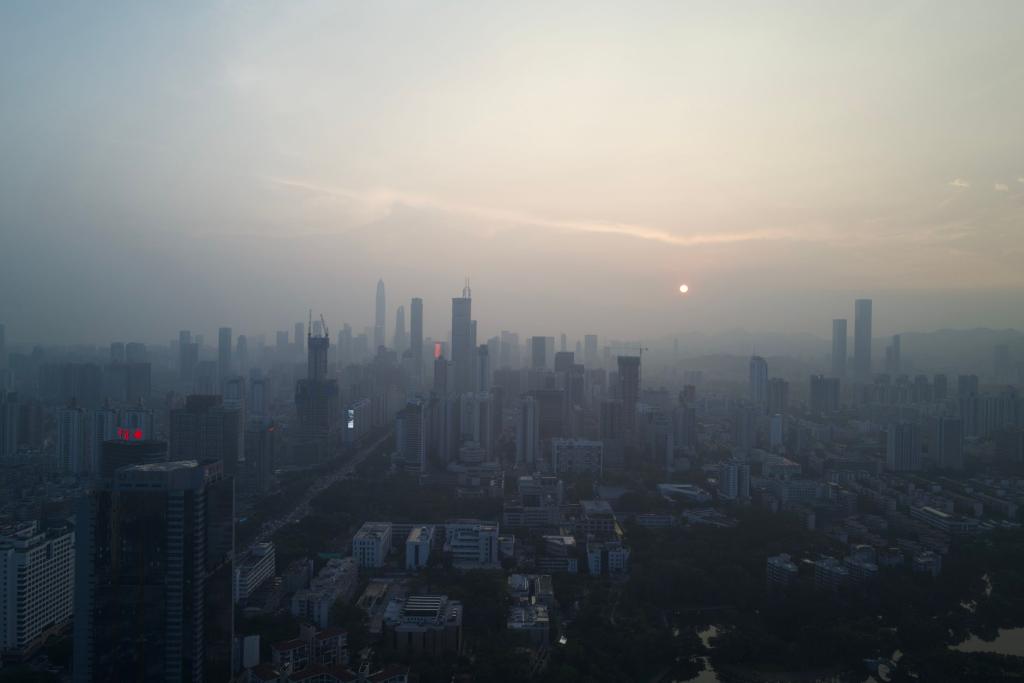
Smoke from Indonesia's forest and peatland fires is drifting across Southeast Asia, pushing air quality to hazardous levels far beyond the country's borders during the worst wildfire season in 11 years. The spread of Indonesia wildfire haze across the region has turned a seasonal emergency into a public health crisis, with more than 12 million people exposed and flight schedules disrupted in several provinces. Officials describe September as the decisive month, as a powerful El Niño event reaches its peak and the dry conditions behind the flames hit their most severe point.
The worst fire season in 11 years
Indonesia's Forestry Ministry reported about 202,000 hectares burned between January and July, nearly double the 107,465 hectares recorded through June. Reuters reported that July alone accounted for nearly 95,000 hectares, a sign of how quickly the situation deteriorated as the dry season tightened its grip. Local environmental groups estimate that roughly 600,000 more hectares burned in August, a figure that would push the season's toll far higher than the official tally. Satellite monitoring detected more than 9,000 fire hotspots in August, compared with 5,077 in August 2015, though the count remains below the record 17,302 hotspots recorded in October of that year.
Forestry Minister Raja Juli Antoni has warned that September will be the main test, saying the government's problems are not over because the peak of El Niño is arriving now. The minister described much of the devastation as man-made, pointing to fires deliberately set by individuals and companies to clear land for agriculture and other uses. Satellite analysis identified 42 company concessions at high wildfire risk, with fires covering about 11,000 hectares found inside concessions linked to 19 companies now under inspection, according to reporting from early September. Six forestry permit holders have already faced sanctions, and the ministry has said criminal investigations remain possible. Experts note that El Niño itself does not light the fires; it creates hotter and drier conditions that turn peatlands and vegetation into highly combustible fuel, allowing blazes to spread faster and making them harder to put out.
Smoke crosses national borders
The haze has crossed Indonesia's borders and now threatens millions of people in neighboring countries. Six monitoring stations in Malaysia's Sarawak state recorded hazardous Air Pollutant Index readings above 300, with Serian reaching 408 and Kuching reaching 407, according to the national news agency Bernama. Sarawak declared a state of emergency as air quality deteriorated, closed about 650 schools, and moved thousands of students to online classes. Singapore recently recorded unhealthy air quality for the first time since September 2019, while smoke traveled more than 800 kilometers to the Philippines, according to Yonhap News Agency. On September 1, monitoring stations across Metro Manila logged acutely unhealthy PM2.5 levels, including readings of 296 in Parañaque, 241 in Quezon City and 237 in Las Piñas. Philippine health authorities urged residents to wear N95 masks and limit time outdoors, and Quezon City suspended in-person classes in public schools.
In Pontianak, the capital of West Kalimantan on Borneo, thick haze has hung over the city since September 11, with visibility dropping below one kilometer. Flight operations have been disrupted for days, and firefighting aircraft have struggled to operate because the same smoke hampering flights also limits visibility for pilots trying to reach the flames. Indonesia has deployed 34 aircraft for water-bombing operations, expanded weather-modification flights to seed clouds for rain, and sent ground teams into fire zones across Borneo and Sumatra. Researchers caution that cloud seeding only works when suitable clouds are present and cannot manufacture rain from an atmosphere that is too dry, making prevention and peatland protection the more durable answer. Firefighters face a stubborn enemy in Borneo's peatlands, where fire can smolder underground for weeks and reignite long after surface flames appear extinguished.
A growing health emergency
The health toll is climbing fast. Indonesia's Health Ministry reported that about 12.5 million people have been exposed to wildfire smoke across seven provinces on Borneo and Sumatra. Cases of respiratory illness rose from 50,891 on September 1 to 113,336 by September 9, more than doubling in eight days, according to figures carried by Yonhap News Agency. More than 50,000 cases of acute respiratory infection were recorded across the seven provinces between July and August alone. The government is distributing one million masks and hundreds of oxygen concentrators to affected areas and sending medical personnel to clinics overwhelmed by smoke-related illness. Several countries, including Japan, the United States, Russia, Australia, Canada and Ukraine, are assisting the firefighting effort with aircraft and equipment.
Even wildlife is suffering: Reuters reported that rescuers treated an orangutan for hypoxia after it was found near a fire zone in West Kalimantan, one of seven orangutans pulled from the smoke. With El Niño's peak arriving this month, Indonesian officials are racing to keep existing fires from spreading, stop new ones from being set, and keep toxic smoke from drifting farther across the region. The coming weeks will test whether the expanded aerial response can hold the line, and whether the haze that has already darkened skies from Borneo to Manila can be pushed back before the rains arrive.
For more on how climate-driven disasters are straining infrastructure around the world, see GenZ NewZ's recent report on Cuba's nationwide grid collapse.
Comments 0
No comments yet. Be the first to share your thoughts!
Leave a comment
Share your thoughts. Your email will not be published.