Hurricane Simon spent the weekend crawling up Mexico's Pacific coast, and the slow pace is exactly what makes it so dangerous for Puerto Vallarta and the towns around it. The storm peaked as a Category four monster, then slipped to Category three while its eye stayed just offshore, according to the Associated Press.
A Storm That Will Not Hurry Up
Forecasters first expected landfall around midday on Sunday. Instead, hurricane hunter aircraft found Simon moving more slowly and tracking roughly fifteen kilometres off the coast of Jalisco state, which means the eye never fully crossed land. The National Hurricane Center said the storm's eastern inner core would still produce hurricane conditions along the shore.
Reuters reported that Simon strengthened to Category four on Saturday with destructive winds, storm surge and potentially deadly flooding in the forecast. By late Sunday, the hurricane centre listed maximum sustained winds near one hundred twenty miles per hour, moving northwest at about five miles per hour. That crawl keeps wind and rain hammering the same stretch of coast for days instead of hours.
Why the Crawl Matters
A fast storm blows through and leaves. A slow one parks. Hurricane Simon is drifting between the Sierra Madre mountains and the ocean, so rain piles onto steep slopes, which is how flooding and mudslides turn deadly. Hurricane specialist Philippe Papin said Cabo Corrientes, the westernmost tip of mainland Mexico, was the area most likely to take a direct hit, as CBC News relayed.
Papin also noted that many people live in communities just inland and uphill from the resorts, in housing that might not stand up to the storm. That is the part tourists rarely see. The glossy beachfront boarded up, but the real risk sits in the hills behind it.
Airports Shut, Flights Scrambled
Puerto Vallarta's international airport suspended operations as Simon approached, and travel trade reports say the closure now runs until early Tuesday morning local time, though that could change. Manzanillo's airport also shut. Several airlines, including American, Delta, Southwest and WestJet, were reported to have issued waivers so travellers can rebook without fees.
For Canadians, this lands hard. Puerto Vallarta is a go-to winter escape, and WestJet flies there heavily. If a trip is booked this week, check directly with the airline before heading to the airport, because reopening an airport does not mean schedules snap back instantly.
The El Nino Factor
Agence France-Presse noted that Simon is part of a busy Pacific hurricane season, where the powerful El Nino warming phase is weakening wind shear and letting storms gain strength. By contrast, El Nino has helped keep the Atlantic season relatively quiet. Warm sea surface temperatures near thirty-one to thirty-two degrees Celsius could also slow any weakening, the hurricane centre said.
Simon formed on October seventh and is the eleventh hurricane of the season, according to Wikipedia's running tally. For a deeper look at how a warming planet is loading the dice, check out our climate coverage.
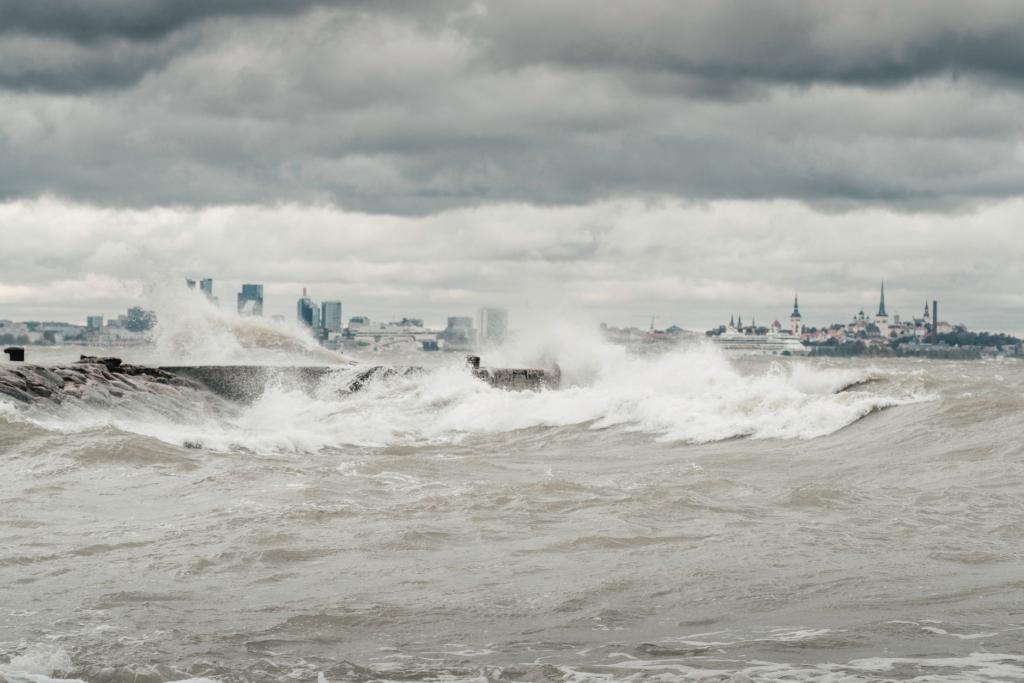
The human side of Hurricane Simon is easy to miss in the forecast maps. Businesses in Puerto Vallarta boarded up windows and entrances on Saturday, while the National Guard patrolled the boardwalk and tourists snapped photos of waves slamming the seawall. For residents, the wait is the hardest part, because a stalled storm means one long night of wind followed by another.
Storm surge is the other threat. The hurricane centre warned of a dangerous surge near and east of wherever the centre approaches land, with large and destructive waves on top. Swells from the system are expected to reach the southwest and west-central coast for several more days, so beaches can stay hazardous even after the rain stops, and rip currents are a real danger for anyone tempted to swim.
What Happens Next
The hurricane centre expects Simon to keep drifting northwest into early Tuesday, then swing northeast and move inland across west-central Mexico around midweek, where it should weaken quickly over the mountains. Forecast tracks have already changed once, so treat every timeline as soft.
Authorities placed dozens of municipalities in Jalisco and Colima under the highest alert level, and Mexico's navy closed ports along the coast. If you have friends or family there, the safest move is simple: follow local civil protection instructions, stay off flooded roads, and expect rough surf and rip currents long after the wind dies down.
The takeaway is that landfall is not the only thing that counts. A storm that hugs the coast can do plenty of damage without ever officially arriving, and Hurricane Simon is proving it. Full reporting is available from the Associated Press and CBC News.
Comments 0
No comments yet. Be the first to share your thoughts!
Leave a comment
Share your thoughts. Your email will not be published.