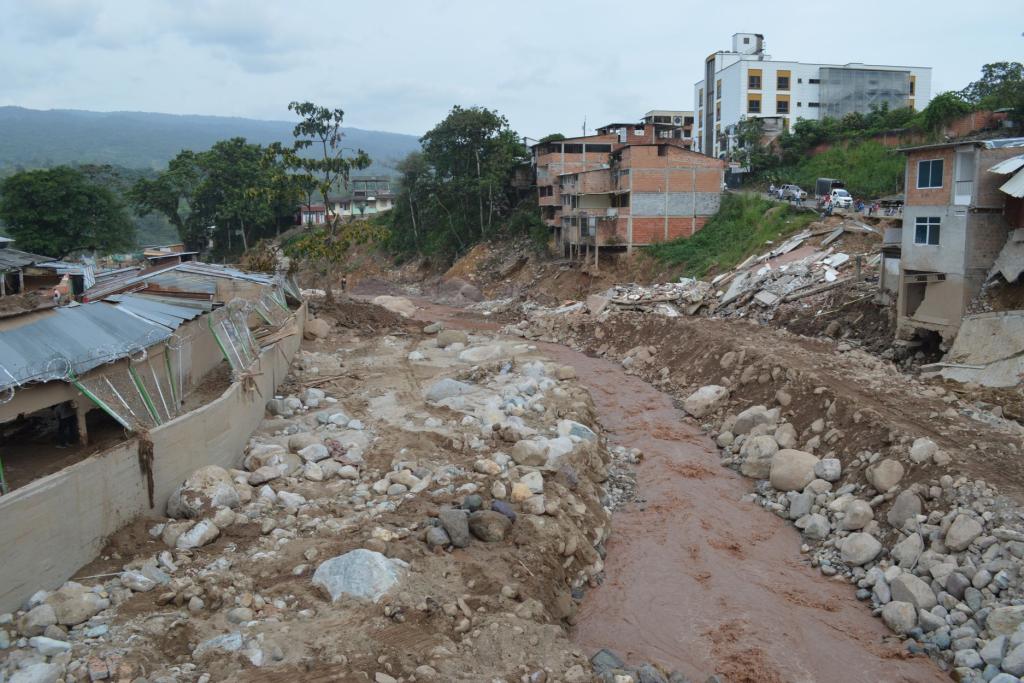
September 27 marks two years since Hurricane Helene tore through the mountains of western North Carolina. The storm killed one hundred eight people in the state, flattened entire towns along rivers that had never flooded like that, and caused roughly sixty billion dollars in damage in North Carolina alone. Families in places like Bat Cave are still paying mortgages on houses they cannot safely reach, because the house survived and the bridge did not.
Two years later, the story of Helene recovery funding is a story of shortfalls. According to a Citizen Times analysis of North Carolina's own accounting, Washington has approved, allocated, or awarded about nine point seven billion dollars toward recovery. That is sixteen percent of the estimated damage. Read that number against history: federal aid ultimately covered about seventy-eight percent of the damage from Hurricane Sandy, and about seventy-three percent from Hurricanes Katrina and Maria. Helene was the costliest disaster in the United States in 2024 and the costliest natural disaster in North Carolina's history. The federal response has not come close to matching it.
The gap between the press release and the pavement
FEMA will tell you the money is moving. A September 14 press release says the agency has committed more than seven point five billion dollars for Helene and other recent disaster recovery, spread across more than three thousand projects, with over one hundred sixty-two million announced in the previous month alone. FEMA Administrator Cameron Hamilton said in the release that the work continues and that western North Carolina will not be forgotten.
Committed is not the same as delivered, and allocated is not the same as spent. Residents along Middle Fork Road in Gerton start their mornings an hour early to crawl through construction zones and flaggers just to get their kids to school. A listening session this summer in Hickory Nut Gorge brought residents of Bat Cave and Gerton together with state lawmakers, and the message, according to the Citizen Times, was not a request for sympathy. It was a demand for accountability.
The mountains are doing the work anyway
While the federal dollars trickle, everyone else is picking up the slack. The Republican-led General Assembly has appropriated a few billion dollars across five spending packages. Governor Josh Stein signed the fiscal year 2026-27 budget this summer with seven hundred million dollars more for Helene recovery, and on September 25 he announced another sixty-five million in grants for local governments and volunteer fire departments. "Local governments and volunteer fire departments have been essential to rebuilding our communities since Hurricane Helene," Stein said, thanking lawmakers for the investment.
Private philanthropy is in the mix too. The Center for Disaster Philanthropy just announced four million dollars in final-round grants to eighteen local organizations in western North Carolina, bringing its Truist Foundation-backed fund to nearly nineteen million dollars for housing, mental health, and environmental restoration. That is real money doing real work, and it is a rounding error next to the need.
Here is the part that should embarrass everyone involved in the federal response. As Sarah Roth, interim executive director of the Buncombe County Long-Term Recovery Group, told WLOS, the moment is getting harder, not easier: outside attention and donations are fading, while more survivors who tried to rebuild on their own are realizing they need help. "It's still not enough," Roth said, adding that the recovery has been considered "not just a physical storm, but an economic storm." When the need is growing and the cameras are leaving, a federal government that has funded that meager share of the damage after twenty-four months is not a government keeping its promises.
Disasters should not be handled on vibes
The comparison to Sandy and Katrina matters because it shows this is a choice. Past administrations and Congresses decided that communities flattened by catastrophe would get the bulk of their recovery paid for. This time, the share is a sixth. Nobody has explained why the mountains of western North Carolina are worth less per dollar of damage than the Jersey Shore or the Gulf Coast. Nobody has tried.
The people of Appalachia have a long memory for being told to wait their turn. They are still driving to school past collapsed roads, still living in temporary housing, still rebuilding with a mix of state money, charity, and stubbornness. They deserve a federal response that matches the scale of what happened to them, not a press release every few months announcing another increment. That is long enough to learn the lesson. The only question left is whether Washington will deliver the Helene recovery funding it keeps promising.
Related: Young African Climate Activists Are Rewriting the Rules, Youth Climate Lawsuit Survives Ottawa's Bid to Kill It, and Nor'easter Storm Hacks: 12 Ways to Ride Out the Weekend Blackout.
Sources: an opinion analysis in the Citizen Times reported the federal funding figure; FEMA's September 14 press release described its committed funding and project count; and WLOS coverage detailed the new state recovery funding signed by Governor Stein.
Comments 0
No comments yet. Be the first to share your thoughts!
Leave a comment
Share your thoughts. Your email will not be published.