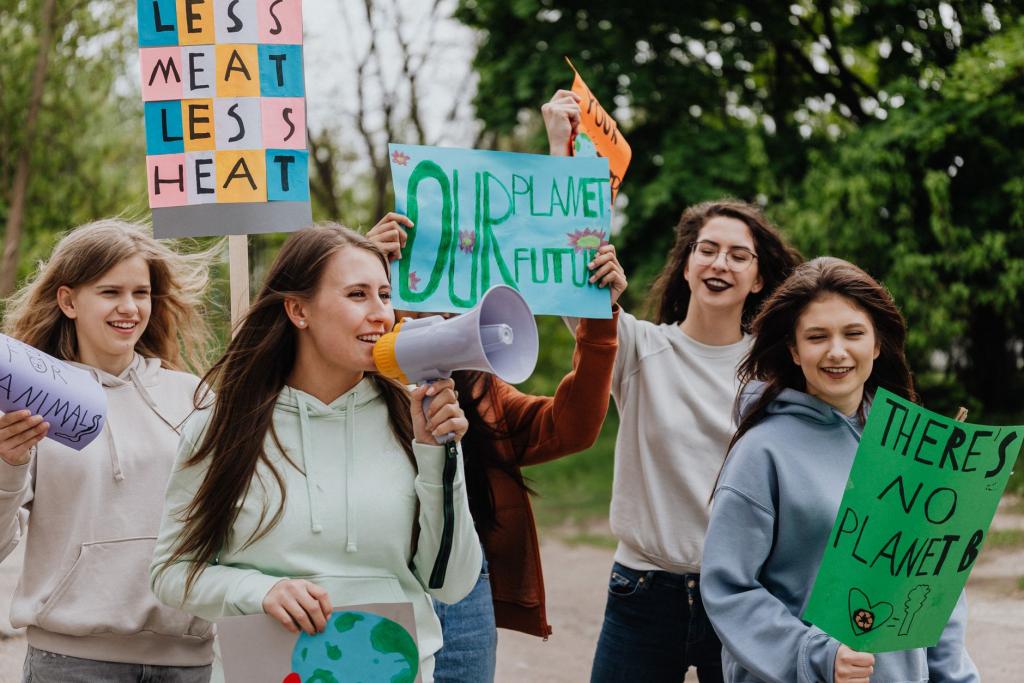
Three Canadian teenagers sued the federal government this summer with a question most adults dodge: is Ottawa actually following its own climate laws? This week, a judge decided that question deserves a real answer. The Federal Court rejected the government's attempt to get their youth climate lawsuit dismissed before trial, ruling that the case will proceed to a full hearing on its merits. It is an early test of whether Canada's climate accountability law means anything in practice.
The ruling, announced by Ecojustice this week, ended a weeks-long effort by Ottawa to shut the case down early. In August, the government asked the court to strike the lawsuit entirely. The court found no legal or factual basis to do so, and ordered the government to submit any evidence it plans to use within a month and a half, keeping the schedule toward a full hearing on track.
What the youth climate lawsuit is actually about
The case was launched in June by Sophia Mathur, Marie Maltais and Shirley Barnea, young applicants backed by two national organizations: Environmental Defence and the Canadian Association of Physicians for the Environment. Ecojustice is providing the legal team.
At its core, the youth climate lawsuit argues that Ottawa abandoned or weakened key measures in Canada's 2030 Emissions Reductions Plan without updating the plan, as required by the Canadian Net-Zero Emissions Accountability Act. That law, known as the CNZEAA, is supposed to make the government's climate targets legally binding rather than aspirational.
The applicants want a court order forcing the environment minister to bring the plan back into compliance so it can deliver the 2030 target: cutting emissions by forty to forty-five per cent below two thousand five levels. The government, for its part, filed its motion to strike on August 14, trying to keep the case from ever reaching a hearing. According to the court's decision, figuring out what the minister owes under the accountability law requires a full interpretive analysis, which is exactly what a hearing is for.
Maltais said in a statement released by Ecojustice that the ruling brings the applicants closer to the heart of their case: finding out whether the federal government is following its own climate laws. "Young people deserve to know whether the promises made about our future are being backed by action," she said.
Why the ruling matters beyond one courtroom
Young people have increasingly turned to the courts when climate promises stall. This generation grew up watching emissions targets slide year after year, and litigation has become one of its sharper tools. We have reported on similar fights, including young African climate activists rewriting the rules of climate organizing, and the record renewable milestones Australia's grid hit this month. The Canadian case fits the pattern: teenagers using the legal system to hold adults to their own written commitments.
The applicants have tied their case to the summer Canadians just survived. Barnea said the season showed what climate change looks like when it hits home, naming catastrophic wildfires, floods, extreme heat and smoke-filled skies. Dr. Samantha Green, president of the Canadian Association of Physicians for the Environment, said doctors are already seeing the damage in their patients: children struggling to breathe through wildfire smoke, older patients whose hearts and kidneys cannot cope with extreme heat, surgeries postponed by evacuations. "In medicine, delaying treatment can cost lives," she said in the release. "Delaying action on climate change is no different."
The political criticism has been just as blunt. Julia Levin, associate director of national climate at Environmental Defence, said the Carney government's lack of a climate plan is not just irresponsible but against the law, and that Canada is now more than twenty years behind on its international climate commitments. Ecojustice lawyer Fraser Thomson said Ottawa tried to get the case thrown out rather than defend its climate plans in open court. "The time for delay is over," he said.
The applicants are not asking the judge to write Canada's climate policy. As Environmental Defence explained, the case simply demands that the government keep a credible, up-to-date plan capable of meeting the target it committed to under federal law. No hearing date has been set, but with the strike motion defeated and evidence now due from Ottawa, the case is moving forward. For teenagers who started with a simple question, that is a meaningful answer.
Comments 0
No comments yet. Be the first to share your thoughts!
Leave a comment
Share your thoughts. Your email will not be published.