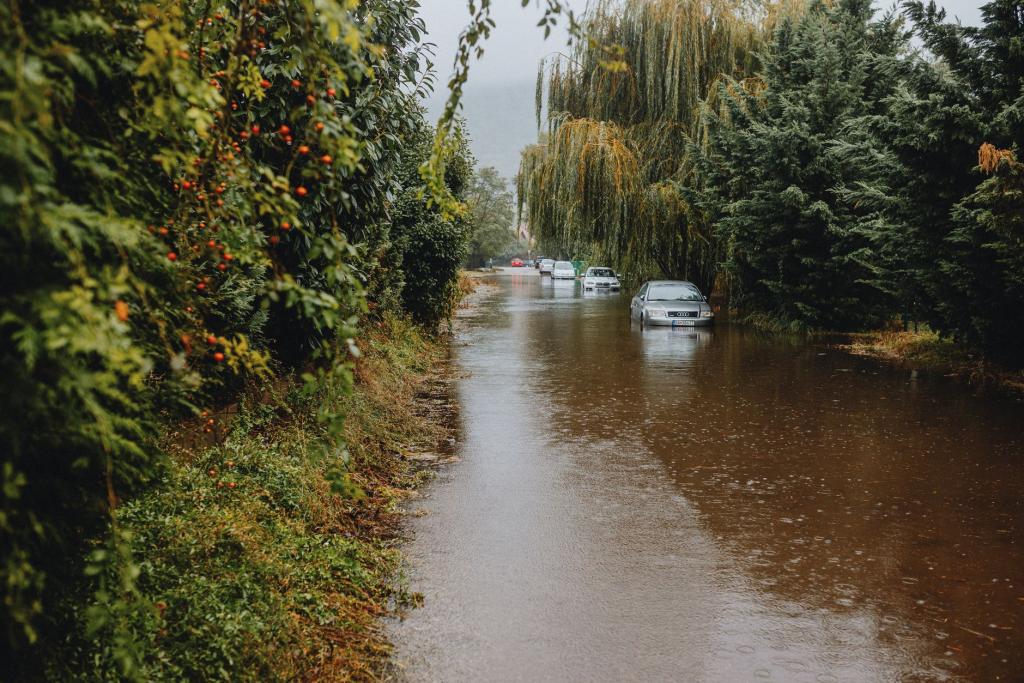
The year's first big nor'easter arrived early, and it is already causing trouble. Below are the nor'easter storm hacks worth doing before Saturday night. The storm has parked itself off the Mid-Atlantic coast, where forecasters expect it to keep battering the shoreline through Saturday night, with gusts topping sixty miles per hour in the hardest-hit spots, according to AccuWeather senior meteorologist Dan Pydynkowski in an interview with the New York Post. Streets in Surf City, New Jersey flooded on Friday night, Manasquan issued a voluntary evacuation warning, tides are forecast to run four feet above normal in places, and New York City could see a few inches of rain, according to the mayor's office. The National Weather Service has placed coastal flood warnings from Connecticut through Long Island, New York City, and the Atlantic coasts of New Jersey and Delaware. This is the storm-prep cheat sheet for the weekend: the nor'easter storm hacks that actually matter once the lights go out.
Do the power and water prep first
Charge everything before the grid gives you a reason to regret it. Eversource, New England's biggest energy company, tells customers to fully charge cell phones, keep a battery-powered backup handy for the computer, and fill the car's gas tank before the storm, in guidance published by the Patriot Ledger. Fill the bathtub too, not for bathing, for flushing. The general rule is a gallon of water per person each day, and a full tub keeps toilets working when the water system loses pressure.
Your freezer deserves a head start. The CDC recommends freezing bottles of water and gel packs ahead of time, grouping frozen foods together so they hold the cold longer, and making sure the refrigerator is already cold before the storm, in guidance republished by EIN Presswire. Drop the temperature settings a notch while you still have power. That extra cold buys a few more hours of safe food once the outage starts. Find your cooler now, while the lights are on, because hunting for it in the dark is nobody's idea of fun.
When the lights go out, leave the fridge alone
This is the hardest rule to follow and the most important to obey, and it tops every list of nor'easter storm hacks for a reason. Keep the refrigerator and freezer doors shut. Every peek lets cold air escape, and the CDC says a closed refrigerator keeps food safe for a few hours while a full freezer holds safe temperature for about forty-eight. Resist the urge to stand in front of the open fridge deciding on lunch. If you packed a cooler with ice before the storm, as weather.com recommends, you now have a backup fridge that costs nothing to run. Stock it with the stuff you will actually reach for. For what to fill it with, our pantry-hack guide to shelf-stable staples still applies.
Unplug the expensive electronics before the outage, not after. The Murray Sentinel's storm guide warns that power surges when the grid comes back online can fry computers and TVs, and unplugging them is the simplest protection. A surge protector helps during the storm, but nothing beats being fully disconnected when the power snaps back on.
Keep your phone alive and the signal up
Here is the hack most emergency lists miss. Put your router on a battery pack. A tech writer at Goosed.ie who lived through a blackout found that keeping the router powered meant the whole house kept Wi-Fi, with phone power banks handling the rest. The writer adds an honest caveat: it only works when the wider network is still up. If the storm knocks out the lines beyond your street, your router is just broadcasting to nowhere.
Beyond that, the basics from Massachusetts officials apply everywhere. Governor Maura Healey urged residents to bring in or secure loose objects in the yard, fully charge every device, and make sure emergency alerts are turned on in preparedness guidance issued ahead of the storm. MEMA Director Dawn Brantley asked people to check on neighbors, especially older adults and anyone with a disability, before the storm and throughout the weekend. A landline phone often works when the power does not, according to weather.com, so keep the landline plugged in if you have it. Storms like this are arriving earlier and angrier than they used to, which is exactly what the young climate activists we covered this week keep warning about.
Protect the house from wind and water
Mayor Mamdani's office told New Yorkers near flood-prone coasts to move cars to higher ground and tie down anything the wind can pick up, the New York Post reported. The town of Newtown, Connecticut added the unglamorous stuff that saves real money: clear the storm drains on your property, bring in anything loose, and officials warn against driving through standing water or past barricades. If your property floods easily, watch for rising water and be ready to act on it.
Medication is the supply people forget until the storm starts. Newtown's emergency office says to review your prescriptions and essentials now, keep a solid supply on hand, and set up a check-in plan with family outside the area. A week's worth of medication in the emergency kit is the standard weather.com lists, and it is easier to pack than to replace mid-blackout. Generator owners should remember the non-negotiable rules: generators should never run indoors or in the garage, need to cool before refueling, and take appliances plugged directly into them.
This storm is a warm-up for a wilder fall. Briggs and Stratton Energy Solutions notes that early July thunderstorms, which broke up a nationwide heat dome, caused more than a million power outages across the country, and an August derecho with ninety-nine mile per hour winds cut power to more than three hundred thousand customers in Indiana, with some outages stretching fourteen days. Knock on your neighbor's door before the rain starts. That costs nothing.
Comments 0
No comments yet. Be the first to share your thoughts!
Leave a comment
Share your thoughts. Your email will not be published.