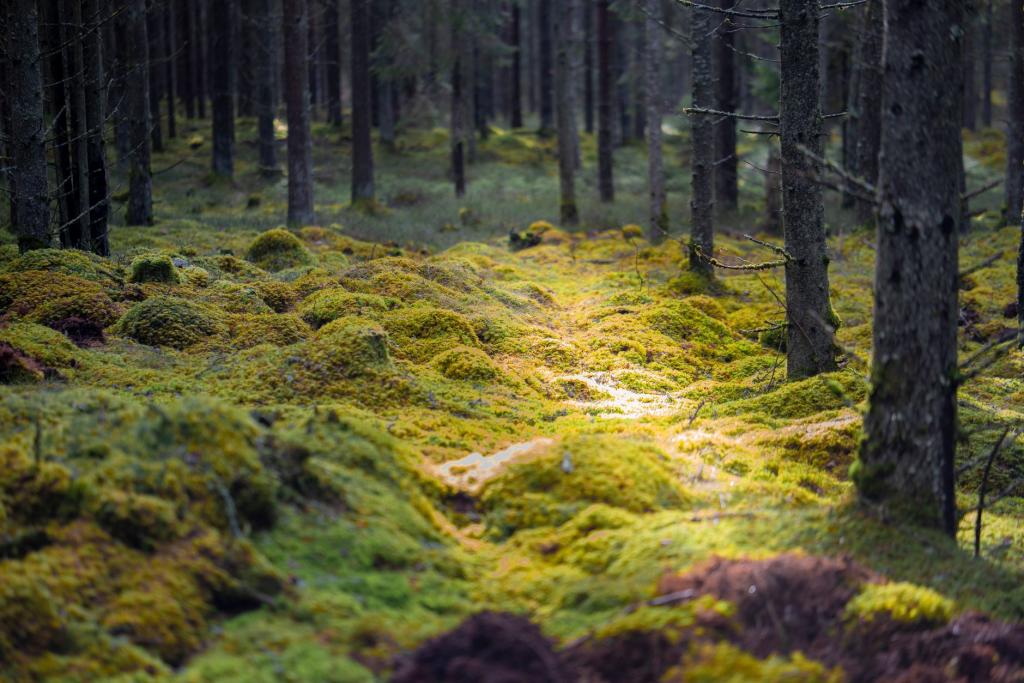
Forest soil methane uptake is climbing in Germany, and scientists did not see it coming. A long study of woodland ground found that the soil is pulling more of a potent greenhouse gas out of the air each year, even as the weather warms and dries.
The work comes from the University of Göttingen and the Baden-Württemberg Forest Research Institute, known as FVA. According to ScienceDaily, methane absorption rose by an average of three percent a year over periods of up to twenty-four years.
What the researchers actually measured
The team looked at thirteen forest sites in southwestern Germany, using records from the institute's soil gas monitoring program. Researchers describe it as one of the most extensive datasets on forest soil methane in the world. Not every site behaved the same way, and uptake varied a lot from place to place, but a clear overall pattern showed up across the sample.
According to SciTechDaily, the analysis was published in the journal Agricultural and Forest Meteorology and shows that under certain climate conditions, which may become more common, soils can absorb even more methane than before.
Why drier ground eats more methane
The explanation comes down to physics and microbes. Methane is broken down in soil by microorganisms that use it as an energy source. When soil dries out, more of its pores fill with air instead of water, so atmospheric methane can seep deeper and reach more of those microbes.
Warmer temperatures may also speed up that microbial activity a little. Put together, a hotter and drier stretch of weather can turn forest ground into a stronger methane sink, at least in the conditions this study covered. That runs against earlier predictions that climate change would weaken the effect.
Why methane matters so much
Methane is a powerful greenhouse gas that traps far more heat than carbon dioxide over a short window, though it does not stay in the air as long. A Japanese study published this week in Progress in Earth and Planetary Science noted that atmospheric methane has a lifetime of roughly twelve years, which is why cutting it is seen as a fast lever for climate action.
That same Japanese team found drier ridge and mid-slope soils in a Kyoto forest took up about twice as much methane as the damp valley bottom, backing up the idea that dryness helps. You can browse more on this beat in our climate coverage.
What this means for climate models
Climate models often assume that forest soil methane uptake will shrink as the planet heats up, because warming was expected to disturb soil life. The German record points the other way, which means some projections may be too gloomy about this particular sink. Modelers will likely need to add soil moisture and rainfall patterns more carefully.
The Japanese paper, published through Springer Nature, tracked three years of measurements from 2023 to 2025 and tied the pattern to soil moisture and gas diffusion. Two different countries and two different methods landing on the same story makes the idea harder to dismiss.
Still, scientists stress that a three percent yearly gain is modest next to the amount of methane people release from farms, landfills and fossil fuel operations. Forest soil methane uptake is a helpful buffer, not a substitute for cutting leaks and livestock emissions at the source.
Think of the soil as an unpaid worker that keeps showing up. Protecting old woodland, avoiding compaction from heavy machinery and keeping drainage natural are all ways land managers can avoid wrecking that sink, and the research gives them another reason to do it.
Before anyone celebrates
This is not a free pass. The findings come from temperate forests in one region of Germany, and soils elsewhere, especially wetlands and thawing northern ground, can behave very differently and even release methane. Extreme drought can also kill trees and damage the forests that store carbon.
The practical takeaway is that forests are doing more quiet climate work than models assumed, which is one more reason to protect them. Scientists say forest soil methane uptake should be tracked closely, because the sink could change if conditions swing past what these woods have seen so far.
For a generation inheriting the climate bill, a small piece of good news hiding in the dirt is worth noticing. It does not replace cutting emissions, but it shows how much we still have to learn about the ground beneath our feet, and how much healthy forests may be worth keeping around.
Comments 0
No comments yet. Be the first to share your thoughts!
Leave a comment
Share your thoughts. Your email will not be published.