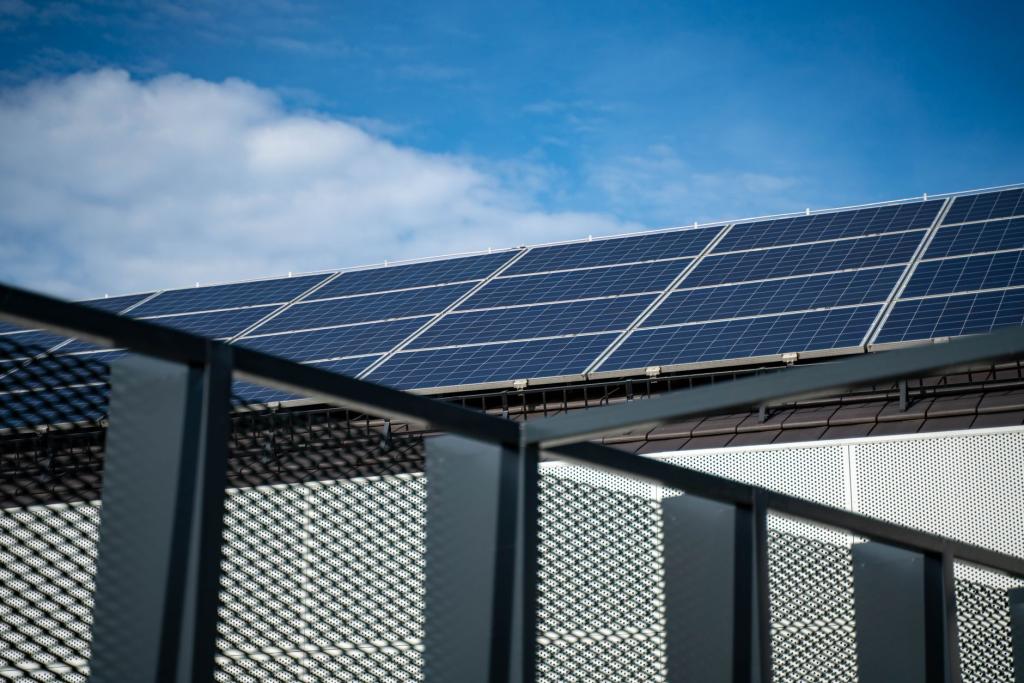
On Saturday, September nineteen, sunshine and wind supplied eighty point four percent of the electricity used on Australia's National Electricity Market, the highest share of renewables ever recorded on the country's main grid, and a new Australia renewable energy record. For roughly half an hour around midday, panels on ordinary suburban rooftops alone generated more than half of all the power being used across eastern Australia. The milestone, reported by TBS News from The Guardian's coverage, arrived just as a very different kind of energy news was breaking in the country's politics.
The National Electricity Market covers Australia's eastern states, South Australia and the Australian Capital Territory. According to the Australian Energy Market Operator, the record was measured over several hours centered on midday. The contributions broke down as fifty-two percent rooftop solar, sixteen percent grid-scale solar, eleven percent wind and a small amount of hydro. Coal made up close to one fifth of the mix, with a sliver of gas generation filling the gap. Wholesale electricity prices averaged just over twenty seven dollars per megawatt hour across the day, which is the kind of number that gets noticed in a cost of living crunch.
What broke the record
Energy Minister Chris Bowen said in a social media post that the milestone meant "more clean, cheap, sovereign energy powering our homes and businesses than ever before", and added that more such milestones were coming as the government's energy transition picked up pace. The framing is deliberate. Australia has been arguing for years about whether its famously coal-heavy grid can actually run on renewables, and a Saturday in September just produced the strongest counterargument yet, even if only for a few hours.
The conditions were almost designed for it. Dr Dylan McConnell, an energy systems researcher at the University of New South Wales, told The Guardian it was "record season" for renewables, with clear, sunny skies arriving at the same time as soft demand for heating and cooling. He said this is also the time of year when new generation built over the previous twelve months starts showing up in the numbers, and that these records "are probably not going to last very long", predicting they could fall again within weeks.
The day after the record, the grid set another one. The market operator confirmed a new minimum operational demand record of nine thousand four hundred twenty-two megawatts at midday, with rooftop solar supplying sixty-four point three percent of all demand at that moment. Battery charging and pumped hydro storage absorbed some of the surplus, helping keep the system balanced. The pair of records, reported by RenewEconomy, show a grid whose behavior is changing faster than the rules written to run it.
Why it won't last, and what the number leaves out
The Australia renewable energy record is real, but it is also a snapshot of ideal weather, and it hides the messy parts of running a renewable grid. Renewables exceeded demand at times on Saturday, and some of that surplus was stored while a large share was simply curtailed, switched off because of system security rules, network bottlenecks and prices too low to justify sending it anywhere. RenewEconomy reported that more than eight gigawatts of available wind and solar output was constrained on the day, switched off because of system security rules, network bottlenecks and prices too low to justify sending it anywhere. Without those constraints, and with enough grid services to handle them, available renewables would have reached one hundred six percent of demand. The country is building renewable capacity faster than the storage, wires and market rules needed to absorb it.
McConnell made the same point from the emissions side. A record afternoon is not the main game, he said, because what matters for the climate is the annual total and how much coal gets burned across the year. For context, the average renewable share in the year to June was forty-four percent, according to the market operator. Australia's national goal is eighty-two percent renewables by the end of the decade, and new analysis cited by trade press warns that investment in new capacity is still running short of what the target needs.
The politics are moving the other way
The timing made for an awkward contrast. Four days after the record, the Coalition unveiled a proposed energy platform that would scrap legislated net zero targets, revoke offshore wind zones, remove the New Vehicle Efficiency Standards and the Safeguard Mechanism, and lift the ban on nuclear power, according to pv magazine Australia. Clean energy developers would have to prove local community support and earn what the party called "social licence" before projects could access public finance backing.
The announcement landed while world leaders gathered for the UN's climate summit in New York, where Australia and Türkiye were recognized for their work preparing the next round of COP climate talks. Farmers for Climate Action responded with anger. Spokesperson Peter Holding said in a statement that farmers know more pollution means more fires and droughts, and that higher insurance costs would follow, calling the axing of pollution rules a failure to look after farming communities.
That tension is the real backdrop to the Australia renewable energy record. The physics of the grid keep producing milestones that suggest the transition is working, while the politics keep threatening to slow it down. Records will keep falling this spring, McConnell predicted, regardless of what happens in parliament. Whether the country can turn record afternoons into an eighty-two percent renewable grid is a question of building enough storage and passing the policies to back it up, and those two things are running on very different timelines.
For readers following the bigger climate picture, this spring has been full of extremes, from the super El Niño temperature record broken months early to Kilauea's new vents changing the volcano's own rules, and young African climate activists rewriting the rules of who leads the fight. Australia's grid just added its own entry to the list: proof, for one Saturday at least, that the sun and wind can carry a continent.
Comments 0
No comments yet. Be the first to share your thoughts!
Leave a comment
Share your thoughts. Your email will not be published.