The United Nations human rights chief warned on September 24 that the Yemen civilian crisis is deepening fast. Volker Türk said renewed fighting between Saudi-backed Yemeni government forces and Iran-backed Houthi rebels is taking what he called an appalling toll on ordinary people, with his office documenting the killings of thirty-two civilians, including fifteen children and three women, since the start of August. "Civilians are now bearing the brunt of this latest upsurge in fighting," Türk said in a statement, according to Reuters.
What the UN documented
Türk's office put the total toll higher. In the same statement, the UN said ground fighting, artillery fire and airstrikes, including drone and missile strikes, had killed or wounded at least one hundred twenty-five civilians since the violence surged again in August. Both sides claim hundreds have been killed in the past weeks, but neither has provided details, and the UN figure is probably an undercount because access to the worst-hit areas is restricted and unsafe.
Some of the worst incidents hit places meant to be safe. The UN documented three attacks by Ansar Allah, the formal name for the Houthi movement, on sites for internally displaced people since August. Those attacks, on the seventh of August, the seventh of September and the ninth of September in the Marib region, caused dozens of casualties and killed five children. Health facilities have also come under direct attack: the World Health Organization said an ambulance driver and a medic were killed in Lahj on September 18, and some clinics had been struck without attribution of blame, Devdiscourse reported.
Where the fighting has flared
The latest fighting marks a sharp break in a war that had been largely frozen since a two thousand twenty-two truce. Violence has flared along old front lines in recent weeks, including around Taiz, as Houthi fighters swept south along the Red Sea coast toward the Bab el-Mandab Strait, a chokepoint for global shipping. Saudi Arabia intercepted six Houthi missiles this week as the fronts escalated, and government military media said army units had helped repel infiltration attempts toward Wadi Al-Maqatirah and the road linking Taiz and Aden.
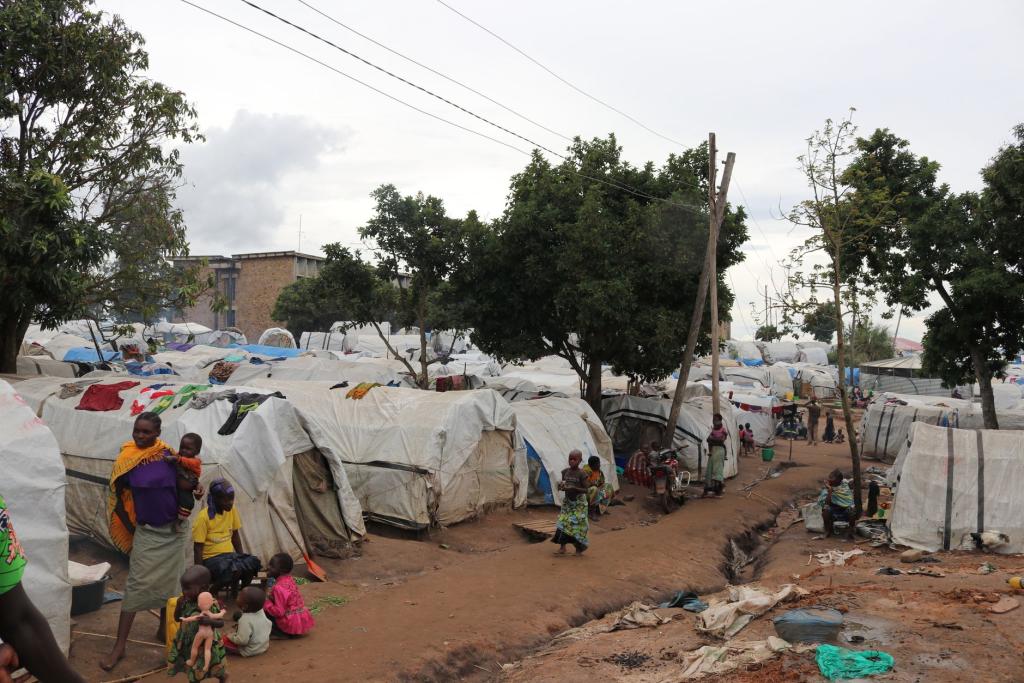
The result is a fast-growing displacement emergency. The UN refugee agency said on Tuesday that more than one hundred thirty thousand people had fled their homes in Yemen since the beginning of September, with Taiz accounting for more than sixty percent of the displacement. Some of those fleeing have crossed the Red Sea toward East Africa, and a UN briefing warned the number of newly displaced people could pass two hundred thirty thousand in the coming weeks if the fighting continues. The displacement has overwhelmed already fragile aid sites and cut some of them off entirely.
The UN is also pressing the Houthis over their treatment of its own people. Türk's office repeated its demand for the immediate release of seventy-three UN staff members, as well as others, arbitrarily detained by Ansar Allah, some for years. "Their ongoing detention, wholly outside the protection of the law, is intolerable and unacceptable," UN Human Rights spokesperson Jeremy Laurence said in the statement, adding that his office feared even further for their safety amid the renewed fighting.
Houthi leaders rejected the findings. Houthi spokesperson Mohammed Abdulsalam said the UN human rights office was no longer impartial, accusing it of ignoring what he described as Saudi bombardment in Yemen that had targeted public facilities. He cited what he said was the targeting of inmates at a correctional facility in al-Hazm in al-Jawf province, as well as homes and schools in several areas, and said the UN allegations were false and unsupported by evidence.
The Yemen civilian crisis shows no sign of easing, and the aid pipeline is thinning. UN Emergency Relief Coordinator Tom Fletcher allocated nine million dollars from the Central Emergency Relief Fund this month, but agencies say the money is stretched across a crisis that keeps widening. The Yemen conflict has been linked before to the wider regional confrontation, and this flareup is growing out of the US-Israeli war on Iran. If you want the backstory on the Houthis' recent attacks beyond Yemen's borders, read our piece on the Houthi missile attack on Riyadh. For more on how the world is reckoning with wartime atrocities this month, see the UK's first-ever Rwanda genocide charges and South Sudan's first election.
Comments 0
No comments yet. Be the first to share your thoughts!
Leave a comment
Share your thoughts. Your email will not be published.