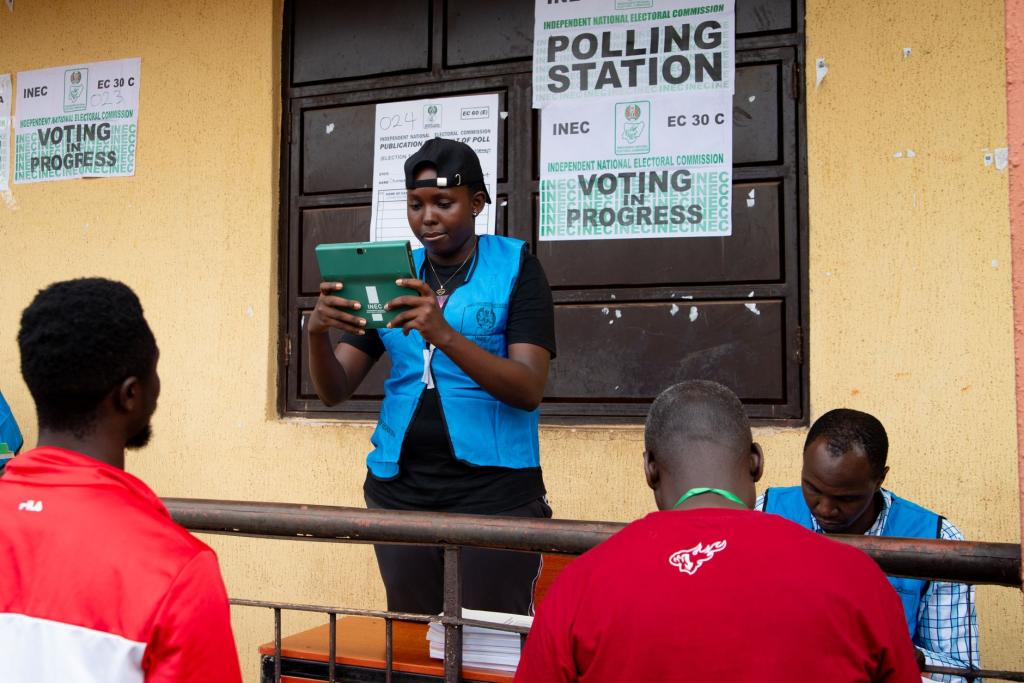
The South Sudan first election, set for December 22, will be the first national vote in the country's fifteen-year history. The country has never held one before. Most of the people old enough to vote have spent their entire adult lives under transitional governments, ceasefires that did not hold, and promises that elections were coming soon.
The announcement came on Tuesday, when President Salva Kiir dissolved the Revitalized Transitional Government of National Unity and appointed a caretaker administration to run the country until a new government forms after the vote. "It is today, on this date of 22 September 2026, that I want to announce to you that the Government will be dissolved today, as per the legal requirements governing the conduct of every election," Kiir said at an expanded presidency meeting in Juba, according to The Radio Community.
The decree removed all five vice presidents, dissolved the national legislature and state governments, and left the judiciary and security institutions in place, according to reporting by the Catholic Radio Network. Kiir stays in office during the election period, under amendments to the National Elections Act that Parliament passed a day earlier. Those amendments removed the old legal requirement that the country finish writing a permanent constitution and complete a national census before voting.
What the old guard gave up, and what it kept
The power-sharing deal that is now dissolved came from the 2018 peace agreement that ended five years of civil war. That war killed about four hundred thousand people and displaced millions, according to the United Nations. Elections were first expected in 2022. They were postponed twice.
On paper, dissolving a unity government to clear the way for voting is how transitions are supposed to work. The Inter-Party Dialogue that political leaders agreed to join is meant to settle outstanding electoral questions before December. Kiir framed the move as honoring an agreement from December 2025, when political leaders pledged not to extend the transition again.
But the details tilt the other way. The suspended first vice president, Riek Machar, is on trial on charges including treason and crimes against humanity. The main opposition alliance has rejected the legal changes that made this election possible. And analysts warned that the changes hand Kiir unfettered control of the state during the campaign season, according to the St. Kitts Gazette. A vote where the incumbent writes the rules, keeps the presidency, and watches his chief rival stand trial is an election in form. Whether it becomes one in fact is the open question.
The voters who have never seen a ballot
South Sudan is one of the youngest countries on earth in both senses of the word. A huge share of its population was born after the 2011 independence referendum. These voters have no memory of choosing a government. Their entire political education came from war, displacement camps, and a peace process that kept getting extended.
That puts unusual weight on the South Sudan first election, where the legitimacy of whatever government emerges will rest on people voting for the first time in their lives, in a country without a completed constitution, without a census, and with voter registration still getting underway. Amnesty International called Kiir's decree a "decisive step" toward the country's first-ever elections, but its regional director for East and Southern Africa, Tigere Chagutah, urged authorities to "ensure that a conducive environment exists for people to vote and stand in elections," according to the St. Kitts Gazette.
The conditions around the South Sudan first election matter more than the ceremony of it. Young voters in South Sudan are being asked to trust an electoral process run by the same administration that has governed through the entire transition. If the process looks fair, it could anchor the peace deal in something no decree can provide: a generation that chose its leaders. If it looks staged, the lesson a generation learns is that voting changes nothing, and that lesson lasts longer than any single presidency.
Similar firsts elsewhere show how much weight these moments carry. When Rwanda's genocide trials finally reached a British court this month, as reported in our coverage of the UK filing its first-ever Rwanda genocide charges, the point was that accountability delayed is not accountability denied. South Sudan's election tests the same idea from the other side: keeping a promise only counts if the keeping is real. And when young people organize, as the young African climate activists rewriting the rules of their own movement have shown, they tend to notice the difference between participation and performance.
December 22 will arrive whether the conditions are ready or not. The open question for voters in the South Sudan first election is whether the vote they cast will count for as much as the risk they take to cast it.
Comments 0
No comments yet. Be the first to share your thoughts!
Leave a comment
Share your thoughts. Your email will not be published.