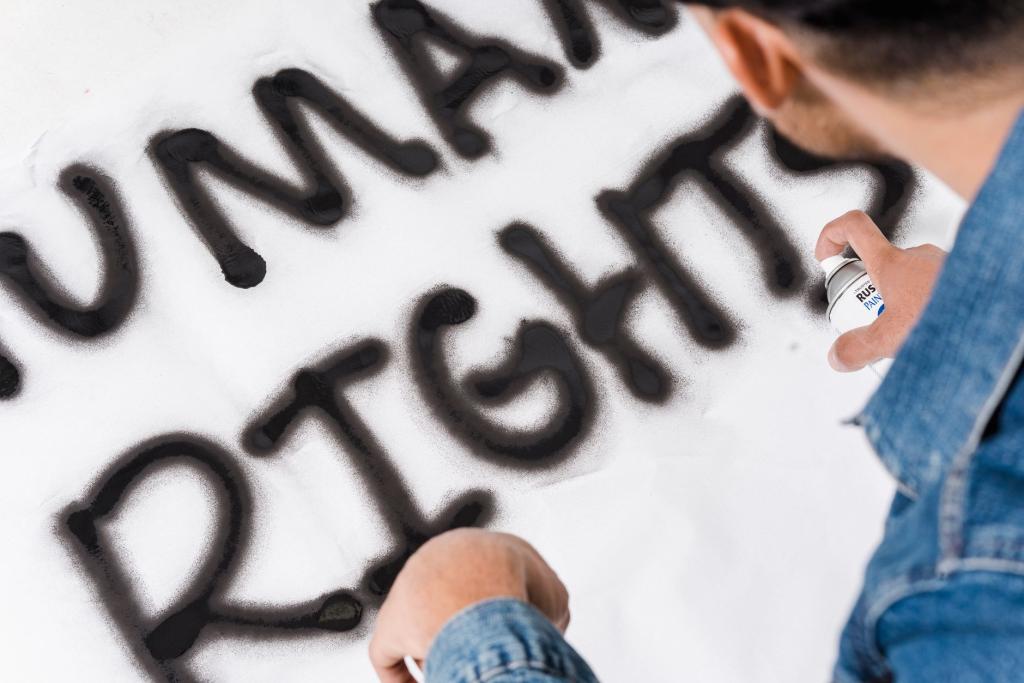
Dolores Huerta, the Farmworker Champion who helped build one of the most enduring labor movements in American history, died Wednesday at her home in Bakersfield, California, according to a statement from her family, as reported by The Banner. She was 96, and a family spokesperson said the cause was cancer. Huerta spent more than six decades organizing farmworkers, and her rallying cry, "Sí, se puede" — "Yes, we can" — traveled far beyond the fields where she began.
Huerta co-founded the National Farm Workers Association in 1962 alongside César Chávez, an organization that later became the United Farm Workers. She helped lead the Delano grape strike that began in 1965 and the national boycott of table grapes that followed, campaigns that forced growers to the bargaining table and helped win California's landmark farm labor bargaining law a decade later. The Farmworker Champion did not stop at the fields: she campaigned for women's rights, immigrant rights and voting access, and she kept marching and speaking out well into her nineties.
From a classroom to the fields
Huerta was born in Dawson, a small mining town in New Mexico, and raised mostly in Stockton, California, by her mother, who ran a hotel and welcomed struggling workers. She trained as a teacher, but she left the classroom after seeing children arrive hungry and shoeless, the sons and daughters of people who harvested the food the state ate. That experience pushed her into community organizing with the Community Service Organization, where she met Chávez and began registering voters and pressing local officials on behalf of farmworker families.
The grape strike became her defining fight. When Filipino farmworkers walked out of vineyards around Delano in the autumn of 1965, Huerta and Chávez joined them, and the strike stretched on for years. Huerta directed the national boycott, traveling from city to city to persuade shoppers to leave grapes on the shelf. The pressure worked: growers signed union contracts, and in 1975 California gave farmworkers the right to bargain collectively, the first law of its kind in the country. It was a victory built on door-knocking, picket lines and kitchen-table persuasion, and Huerta was its chief strategist.
A voice far beyond the fields
As the years passed, Huerta's agenda widened. She lobbied for the Affordable Care Act, mentored women running for office, and showed up for causes ranging from LGBTQ rights to immigrant protection. In 2002 she founded the Dolores Huerta Foundation, which trains young organizers in California's Central Valley. A decade later, President Barack Obama awarded her the Presidential Medal of Freedom, the nation's highest civilian honor. In a tribute after her death, Obama called Huerta "a hero of mine" and said she enabled thousands of migrant laborers working in brutal conditions to make their voices heard and demand something better.
Tributes poured in from across the country. California Governor Gavin Newsom said Huerta "represented the best of us." The union she helped found said the greatest possible tribute to her life was for the work of organizing to continue, and that wherever farmworkers gather to organize, her presence could be counted on. On Wednesday evening, a vigil was held in downtown Los Angeles beneath a mural of Huerta painted earlier this year, where activists and politicians gathered with candles and roses, according to local television coverage.
A legacy with hard truths
Huerta's final year also showed a different kind of courage. Earlier this year, she spoke publicly about sexual abuse she said she experienced within her own movement, including from Chávez, a disclosure that complicated the story of an icon she had helped create. She attended the unveiling of the Los Angeles mural around a recent birthday, and the artist who painted it said she was happy with how she was depicted and that her legacy would always be hope. For many admirers, the disclosure did not diminish her record; it underlined the independence that had marked her whole career.
Why does this matter now? The people Huerta organized for still harvest much of the country's food, often for low pay in punishing heat, and the fights over heat protections, overtime rules and bargaining rights continue in statehouses today. Her foundation keeps training organizers, and her slogan keeps appearing on picket signs and protest banners. The Farmworker Champion is gone, but the movement she built — and the insistence that ordinary people can change the terms of their work — remains very much alive. Readers who want to see how worker protections are evolving today can follow new paid leave rules for workers in Pennsylvania and how workers are relocating to escape high city rents.
Comments 0
No comments yet. Be the first to share your thoughts!
Leave a comment
Share your thoughts. Your email will not be published.