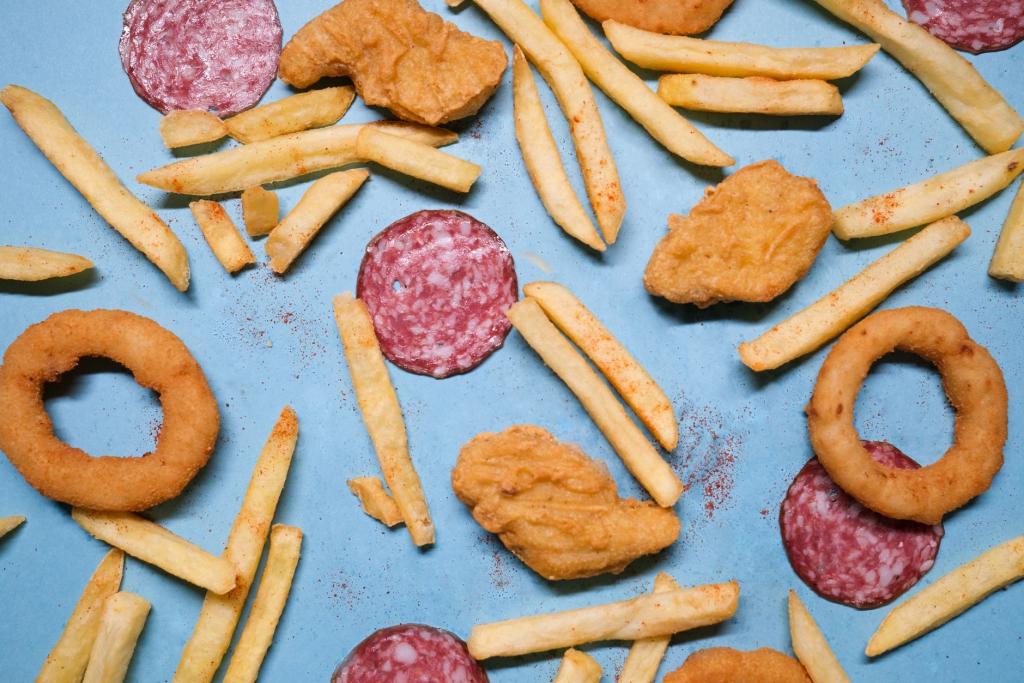
The company behind Spam and Skippy peanut butter just placed a massive bet on chicken. Hormel Foods announced Wednesday that it will buy Brakebush Brothers, a family-owned chicken processor, for about one point zero six billion dollars. The Hormel Brakebush acquisition is one of the biggest food deals of the year, and it makes clear where Hormel thinks American appetites are headed.
Brakebush is not a name you would recognize from the grocery aisle, which is kind of the point. Based in Westfield, Wisconsin, the company has spent more than a century supplying chicken to restaurants, schools, hospitals, and cafeterias. It makes fully cooked, par-fried, and raw portioned chicken products, the kind of stuff that shows up in sandwiches and catering trays rather than on retail shelves. According to Hormel, Brakebush generated about one point two billion dollars in sales over the last year, and it operates five manufacturing plants plus a pair of research and development labs.
The deal behind the Hormel Brakebush acquisition
Details came out in a flurry of coverage on Wednesday morning. The Wall Street Journal reported that Hormel agreed to pay about one point zero five five billion dollars for the family-owned processor, and that Hormel plans to fund the purchase with cash on hand and new debt while keeping its strong investment-grade credit ratings intact. The transaction is expected to close during Hormel's fiscal first quarter, which wraps up in late January.
Jeff Ettinger, Hormel's interim chief executive, said in the company announcement reported by Food Business News that Brakebush has earned its customers' trust over more than a century through innovation, quality, and strong relationships. John Ghingo, Hormel's president and chief executive-elect, added that chicken has been one of the most attractive growth categories in protein, according to the same report. The Hormel Brakebush acquisition, in their telling, is about grabbing a bigger slice of a protein category that keeps growing.
Why chicken, and why now
The timing is easy to read. A month before this deal, Hormel reported a drop in quarterly sales and trimmed its full-year guidance, hurt by lower prices for raw turkey and private-label snack nuts. The consumer environment has been rough for packaged food giants. But Hormel's foodservice business, the division that sells to restaurants and institutions, was the bright spot, posting modest sales growth. Foodservice now generates roughly a third of Hormel's sales and about half of its profits, according to Food Business News.
Chicken is the thread tying the whole thing together. Reuters reported Wednesday that consumers have increasingly sought protein-rich meal options as demand for chicken grows alongside the focus on health and wellness. It is the same protein obsession that has restaurant chains bulking up their menus with high-protein items, a trend this site covered with McDonald's GLP-1 friendly menu push earlier this week. The Hormel Brakebush acquisition fits the pattern: big food companies are chasing the bird.
There is also a simple math story here. Brakebush's established direct sales team and deep ties to foodservice operators give Hormel something it has been building for years, a stronger foothold with the restaurants and caterers who buy chicken by the case. The Wall Street Journal noted that Hormel expects the purchase to expand its position in value-added chicken and bolster its foodservice platform through better operator relationships and an expanded sales organization.
What the Hormel Brakebush acquisition means for your plate
If you mostly cook at home, you will probably never notice a Brakebush logo. The chicken nuggets on your cafeteria tray, the tenders in the campus dining hall, the portioned chicken in your favorite chain's sandwich, that is where this deal lives. Hormel is betting that demand for prepared chicken keeps climbing as people keep prioritizing protein, and it is willing to pay more than a billion dollars to be closer to the source.
Investors seemed to agree, at least for a day. Barron's reported that Hormel shares edged higher on Wednesday after the announcement. The company also told investors it expects the acquisition to start lifting core profitability a couple of years out, per the Wall Street Journal. For a company that has spent the past year struggling with turkey prices and snack nuts, chicken looks like a much tastier problem to have.
Chicken has quietly become the center of the American dinner plate, and the Hormel Brakebush acquisition is the latest billion-dollar proof of it. Spam got Hormel through the twentieth century. Chicken might be the thing that carries it through the twenty-first. We will be watching what happens when the deal closes early next year, and whether the protein boom has more room to run, including how fast-food chains keep remixing the menu and what happens to everything else in your fridge along the way.
Comments 0
No comments yet. Be the first to share your thoughts!
Leave a comment
Share your thoughts. Your email will not be published.