Halloween candy prices have reached a record high, and Americans are about to spend more on the holiday than ever before. The National Retail Federation forecasts that Halloween spending will top thirteen and a half billion dollars this year — up from last year’s record — with the average celebrant spending about one hundred fifteen dollars. An estimated 96 percent of trick-or-treat fans will buy a projected four point one billion dollars’ worth of candy, up from the three point five billion forecast two years ago. But spending more money does not mean getting more candy.
FinanceBuzz reports that candy prices soared 78 percent between 2020 and 2025 — more than triple the overall inflation rate — with a 100-piece bag of assorted Halloween candy jumping from about nine dollars and nineteen cents in 2020 to sixteen dollars and thirty-nine cents last year. The main culprit is cocoa: wholesale prices rose nearly fivefold in that span, from roughly two thousand two hundred dollars per metric ton to more than ten thousand at their peak. Prices have since fallen sharply, ranging from just over three thousand one hundred to more than seven thousand five hundred dollars a ton over the past year. Candy prices, however, have yet to follow, according to Inc.’s reporting on the NRF’s 2026 Halloween survey.
Why Halloween candy prices are soaring
The latest shock came from West Africa this summer. Ghana’s cocoa regulator told Reuters that national production will fall by at least 16 percent in the 2026/27 season, which began in September, citing possible El Niño conditions, heavy rainfall, swollen shoot disease, ageing farms, and illegal gold mining encroaching on farmland. Output in Ivory Coast — the world’s largest producer — is expected to drop by more than 10 percent. Traders reacted instantly: New York cocoa gained 7.4 percent in a single session to about five thousand four hundred ninety dollars a metric ton, food industry publication FoodDrinkLife reported. The timing stings because cocoa had spent early 2026 falling, sliding to roughly three thousand three hundred dollars a ton from a record above twelve thousand in late 2024. Retail chocolate, though, was made from beans bought at the peak — so shelf prices still carry the most expensive cocoa on record.
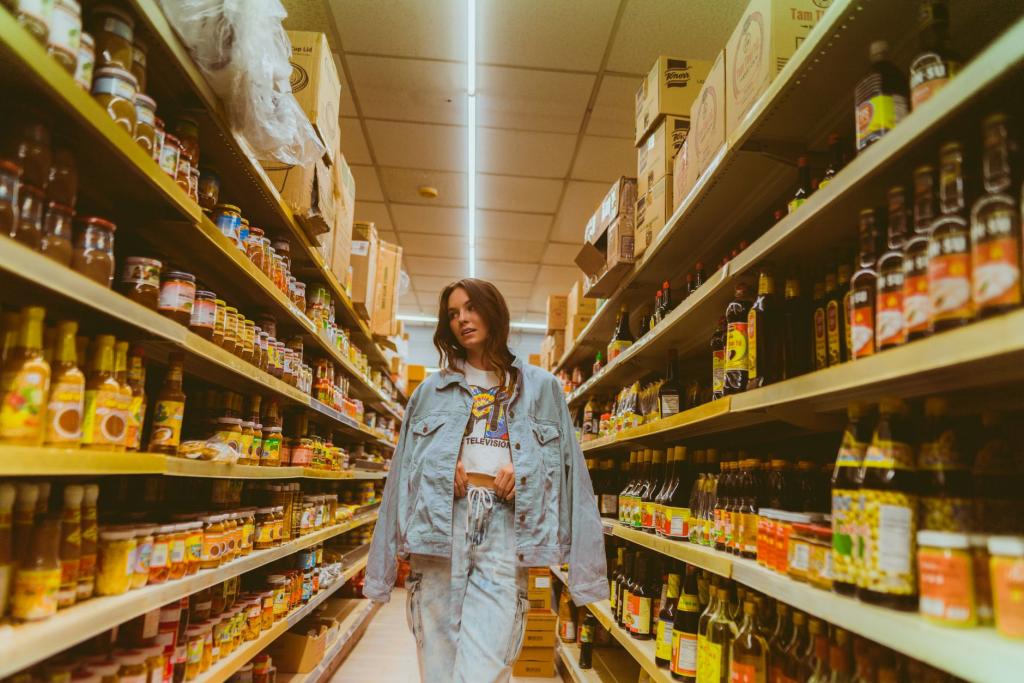
Shoppers can see the shift in the candy aisle itself. Chocolate accounted for just 51.7 percent of American confectionery spending last year, down from roughly two-thirds of the category a decade ago, and gummies and chews now occupy shelf space chocolate bars used to hold. Hershey told retailers it was adjusting its “price pack architecture” — corporate shorthand for shrinkflation — while some boutique brands quietly cut bars from 75 percent cocoa to 65 percent to stretch margins. Gummies are the real winners: sour candy sales jumped 7 percent year over year, according to the National Confectioners Association, and candy giants are racing to launch non-chocolate flavors that dodge cocoa costs entirely.
How shoppers are fighting back
Consumers are adapting fast as Halloween candy prices keep climbing. Nearly half of Halloween shoppers — 49 percent — plan to start buying in September or earlier, up from about a third a decade ago, and discount stores have become the top destination, drawing 39 percent of shoppers. If prices run hot, 31 percent say they will keep comparing prices while 26 percent will hunt for coupons. Wells Fargo analysts suggest opting for candies with less cocoa, comparing prices across retailers, and choosing store brands over premium labels. Act early, too: several candy makers now release Halloween items “while supplies last,” meaning a sold-out seasonal favorite is gone for the year rather than restocked. Tariffs are also squeezing supply — the United States now charges 15 to 25 percent duties on cocoa from Ecuador, Ivory Coast, the Dominican Republic, and Ghana, costs importers pay when shipments arrive, the bank’s report on the cocoa crunch noted.
One new wrinkle: artificial intelligence has entered the candy aisle. The NRF survey found that 34 percent of shoppers will use AI to brainstorm costume and party ideas and 32 percent for product recommendations — up sharply as generative tools become part of holiday planning. “AI is becoming an increasingly common part of the consumer shopping journey,” said Phil Rist, executive vice president of strategy at Prosper Insights & Analytics, the firm that conducted the NRF survey of nearly seven thousand nine hundred consumers. The bottom line for households: buy chocolate early, lean into gummies for the trick-or-treat bowl, and expect the 2026 candy aisle to be the most expensive — and least chocolate — in memory.
None of this means Halloween is shrinking — 74 percent of consumers plan to celebrate, and costumes alone will draw four point four billion dollars. But the holiday’s economics have flipped: for the first time, the candy run may require as much strategy as the costume. With cocoa harvests uncertain and prices sticky, the era of cheap chocolate by the bucket-load looks over. At least the gummies are having their moment. Read more Business coverage of holiday spending trends, or browse Cooking for seasonal food stories.
Comments 0
No comments yet. Be the first to share your thoughts!
Leave a comment
Share your thoughts. Your email will not be published.