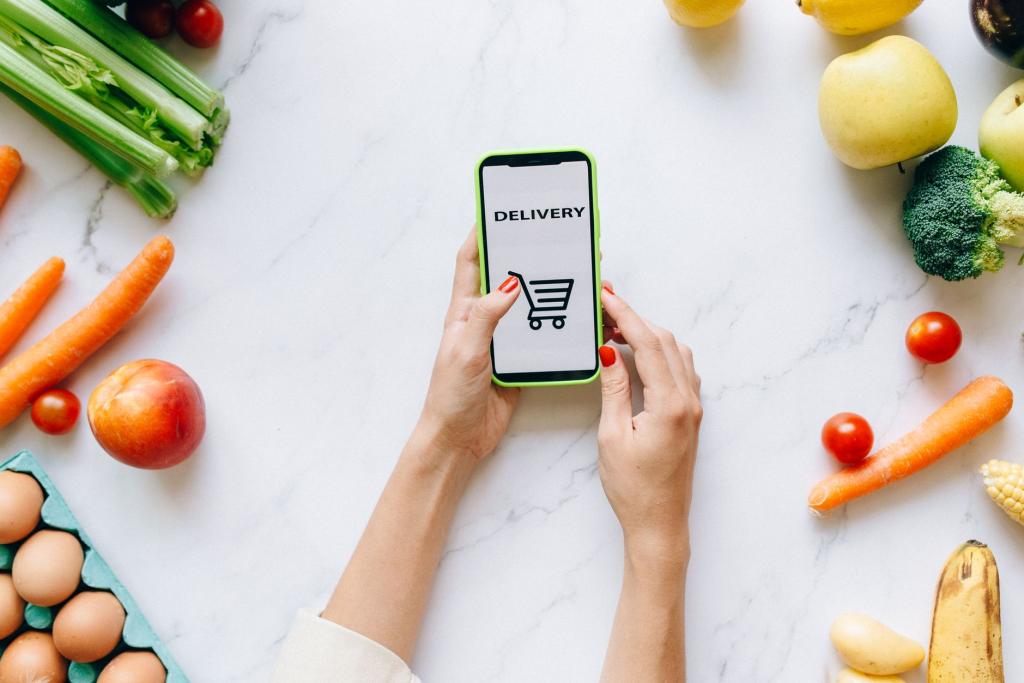
Dinner out isn't what it used to be. Instead of one restaurant visit, more diners are assembling a single meal from several sources: a supermarket roast chicken, a home-prepared salad, a delivery-app protein — a pattern that Circana senior manager Roxanne Uy calls a "mixed-meal occasion," in comments to QSR Media Australia.
The data behind the shift is hard to ignore. Deal-led visits now account for around 40% of quick-service restaurant occasions, and bundle meals have grown from 19% of visits in 2019 to 27% in 2026, according to Circana — a sign that the mixed-meal occasion is reshaping how the industry measures demand. In Australia, consumer confidence fell to 72 in mid-September, down 12.6 points from a year earlier, per Roy Morgan — the cost-of-living squeeze is visibly reshaping how people eat.
As Uy told the outlet, fast-food chains are no longer competing with another restaurant. They are competing for a place inside a broader meal occasion. "Winning brands are focusing on operational discipline, speed of service, and menu choices that reduce friction for both staff and customers," she said. "In a high-cost environment, execution matters as much as innovation." Her verdict on the future: "The brands that win over the next five years will not necessarily be the cheapest. They will be the most relevant."
Canada shows what happens when diners pull back
The pattern is not unique to Australia. In Canada, 80% of people are eating out less often because of the cost of living — up from 75% a year ago — according to the 2026 Foodservice Facts report from the industry group Restaurants Canada, reported by Retail Insider. The biggest jump came in households earning $100,000 or more. Still, Canadians make 24 million restaurant visits a day, and 61% say they would visit table-service spots more often if they had more disposable income.
Restaurants are feeling the squeeze from the other side. The industry's average pre-tax profit margin is just 4.1% — roughly equivalent to earning profit only on the last day of a typical 30-day month — and 41% of restaurant companies are operating at a loss or just breaking even, up from 12% in 2019. "Canadians still want the option of getting a meal at a restaurant or picking up take-out on the way home from a busy workday, but increasingly they have to make difficult choices about where and how much they can spend," said Chris Elliott, the group's chief economist.
The counterpoint: it is not all gloom. A 2026 Toast survey of US operators found 91% rate their business health as good or excellent, nearly nine in ten are experimenting with AI tools, and hiring plans remain healthy — 49% plan to increase staff over the next 12 months. Operators are confident they can adapt, even if the adaptation looks very different from the old playbook. Restaurants Canada also notes that the industry employs 1.2 million workers, including nearly 500,000 young people, making it the number one source of first-time jobs in the country.
What the mixed-meal trend means for how you actually eat
For Gen Z readers, the mixed-meal occasion is descriptive, not prescriptive: you are probably already doing it — grabbing a grocery-store main, ordering the one craving via an app, cooking the sides at home. The industry's own predictions say this behavior is here to stay. Uy expects value-led occasions to keep outperforming, digital and delivery channels to capture a growing share of traffic, and health-oriented menu claims — especially protein-based items and functional drinks — to gain traction with younger diners.
The brands' response is a three-point formula, per Circana: value, convenience, and trust, with top performers aligning across multiple dayparts instead of depending on a single occasion. Digital adoption, growth in off-premise occasions, and steady bundle-meal participation are the clearest signals of strong performance. Uy also said brands should shift focus from visit value to lifetime value: win over under-25s early while habits are forming, win families with value bundles and reliable execution, and build relevance beyond the restaurant itself — in supermarkets and on delivery platforms.
The upshot: the cheapest dinner is not always the restaurant one, and the smartest operators know it. Chains are partnering with aggregators and grocery stores, leaning on bundle deals, and betting that mobile apps and loyalty programs will decide where you eat — because the mixed-meal occasion is now the industry's operating assumption, not an exception. Your move? Keep stacking the deals, use the apps, and skip the guilt about the supermarket shortcut — the entire industry is now built around it. For more food stories, browse the Cooking topic page — and if you want to see where food money goes on the road, read the look at 2026 travel trends.
Comments 0
No comments yet. Be the first to share your thoughts!
Leave a comment
Share your thoughts. Your email will not be published.