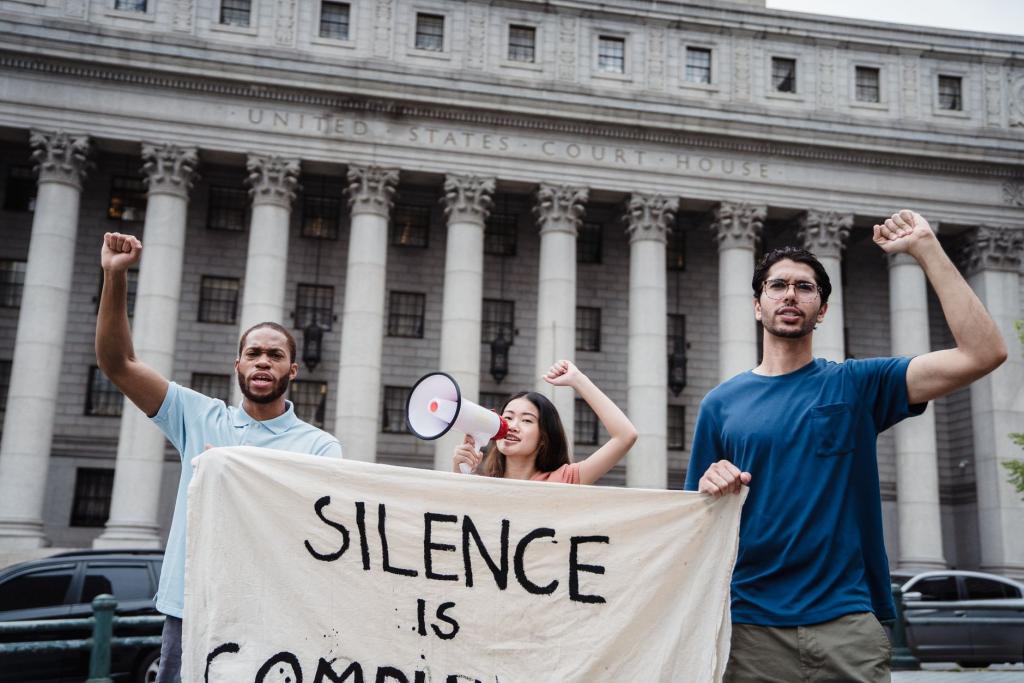
United Nations human rights experts have accused Pakistan of weaponizing vague counter-terrorism laws against dissent, after two prominent human rights lawyers were rearrested on terrorism-related charges just hours after Pakistan's Supreme Court granted them bail. The case of Imaan Mazari-Hazir and her husband Hadi Ali Chattha has become the latest flashpoint in what the UN describes as a pattern of using counter-terrorism laws and the criminal justice system to punish freedom of expression in Pakistan.
Released on bail, rearrested within hours
According to the UN Special Rapporteur on human rights defenders, it is the sequence of events that alarmed Geneva. On September 17, 2026, a division bench of Pakistan's Supreme Court granted Mazari-Hazir and Chattha bail and suspended their prison sentences in the social media posts case that had landed them behind bars. Within hours, the couple were rearrested on terrorism-related charges connected to a separate, older case dating back to March 2025, concerning their participation in a protest that authorities allege was illegal. "Invoking an older case immediately after they were granted bail appears to be an attempt to use the criminal justice system as punishment for freedom of expression and human rights advocacy," the UN experts warned in a statement, adding that they had followed successive proceedings against the pair since January that seemed "intended to punish and intimidate these lawyers, while sending a chilling message to the profession in general."
An Islamabad anti-terrorism court refused a police request to hold and interrogate the couple for 30 days, instead ordering them to jail on a 14-day judicial remand, as reported by the news agency IANS. On September 22, the same anti-terrorism court returned the couple's bail petitions because they lacked signed powers of attorney — another procedural turn that has kept the lawyers in custody despite the Supreme Court's bail order. In a statement carried by the UN human rights defenders mandate, the experts called on Pakistan's authorities to immediately release the couple and drop what they termed "unfounded" criminal and terrorism charges.
Seventeen years for social media posts
The underlying conviction dates to January 24, 2026, when Mazari-Hazir and Chattha were convicted under Pakistan's Prevention of Electronic Crimes Act of 2016 for posts on X that supported local activists and criticized the military. According to an earlier statement from the UN human rights office, the lawyers were found guilty under sections 9 (glorification of an offence), 10 (cyber-terrorism) and 26-A (false and fake information) of the act. They received multiple concurrent sentences totaling 17 years of imprisonment — with the longest, a 10-year sentence, imposed for cyber-terrorism — plus fines of 36 million rupees each. The office noted that the couple had faced 10 criminal complaints since 2022 and had never previously been convicted of wrongdoing.
Amnesty International, which issued an urgent action appeal on the couple's behalf, reported that the two lawyers were being held at Adiala prison in Rawalpindi and were targeted solely for promoting and defending human rights in Pakistan. The European Union echoed the concerns, stating that the sentencing undermines freedom of expression and the independence of the legal profession, and urged Pakistan to ensure fair trial standards, as reported by Christian Daily International. The UN human rights office said at the time it was "deeply disturbed" by the convictions, warning that Pakistan's cybercrime laws were increasingly used to silence dissent and intimidate lawyers.
A pattern of alarm over Pakistan's counter-terrorism laws
The UN experts' October statement builds on months of warnings about how Pakistan's counter-terrorism laws are being applied. "Lawyers, like other individuals, are entitled to freedom of expression. The exercise of this right should never be conflated with criminal conduct, especially not terrorism," the experts said in the UN human rights office's earlier release, emphasizing what they called the broad and vague definition of terrorism-related offences under Pakistan's counter-terrorism framework. "Doing so risks undermining and criminalising the work of lawyers and human rights defenders across Pakistan and has a chilling effect on civil society in the country."
This is not the first time in recent weeks that a UN body has raised the alarm over state treatment of vulnerable groups in the region. Just days earlier, the UN refugee agency voiced concern over Malaysia's deportation of around 1,500 Myanmar nationals back to a country in civil war. The Pakistan case, however, strikes at a different nerve: the independence of the legal profession itself, which the experts argue is essential to any functioning rule of law.
Why this matters beyond one couple
The condemnation lands at a sensitive moment for Pakistan's international standing. The country's cybercrime and counter-terrorism framework has drawn repeated criticism from Western capitals and rights organizations, which argue the laws are increasingly used to silence dissent and intimidate critics of state institutions. Pakistan's government has typically defended such prosecutions as legitimate law enforcement. The UN experts' call for the couple's immediate release and for all "unfounded" charges to be dropped puts direct pressure on Islamabad to reconcile its counter-terrorism posture with its obligations under international human rights law.
For now, Mazari-Hazir and Chattha remain behind bars, and each upcoming hearing will test whether Pakistan's courts can act as a check on the very prosecutions the Supreme Court once paused. With bail petitions stalled on procedural grounds and a 14-day remand ticking down, the next courtroom dates will show whether the September bail order has any real force. The UN experts have signaled they will keep watching — and that the chilling message sent to Pakistan's legal profession is being heard far beyond Islamabad. (UN Special Rapporteur on Human Rights Defenders; OHCHR; IANS)
Comments 0
No comments yet. Be the first to share your thoughts!
Leave a comment
Share your thoughts. Your email will not be published.