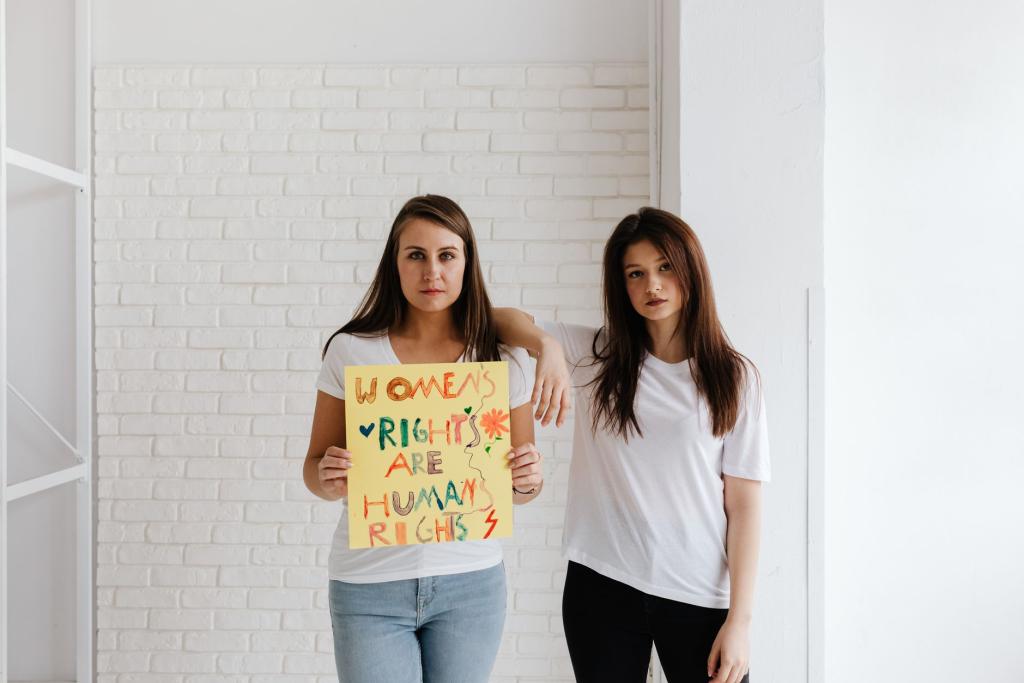
On Monday, September 28, a protest started over tuition and dorm food at Allameh Tabatabai University in Tehran, and within hours it had turned into the boldest public challenge to the Iranian authorities in months. Dozens of students, many of them women, gathered on campus to condemn rising fees, poor living conditions, and the compulsory hijab rules that have tightened on Iranian campuses this fall. The Iran student protests did not stay about money for long. They became about the morality police, imprisoned students, and the security presence on campus itself.
The gathering marked a rare show of open dissent. It arrived in the middle of an intensified security crackdown, as authorities braced for unrest during Iran's annual Sacred Defense Week and amid the ongoing US-Israeli war with Iran, according to GlobalPost.
What the students are demanding
The complaints started with the practical stuff. Students protested tuition increases for evening-program and extended-study students, deteriorating dormitory conditions, and the low quality of food in student cafeterias, according to the Women's Committee of the National Council of Resistance of Iran (WNCRI), which published a detailed account of the September 28 protest.
Then the demands widened. While the Iran student protests began with tuition bills, demonstrators now called for the release of imprisoned students, condemned compulsory hijab, and criticized the repressive atmosphere imposed on universities. One chant captured the mood: "Neither barracks nor business enterprise; long live the university," a rejection of both the security presence and the commercialization of higher education on campus. Another, reported by multiple student outlets, was "Hijab and morality police, down with tyranny."
The protest was notable for who led it. Female students participated prominently and took visible leadership roles, WNCRI reported, showing that the demonstrations went beyond academic and welfare grievances into a direct challenge to the restrictions placed on women.
The Basij moved in
Members of the Basij paramilitary force, the volunteer militia that is part of Iran's Islamic Revolutionary Guard Corps, attempted to disperse the gathering and reportedly threatened students, according to videos and accounts reported by Iran International. The independent student publication Amirkabir reported that Basij members gathered the protesters ostensibly to discuss their complaints, then threatened to put them in a sack, a phrase student platforms read as a threat of violence.
The regime's anxiety about the Iran student protests extends beyond a single campus. On September 8, a senior official in the office representing Supreme Leader Ayatollah Ali Khamenei at universities said a stricter compulsory-hijab directive for universities had been drafted and was expected to be issued by the ministries overseeing higher education, according to reporting by Iran International. The planned directive signals a harder line after years of widespread civil disobedience over dress codes, the same friction point that ignited mass protests following the death of Mahsa Amini in September 2022.
The security posture around the Iran student protests has been massive. The National Council of Resistance of Iran claimed that authorities canceled leave for security personnel through September 27 and deployed some fifty-one thousand personnel across Greater Tehran, including IRGC, Basij and law enforcement units. Those figures have not been independently confirmed, and should be treated as claims from an opposition group rather than verified fact.
It was not just Tehran
At Al-Zahra Women's University in Tehran, one hundred sixty-five female students were barred from entering the campus, even though disciplinary proceedings against many of them had not been completed. Some students said they only learned about the ban after arriving at the university, having received no prior written notification, according to the Jerusalem Post, as republished by Europesays.
Students at Lorestan University and Razi University announced a boycott of university cafeterias over price increases and worsening food quality, Amirkabir reported. And beyond the campuses, telecommunications retirees held demonstrations in Isfahan, Kermanshah, and Bijar, while retirees of the Shafaroud company gathered outside the Gilan governorate on the same day, according to the National Council of Resistance of Iran. Different constituencies, different immediate demands, but the same backdrop of economic pressure.
By Tuesday, the campuses had gone quiet. No protests were reported at Allameh Tabatabai University the day after the September 28 gathering, according to GlobalPost, though the pause may simply mean the next round of Iran student protests is being planned off campus. Whether that was exhaustion, deterrence, or a pause before the next round is the question hanging over the campuses now.
Student anger on campus echoes a pattern seen elsewhere this week. France's high school protests spread across the country after a crisis meeting with the prime minister, and India's courts backed queer partners making medical decisions in a landmark human rights ruling. The Iran student protests of September 28, meanwhile, follow a year that included everything from a mid-air cockpit attack to campus crackdowns across the region, and they show that even under heavy surveillance, Iranian students are still willing to march.
The clearest measure of what happens next will be what the students themselves promised on September 28. According to student publications, one of the chants that night was simple: "Don't think it's only one day; our appointment is every day." For fuller reporting on this week's crackdown, see GlobalPost's account of the protests and WNCRI's detailed report from the Allameh University campus.
Comments 0
No comments yet. Be the first to share your thoughts!
Leave a comment
Share your thoughts. Your email will not be published.