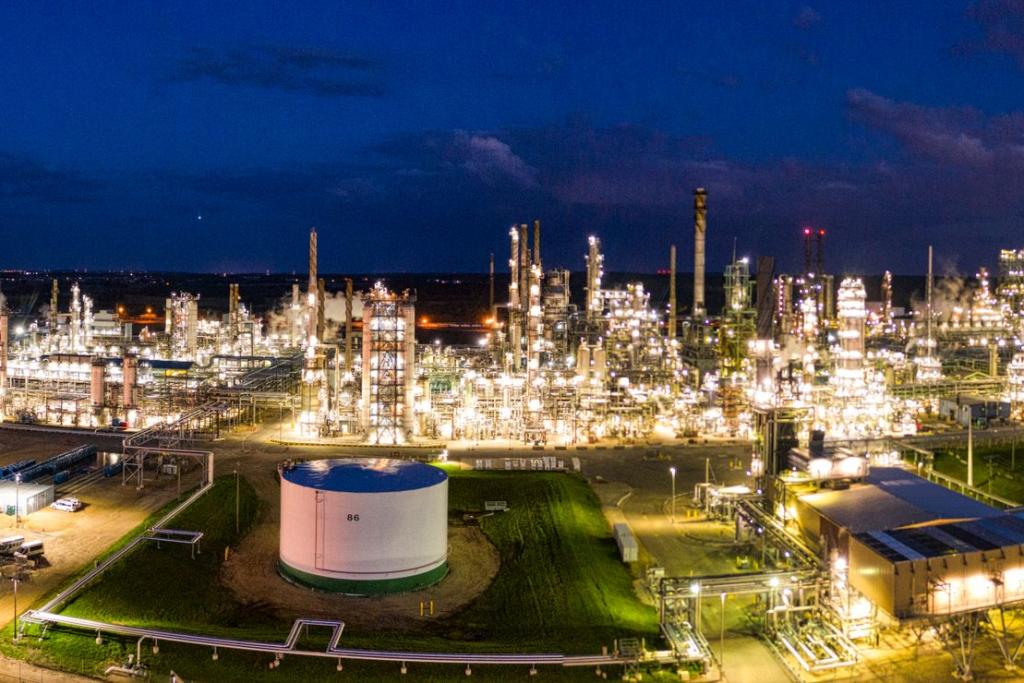
Overnight into Sunday, Ukraine fired more than 1,000 drones at targets across Russia, including several hundred aimed at the capital, in what city officials described as the largest aerial assault on Moscow since the full-scale invasion began. The overnight Moscow drone attack damaged a major oil refinery and a residential building and killed two people in the wider Moscow region. Governor Andrei Vorobyov identified the dead as a 74-year-old man and a 44-year-old woman and said 20 more people were wounded, according to the Associated Press.
TBS News reported that two more people died in the Russian-held part of Ukraine's Kherson region, including an election official, citing Mayor Sergei Sobyanin and election authorities. A facility at the Moscow Oil Refinery, owned by Gazprom Neft and located about 25 kilometers from the Kremlin, was damaged when several unmanned aircraft struck its grounds. The plant processes around 245,000 barrels of crude a day and ranks among the key fuel suppliers for the capital region. Sobyanin said emergency crews were working at the scene.
Russia's Defense Ministry said air defenses shot down 1,100 Ukrainian drones across 19 regions of Russia, as well as over Crimea and the Black Sea. That figure marked the largest overnight interception total reported this year, topping the previous high of 822 in August, Bloomberg reported. Sobyanin said 450 drones were destroyed while approaching Moscow. Ukrainian President Volodymyr Zelenskyy confirmed on social media that Kyiv had used a mix of long-range drones and domestically built Flamingo and Pelican missiles against oil and logistics targets. Kyiv described those facilities as infrastructure worth billions of dollars sustaining the Russian war effort.
A strike timed for the final day of voting
The barrage landed as Russia was wrapping up the third and final day of its parliamentary elections, the first such vote since Moscow launched its full-scale invasion of Ukraine in February 2022. Sobyanin said on Telegram that the assault had clearly been planned to disrupt the voting and that it had failed. Turnout had passed 45 percent by late Sunday morning for the Duma vote and regional contests, according to Central Election Commission chairwoman Ella Pamfilova. The ruling United Russia party is widely expected to keep its dominance in a contest critics describe as tightly managed, as reported in GenZ NewZ's earlier coverage of the wartime vote.
Anti-war candidates were largely barred from the ballot, and long jail terms handed to two senior figures of the liberal Yabloko party ahead of the vote left the party fearing for its freedom, TBS News reported. Yabloko's leader Nikolai Rybakov spoiled his own ballot paper with the party name and the words "For peace," a small act of defiance. Election officials also said Moscow's online voting system had come under cyberattack on Saturday. Kyiv, which has suspended elections under martial law, dismissed the Russian vote as a pseudo election.
An escalating duel of long-range strikes
The assault on the capital marked a sharp escalation in a duel of long-range attacks that has been running alongside grinding front-line fighting. The fighting along a roughly 1,250-kilometer front in eastern and southern Ukraine has slowed, with both sides relying on drones and ground robots to threaten troop movements, the Associated Press reported. Ukraine has pressed a campaign against Russian oil and commercial infrastructure in recent months, and Moscow has answered with strikes of its own: Ukrainian authorities reported Russian attacks on the Kyiv region over the weekend that killed four people, including three children, according to the Open Chronicle global news brief for September 20. The widening geography of the conflict has already spilled across borders this week, when Polish and allied jets scrambled as Russian strikes hit western Ukraine near the Polish border.
Initial results from the parliamentary vote were expected to begin emerging on Sunday evening, with fuller tallies due on Monday. Analysts at the Berlin-based NEST think tank said the vote could still produce awkward moments for the Kremlin, arguing that economic strain and accumulated public frustration might push votes toward the permitted opposition parties. The Kremlin has signaled that it intends to present the outcome as public backing for the war. Meanwhile, the scale of the overnight assault suggested that neither side's long-range campaign is close to winding down, with Ukraine now a world leader in military drone technology and long-range domestically produced drones striking deep inside Russia with growing frequency.
Comments 0
No comments yet. Be the first to share your thoughts!
Leave a comment
Share your thoughts. Your email will not be published.