On the morning of September 13, police teams fanned out across Türkiye in coordinated raids that hit the homes of activists, the offices of LGBTI rights groups, nightclubs, and newsrooms. The operation, which the authorities call “Ailem Güvende” (“My Family Is Safe”), is the largest single sweep against queer civil society in the country's modern history, and it is still growing. According to Amnesty International, police have arrested at least one hundred sixteen people across fifteen provinces since the raids began, and at least eighty-three of them have been placed in pretrial detention. Criminal investigations have been opened against hundreds more, and hundreds of social media accounts and websites have been blocked or restricted in the same period.
The Turkiye LGBTI crackdown arrives framed as a family-protection campaign. Justice Minister Ak∈ Gürlek announced on September 13 that prosecutors in five cities were coordinating investigations covering one hundred sixty-two suspects, nine associations, and thirteen businesses, as reported by Nordic Monitor. The stated allegations include obscenity, facilitating prostitution, drug offenses, and exposing children to obscene content. Since then the government's own framing has hardened. Government-aligned media and officials have portrayed grants from foreign governments, diplomatic missions, and international organizations as a potential national security threat, Nordic Monitor reported, and the financial crimes board is examining the groups' funding streams.
Raids, detentions, and a digital blackout
The first weekend of raids hit hard. Police swept through LGBTQ organizations, homes, and venues in Istanbul, Ankara, Izmir, Aydin, and Mersin from September 12 to 14, detaining activists, executives, and at least one journalist, Tugba Tekerek, according to Nordic Monitor. KAOS GL, Türkiye's longest-running LGBTQ advocacy group, had its Ankara office raided and members of its executive and supervisory boards detained, according to Femena. Footage released by the Interior Ministry showed officers searching filing cabinets, confiscating rainbow flags, and escorting handcuffed people out of buildings.
Mistreatment continued after the arrests. LGBTI rights organizations have reported allegations of intrusive strip searches, insults, and humiliation, as well as rights defenders held in isolation, Amnesty International reported. Courts issued orders between September 12 and 16 blocking dozens of websites and social media accounts belonging to LGBTQ and other rights groups, activists, and individuals, Human Rights Watch said. Emma Sinclair-Webb of Human Rights Watch accused authorities of attempting to smear and criminalize LGBTQ advocacy, saying the detainee list appeared to include people arrested for drug and prostitution offenses with no link to any LGBTQ group. Among the blocked accounts is Amnesty International Türkiye's own X account, according to Amnesty's report.
A decade of tightening space
The sweep follows years of tightening pressure. Istanbul Pride has been banned since 2015, and in the past two years proposals to criminalize expressions of LGBTI identity or consensual same-sex activity were repeatedly leaked, then withdrawn after public uproar and civil-society resistance, Amnesty reported. The government has folded the current operation into its Decade of Family and Population program, launched in May and running through 2035 to address the country's declining birth rate. The Ministry of Justice has now sent a circular to one hundred seventy-five chief public prosecutors across all eighty-one provinces, instructing them to pursue content and activities deemed contrary to “public morality” and harmful to families, children, and young people, according to Amnesty.
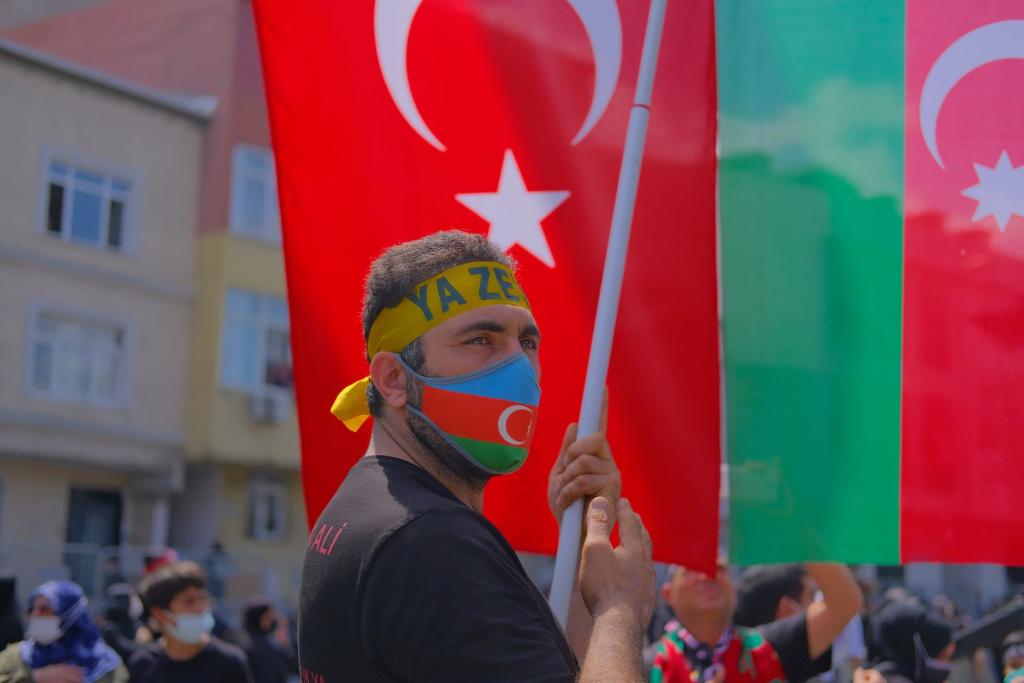
Protests have met the crackdown at every step. Police reportedly used pepper spray against peaceful demonstrators in Izmir, and more than one hundred people were detained when they gathered outside the Istanbul Courthouse in Caglayan, Amnesty reported. Solidarity actions spread beyond the country's borders: on Friday, people took to the streets in more than fifty cities around the world to demand an end to the raids, according to Amnesty. The International Federation for Human Rights and its Turkish member organization IHD denounced the arrests in the strongest terms and called for all prosecutions based on discriminatory accusations to be dropped immediately.
What the rights groups are demanding
“As protest within Türkiye builds and international condemnation mounts, it is clear that the Turkish authorities have every intention of intensifying the crackdown,” Milena Buyum, Amnesty International's senior campaigner on Europe, said in a report dated September 28. She described the past decade as an ongoing authoritarian bonfire of rights that has silenced dissent, stoked divisions, and spread fear across Turkish society. Buyum pointed to the broader pattern: the rights of women and girls have eroded at the same time, with Türkiye withdrawing in 2021 from the Istanbul Convention, the landmark treaty on preventing violence against women.
Amnesty's demands are blunt. The targeting of LGBTI communities must end immediately, and the Turkish authorities must release everyone detained solely for their human rights work, the organization said. LGBTI defenders and associations must be allowed to operate without discrimination, criminalization, intimidation, or reprisals. Leaders around the world must publicly condemn the crackdown, raise concerns at the highest levels of the Turkish government, and provide support to LGBTI organizations and defenders, Buyum wrote. With countrywide protests expected in the coming days and weeks, rights groups say the number of arrests is likely to rise again. So far, the Turkiye LGBTI crackdown has drawn formal condemnation from Amnesty International, the International Federation for Human Rights, and Human Rights Watch.
Readers following the wider pattern of state pressure on civil society can look back at our earlier coverage of South Africa's migrant deadline, where a looming September 30 cutoff has stoked two days of fear among migrant communities, and the Madrid housing protest that turned one woman's eviction into a city-wide movement.
Comments 0
No comments yet. Be the first to share your thoughts!
Leave a comment
Share your thoughts. Your email will not be published.