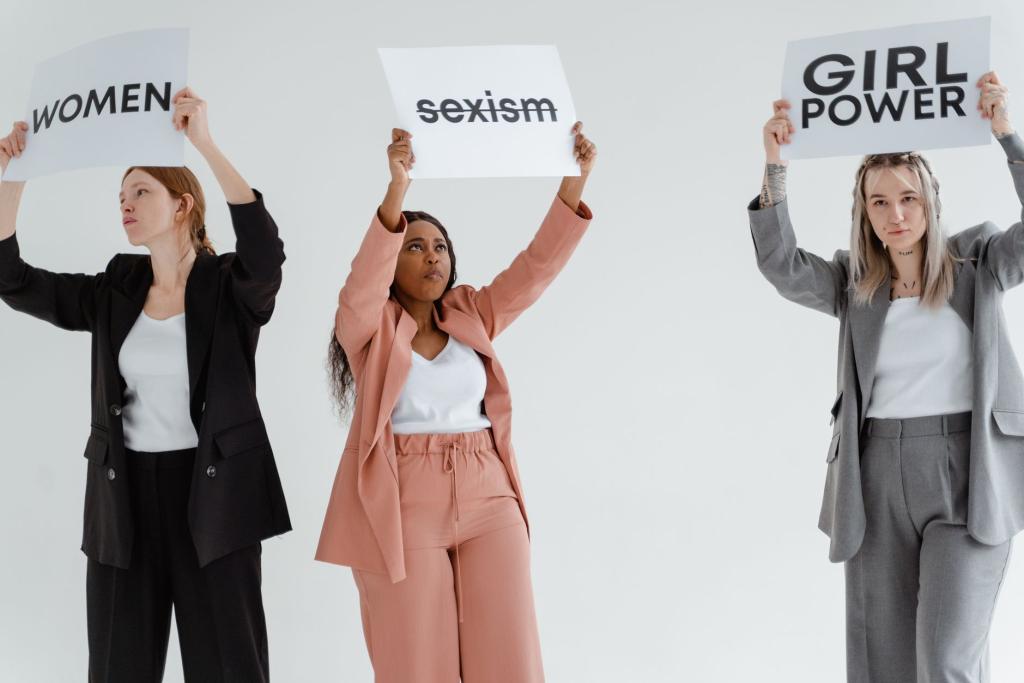
Gender equality is 171 years away if the world keeps moving at its current pace. That is the headline finding of Gender Snapshot 2026, a report published by UN Women and the UN Department of Economic and Social Affairs on September 17. According to the report, not a single indicator under Sustainable Development Goal 5, the UN's goal for gender equality, is on track to be met by the 2030 deadline.
Those indicators cover the basics of equal rights: ending discrimination and gender-based violence, stopping forced marriage and female genital mutilation, giving women full participation in leadership, and securing economic and property rights. The snapshot says progress on all of them has stalled or reversed. The report pins the slowdown on political choices, visible in where money and power are being pulled back from gender equality work.
The timeline is only part of the story. The more immediate finding is the direction. The report shows women losing ground in the exact institutions that are supposed to defend gender equality, from national gender-equality bodies to the United Nations itself. Read the full findings in the UN's summary of Gender Snapshot 2026.
The institutions defending equality are losing power
The report's sharpest warning concerns the bodies built to advance gender equality. Over the past two years, one in three institutional mechanisms for gender equality has lost some of its institutional power, according to UN Women. Around one in four has had its operating budget cut. Across development aid more broadly, programmes addressing gender inequality have been among the hardest hit, with funding falling to its lowest level since 2021.
The erosion reaches inside the UN system too. Forty-two per cent of UN entities report that funding cuts have weakened their gender-equality efforts. UN Women describes institutions being defunded and demobilised at the same time that decades of political and legal gains are being challenged and, in some cases, dismantled. The same UN human rights machinery has stayed active on other fronts this month: the UN human rights office added 61 companies to its settlements blacklist on September 25.
Women's organisations face the sharpest squeeze of all. UN Women says funding for gender equality has fallen to its lowest level since 2021, and women's rights organisations have felt the greatest impact, losing resources just as the political pressure on their work intensifies.
Who holds the power
Six in seven countries are currently led by men, the snapshot finds. The imbalance goes well beyond heads of government, and the report treats the gender equality gap as fundamentally a question of who holds power. Close to nine in ten defence ministers and more than eight in ten finance ministers are men. Women make up only 6 per cent of chief executives globally and lead fewer than 20 per cent of the highest courts, leaving decisions about business, law and the economy overwhelmingly in men's hands.
Getting into power is itself filtered. The report notes that the cost of running for office can exceed 100 times a country's average per-capita income, pricing many women out before a campaign begins. In some countries, up to eight in ten women running for public office also face violence. The authors say this imbalance weakens democracy itself, because no country can fully uphold human rights or democratic principles while half its population lacks an equal voice in leadership.
The jobs picture for younger people is part of the same landscape. Gen Z took its frustration about thinning entry-level hiring to TikTok this week, telling millennials to retire and free up jobs while the unemployment numbers tell a more complicated story.
Violence and the law still fail women
Nearly one in five girls is married before the age of 18, and an estimated 230 million women and girls worldwide are survivors of female genital mutilation. Nearly a third of women globally have survived partner or sexual violence in their lifetime, and 316 million women experienced physical or sexual violence by an intimate partner in the past 12 months alone.
On the law, the gender equality gap is stark. The report finds that not a single country has achieved full legal equality, and 51 per cent of the 131 countries studied still have significant legal gaps. Nearly two thirds of countries provide no or little legal protection for women's land rights, and fewer than 30 per cent ensure joint land registration or women's participation in land governance, creating barriers to land ownership and secure tenure.
What the UN says comes next
UN Under-Secretary-General for Economic and Social Affairs Li Junhua said the snapshot proves the slowdown is not inevitable. "It is the result of choices, made visible through data," he said, arguing that investing in gender equality, institutions and the statistics that hold them to account "is not a cost" but "the fastest route back to the 2030 Agenda's promise of equal power for all."
UN Women executive director Sima Bahous put it more bluntly in an address to women leaders: "equality without power is not equality at all." The 2030 deadline is four years away. The snapshot reads as a warning that the promises made to women and girls are slipping, and it insists that closing the gender equality gap is a matter of choices that governments can still make.
Comments 0
No comments yet. Be the first to share your thoughts!
Leave a comment
Share your thoughts. Your email will not be published.