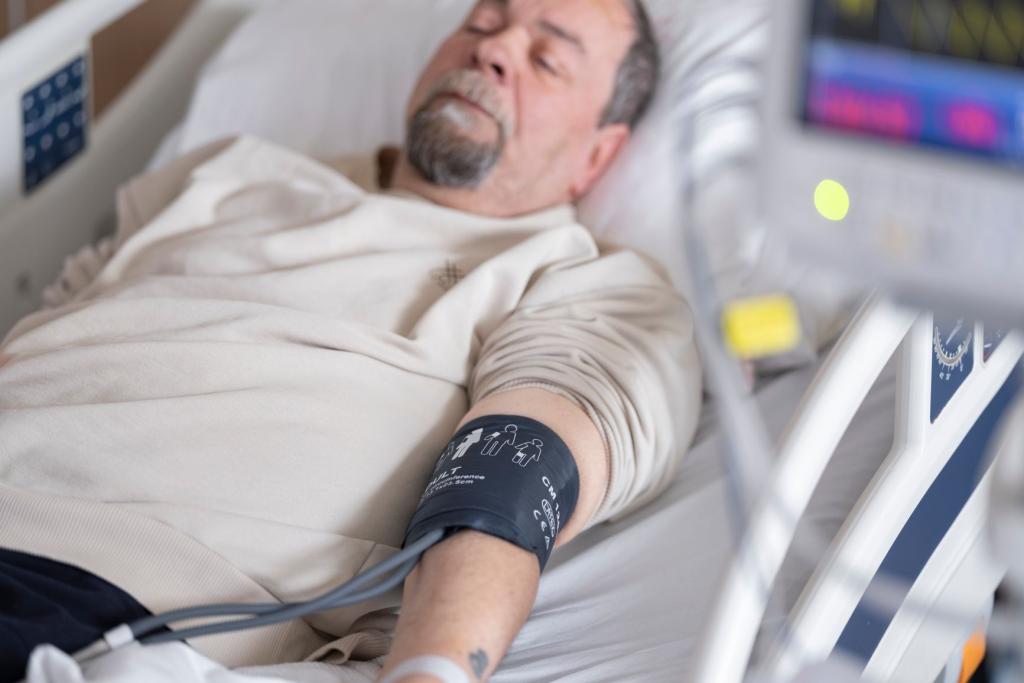
The Tokyo Sleep Competition just crowned a new champion of rest: dozens of self-described elite nappers gathered in Tokyo this month to fall asleep faster and deeper than anyone else, with sleep-tracking monitors on their heads and a massive cash prize waiting for the best sleeper in the room.
Dozens of contestants sprawled across mattresses in a dimly lit room, each given up to an hour and a half to nap while monitors measured exactly how quickly they drifted off and how deeply they stayed under, according to reporting by AFP. The event, dubbed Matt Race, was organized by a mattress company hoping to turn the simple act of sleeping into a spectator sport.
The winner was chosen based on how quickly and soundly they slept. The top prize was worth over two million yen, or about fourteen thousand dollars in rough terms. Suimii, the contest winner who only gave her nickname, told AFP she plans to use the money for moving costs and a bed fit for a princess.
Judges scored both speed and depth from the head monitors, turning the sleep lab into a scoreboard where the calmest nervous system wins. It is a fitting format for a country where public napping has long been read as proof of hard work rather than laziness.
How you win a nap race
The rules are brutally simple: lie down, relax, and sleep better than everyone else. Inside the venue, participants slept with monitors attached to their heads, some cradling stuffed toys in their beds while the sensors recorded the depth and speed of their slumber.
"Japan is often described as a country suffering from sleep deprivation, and people here are very diligent," Riichiro Nakama, creative director at organizer Koala Sleep Japan, told AFP. He said that by turning sleep into an event, the organizers hoped to get people sleeping together and raise public interest in rest.
Chisato Honda, thirty-two, was one of the contestants. He told AFP the nap flew by. "It was over in an instant. I almost wish I could have slept a little longer," Honda said, adding that the whole experience was a happy one.
Why Japan is running on empty
The contest exists because Japan has a genuine sleep problem. Data from the Organisation for Economic Co-operation and Development showed in 2021 that Japanese people slept an average of seven hours and twenty-four minutes a day, the least of all the nations measured in the group. Experts point to long working hours, lengthy commutes, and a busy nightlife economy as factors keeping the country awake.
Compared with other wealthy countries, Japan sleeps the fewest hours by a clear margin, and the gap has become part of the national conversation about overwork. Public napping, or inemuri, has long been socially accepted as a sign of exhaustion from hard work rather than laziness, which makes a public napping contest feel less strange in Tokyo than it might elsewhere.
For a generation raised on hustle culture, the idea of being rewarded for resting well lands differently. Rather than another productivity hack, the Tokyo Sleep Competition treats deep sleep as an achievement in itself, and the packed room suggests plenty of young workers agree it is a prize worth chasing.
The event also fits a broader shift in how young people talk about rest. Sleep is being reframed as a health project rather than lost time, from bedtime routines shared online to workplaces experimenting with nap breaks. A contest that pays people to sleep deeply, instead of work longer, says the quiet part out loud.
What a nap contest says about rest culture
The Tokyo Sleep Competition is the latest sign that sleep is becoming a status symbol. From sleep divorce trends, where couples split beds to sleep better, to research showing that small amounts of extra sleep can add up to meaningful health gains, rest is being reframed as something to optimize and even compete over.
Read more: The Sleep Divorce Boom: Why Couples Are Splitting Beds, Daily Movement Beats Weekend Workouts for Deeper Sleep, Five More Minutes of Sleep Could Add a Year to Your Life.
Whether competitive napping catches on beyond Japan remains to be seen, but the message travels well: in a world that rewards exhaustion, the bravest thing you can do might be to lie down in public and sleep like you mean it.
Comments 0
No comments yet. Be the first to share your thoughts!
Leave a comment
Share your thoughts. Your email will not be published.