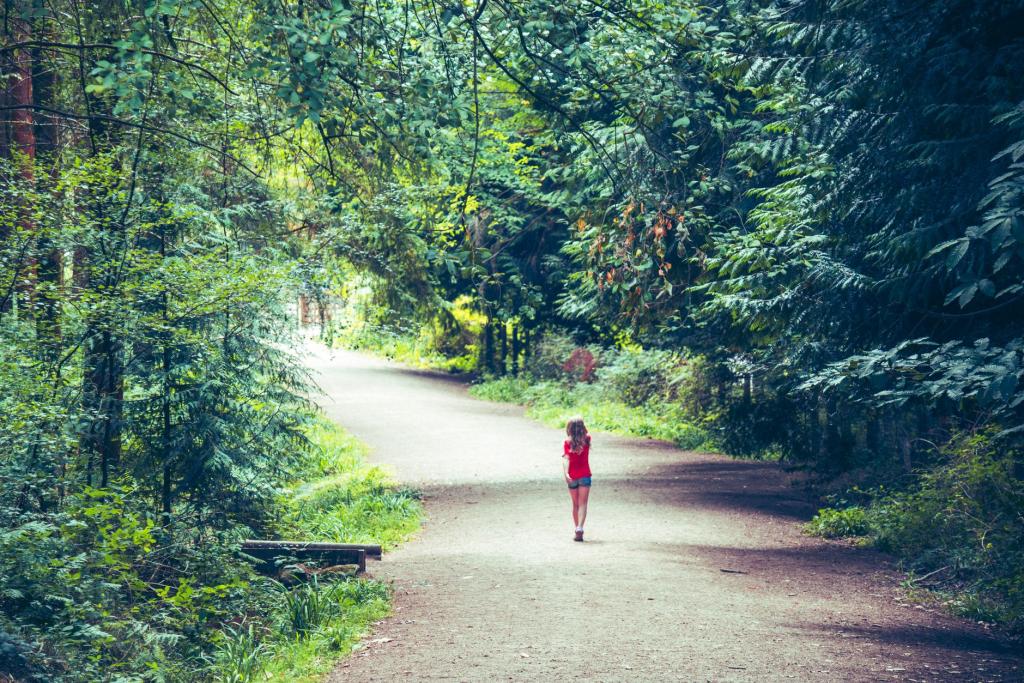
Your next doctor's visit could end with a prescription that has nothing to do with a pharmacy. Researchers say doctors may soon Prescribe Nature Walks for Loneliness the way they currently prescribe medication, after a global study found that organized outdoor time with other people measurably reduced loneliness, with effects that lasted a full year.
About one in three Americans and one in six people worldwide feel lonely on a regular basis, according to figures reported by the University of Colorado Boulder, and public health officials have called the trend an epidemic of loneliness. The new research, published in the October issue of a major medical journal, tested something refreshingly low-tech: clinicians literally prescribing activities like gardening, hiking, or birdwatching.
The project is called RECETAS, and it ran what researchers describe as the first large-scale randomized trials of nature-based social prescribing. Across six cities in Europe, Latin America, and Australia, more than a thousand adults took part in a program called Friends in Nature. "There has been a lot of passion about nature-based prescriptions, but not a lot of evidence," said Jill Litt, the environmental health professor who led the work. "We now have randomized controlled trials showing this works and the impacts last."
What the Barcelona trial actually did
The newest results center on Barcelona, where loneliness rates have doubled in recent years as multi-generational living has grown less common and families have spread apart. The study enrolled 320 lonely older adults from a dozen low-income neighborhoods and split them into two groups. Half joined groups of eight to ten people that spent two hours a week for nine weeks doing gardening, birdwatching, or nature-based art programs alongside two trained facilitators, with activities chosen from a menu the local community helped design. The other half received the same menu of free, accessible nature activities to try on their own.
Both approaches worked. Participants showed an 11 percent average reduction in loneliness scores at three months, 12 percent at six months, and 17 percent after a year. It is the first large-scale evidence that programs built to Prescribe Nature Walks for Loneliness can deliver measurable, lasting results. But the group version pulled ahead in one important way: for people who started with lower emotional wellbeing, doing the activities together worked significantly better than doing them alone. Many participants kept meeting for outdoor activities long after the formal program ended, according to the researchers.
It is worth noting who was studied here. The trial focused on older adults in low-income neighborhoods, so the exact playbook may not translate one-to-one to a stressed-out twenty-something. But the researchers say the mechanism points to something broader: loneliness is not really about being physically alone. Litt defines it as a subjective disconnect between what you expect your relationships to look like and what they actually are, a feeling one patient described as "a knot in their stomach." You can be in a room full of people and still feel lonely, which is why adding more group chats rarely fixes it.
Why nature works better with other people
Nature, it turns out, makes an unusually good social lubricant. Litt said its vivid sounds, smells, and sights act as what she called "an additional facilitator," creating a safe space where social bonds can form without the pressure of a structured hangout. Participants told her that "nature doesn't judge you" and that it is "hard to be angry in nature."
"Being out in nature forms this kind of reservoir of calm that we can return to later in life during stressful times," said Louise Chawla, an environmental psychologist at CU Boulder. "It's not just restorative when you are in a place but also when you go back to it in memory." One 63-year-old participant put it more simply: "I have met people. I have shared. It has been wonderful."
The stakes go beyond mood. Chronic loneliness is tied to higher risk of cardiovascular disease, dementia, stroke, depression, and anxiety, and lonely people tend to visit their doctors more often, sometimes in search of human connection rather than medical care. Our recent look at weekend catch-up sleep found modest extra weekend rest tied to lower depression and anxiety risk, while another recent study tied daily walking to lower cancer risk — more evidence that simple, low-cost habits carry outsized health weight. Researchers even have a name for the Friday pattern of lonely patients arriving at emergency departments with vague complaints: "Friday afternoon syndrome."
Public health agencies in Spain have already started recognizing the outdoor-group program as a best practice for addressing the loneliness epidemic, and Litt is working to bring similar trials to the United States. Her long-term hope is that insurance plans might one day cover things like a community garden membership or a birdwatching club, treating a walk with strangers as a legitimate medical intervention.
For now, the prescription is self-directed. The group that got the biggest benefit was not exercising harder or meditating better; they were just showing up outside, together, every week. If the group chat feels full but your life feels empty, the science suggests the fix might not be more screen time. It might be a patch of green, a pair of binoculars, and a standing date with a few people who keep showing up too.
Comments 0
No comments yet. Be the first to share your thoughts!
Leave a comment
Share your thoughts. Your email will not be published.