TikTok agreed on Friday to pay Alabama at least one hundred million dollars and to put hard limits on how teenagers can use the app, settling a child-safety lawsuit just before it was scheduled to go to trial. Jury selection had been set for Monday, and Alabama would have been the first state to argue its claims against TikTok in front of a jury, according to reporting syndicated from the Associated Press.
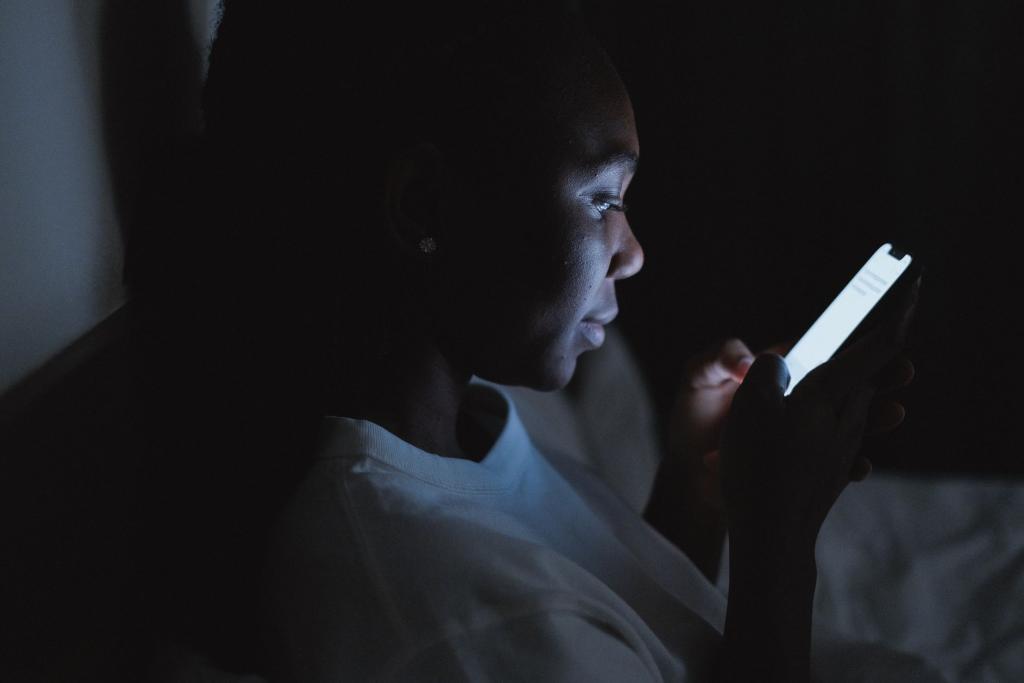
The money is only part of the deal. Under the TikTok Alabama settlement, teen accounts in the state will be capped at two hours of use per day. The app will block teenage access between midnight and six in the morning, and notifications will be suspended during school hours. After fifteen, sixty, and ninety minutes of continuous scrolling, young users will be prompted to take what the agreement calls a productive pause.
The settlement goes further than screen time. TikTok must ban cosmetic procedure and beauty filters for teenage users, offer teens the option of a non-personalized feed that does not use their past behavior to pick what shows up next, set teenage accounts to private by default, strengthen its age verification, and give parents more usable tools to monitor and restrict their children's accounts. TikTok also agreed to extend the overnight blackout to ten in the evening through seven in the morning if rival platforms adopt the same rule, a conditional clause Meta accepted in its own deal as well.
What the deal requires
The payment structure gives other states a reason to follow. Alabama receives one hundred million dollars in restitution and remediation, money that will likely fund youth mental health services and other programs. The state could collect an additional one hundred eighty-three point eight million dollars if enough other states reach qualifying settlements with TikTok within a specific timeframe, according to the Associated Press reporting.
The platform-level changes in the TikTok Alabama settlement mirror the agreement Meta reached this summer with nearly every American state, which settled similar claims for eighteen billion dollars. Meta had publicly called on TikTok and YouTube to adopt the same standards, but TikTok had not responded before this week. Alabama officials acknowledged the similarities. Katherine Robertson, chief counsel in the Alabama attorney general's office, told the Associated Press on Friday that there has been a war on childhood coming from a million different directions, and that parents and young people are fighting a battle against a bunch of different platforms.
Robertson did not soften the accusation behind the lawsuit. "They're manipulating kids to get addicted to their product, essentially," she told the Associated Press. Alabama Attorney General Steve Marshall called the outcome a great day for Alabama parents, saying they can rest easier knowing real protections are in place, according to AFP reporting on the settlement.
Why Alabama moved first
Alabama sued TikTok in April of last year, alleging that the app was deliberately designed to keep young users hooked and that the company knew about the harm. The lawsuit claimed that features meant to protect children, including Restricted Mode and Kids Mode, still exposed young accounts to videos about suicide, self-harm, eating disorders, alcohol, and sexual content.
TikTok chose to settle rather than let company documents and executive testimony air in open court. The company did not admit wrongdoing as part of the deal. A spokesperson for the TikTok USDS Joint Venture said the company's priority has always been fostering a safe and positive space where people can be creative, discover what they love, and connect with their community, and that the settlement builds on its commitment to continually enhance its safety tools to protect teens, according to the Associated Press reporting.
The Alabama deal lands in the middle of a much larger legal wave. More than a dozen states, including California and New York, are still pursuing similar cases against TikTok over risks to children and teenagers. Earlier this year, a Los Angeles jury found that YouTube and Meta had designed their platforms to hook young users without concern for their well-being. TikTok also reached a four hundred million dollar settlement with the US Department of Justice in August, ending a lawsuit that accused the company of violating federal children's privacy laws.
Anyone who lives on the app should watch whether Alabama's rules stay in Alabama. The conditional clause on the overnight blackout suggests the states are coordinating, and each new settlement makes the next one easier to demand.
A non-personalized feed option and a default-private account would change the experience in a real way, since so much of TikTok's pull comes from the algorithm learning exactly what keeps you watching. That is the same dynamic behind the way paid creators already shape what shows up in your feed, and it is worth remembering that young adults, not teens, now drive peak social media use. If these limits spread state by state, the version of TikTok most people grew up with could look noticeably different within a year. The ownership saga is a separate story, and the recent US deal already changed who runs the app, but this settlement changes how the app itself is allowed to behave.
Comments 0
No comments yet. Be the first to share your thoughts!
Leave a comment
Share your thoughts. Your email will not be published.