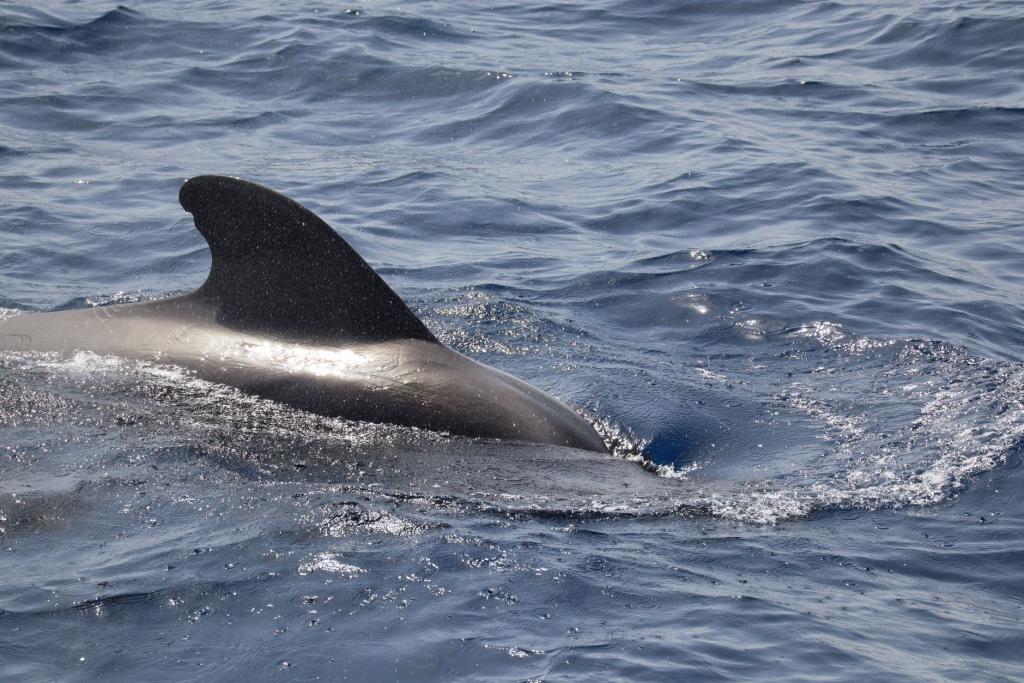
After decades of protests, boycotts, and international pressure, Iceland is preparing an Iceland Whaling Ban, a law that would end commercial whaling for good. The government has placed a full rewrite of the country's Whaling Act on its legislative agenda, with a bill due in February 2027, and the minister in charge says a permanent ban is firmly on the table. At least 80 adult fin whales have already been killed in Icelandic waters this season, according to WAMC's Earth Wise report, taken from a government quota of 150 animals.
Iceland is one of only three countries that still allow commercial whaling, alongside Norway and Japan. An Iceland Whaling Ban written into law would leave only Norway and Japan still hunting whales for profit.
A century of killing, a ban, then the return
Commercial whaling killed nearly 3 million whales in the 20th century, reducing many global populations by up to 90 percent. The International Whaling Commission banned commercial hunting in 1986, and every whaling nation accepted the ban at the time. The pause did not hold. Norway resumed commercial whaling in 1993, Iceland followed in 2006, and Japan left the commission to restart its own hunt in 2019.
Over the past two decades, Icelandic whalers have killed more than 1,000 fin whales. The fin whale is the second-largest animal on Earth, and it is the main target of Iceland's industry. Globally, the species is listed as vulnerable by the International Union for Conservation of Nature, although the North Atlantic population is listed as least concern, which is the finding the industry points to when it defends the hunt, Reuters reported.
Why the Iceland Whaling Ban is on the table now
Industries Minister Hanna Katrín Friðriksson told the Icelandic news site Vísir that the arguments for whaling have run their course. There is no market for whale products, she said, and animal welfare concerns plus an unstable international trade environment also weigh against the hunt. Until now, whaling in Iceland has depended on whether the government of the day issued licences, renewed them, or briefly suspended the hunt. An Iceland Whaling Ban written into law would shut that door permanently.
The welfare record is grim reading. A government-commissioned investigation into the 2022 fin whale hunt found that some whales struck with explosive harpoons took up to two hours to die. A few years ago, the fisheries minister at the time suspended the hunt over breaches of animal welfare law, then lifted the suspension a month later and the ships went back out.
Then there is the market problem. Most of the whale meat produced in Iceland is eaten not by Icelanders but by visiting tourists. Japan, once a buyer of Icelandic whale meat, has stopped importing it, according to twib.news. The country's only active whaling company, Hvalur, operates a pair of catcher boats and employs about one hundred and fifty people during the season, which runs from early June to late September.
The fight that is left
Hvalur's owner, Kristján Loftsson, told Reuters he believes the company can survive a renewed push for a ban, noting that earlier attempts in parliament went nowhere. A bill to ban whaling that was submitted for consultation in October 2023 did not become law. Hvalur also holds a licence that runs through 2029, which could delay the effect of any ban even if parliament passes one.
Public opinion in Iceland is split. A June poll by Maskina for the Icelandic Nature Conservation Association, reported by state broadcaster RÚV, found that 41 percent of Icelanders oppose whaling, a third support it, and 26 percent are neutral, according to Reuters.
The two countries that would remain are not exactly thriving whaling nations either. Japan authorized the killing of up to 412 whales in 2026, but whale meat consumption there has collapsed from around a quarter of a million tons a year in the 1960s to about five thousand tons today, with younger generations showing little interest. Norway's hunt ended this year with 418 minke whales killed, and only 1% to 2% of Norwegians eat whale meat regularly.
What happens next
When the bill reaches parliament, Icelanders will learn whether the Iceland Whaling Ban becomes law or joins the earlier attempts that stalled. If it passes, and if it survives the question of Hvalur's existing licence, commercial whaling would be left to Norway and Japan alone. This year's season has ended; the next one is scheduled to begin in June.
Comments 0
No comments yet. Be the first to share your thoughts!
Leave a comment
Share your thoughts. Your email will not be published.