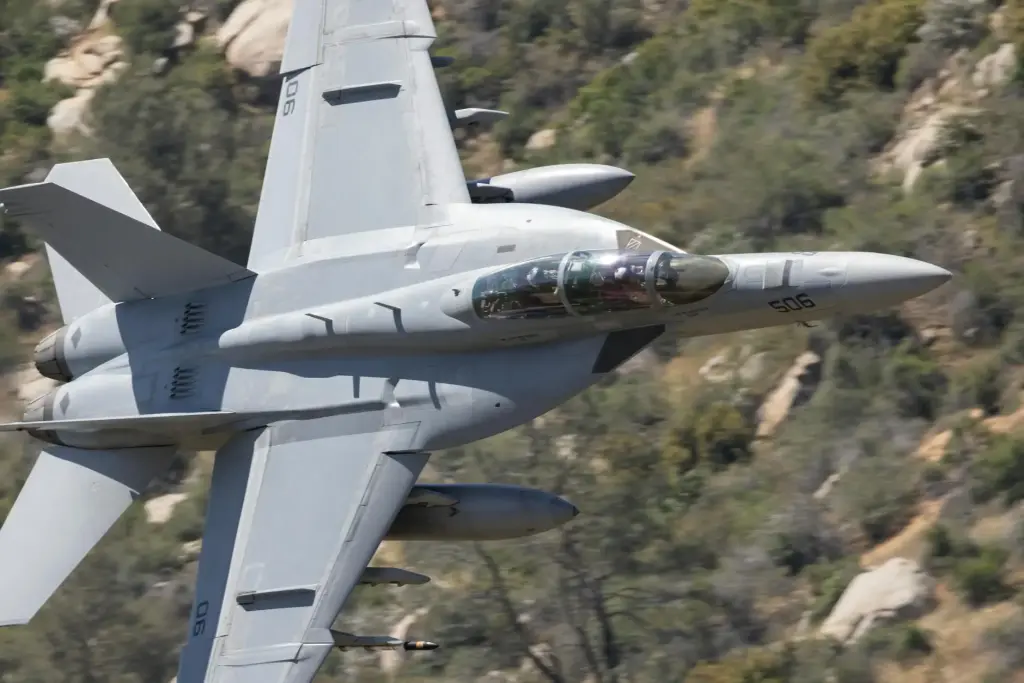
Spain has taken the extraordinary step of closing its airspace to all U.S. military aircraft involved in the ongoing war against Iran, according to reports from Spanish newspaper El País and confirmation from Defense Minister Margarita Robles. This dramatic Spain airspace Iran war move marks a significant escalation in European opposition to the Trump-led military campaign and represents one of the strongest rebukes yet from a NATO ally. The decision puts Spain at odds with traditional allies and signals a major shift in European foreign policy.
The airspace ban applies to any American military planes participating in the Iran conflict, including those stationed in other countries or seeking to refuel in Spanish territory. This development follows other recent international tensions, including reports that Spain had previously banned U.S. warplanes from using its military bases. According to the Associated Press, the restriction won't be enforced during emergency situations, but it forces military aircraft to completely reroute around Spain when traveling to targets in the Middle East.
The timing of Spain's airspace closure couldn't be more significant. As the conflict enters its fifth week, international pressure is mounting on all sides to find a diplomatic solution. This situation has drawn comparisons to other major geopolitical shifts we've covered, including Trump's threats to seize Iranian oil. Despite nascent ceasefire talks being facilitated by Pakistan, military operations continue with no clear end in sight. Spain's decision to close its skies sends a powerful message that not all Western allies are willing to support the ongoing military operations indefinitely.
Trump's Trade Threat and NATO's Growing Rift
President Donald Trump responded to Spain's earlier restrictions with fury, threatening to cut off all trade with the country. "We don't want anything to do with Spain," Trump stated publicly after the base restrictions were announced. As reported by Forbes, neither Trump nor the White House have issued any public response to this latest airspace closure, leaving the diplomatic standoff in limbo as military operations continue. This Spain airspace Iran war situation continues to escalate.
The conflict began on February 28, 2026, when the United States and Israel launched coordinated strikes against Iran. Since then, thousands have been killed in Iran including at least 217 children, according to estimates from human rights groups. Hundreds of American troops have been injured, and at least 13 U.S. service members have lost their lives in the fighting. U.S. officials say their conditions for ending the war include Iran's complete dismantling of its nuclear weapons program, though Iran reportedly rejected one ceasefire proposal just last week.
Spain's stance represents a dramatic shift in European positioning on the conflict. While French officials have expressed concerns that the strikes violate international peace law, and German Chancellor Friedrich Merz initially supported Trump before becoming more critical, Spain has emerged as the most outspoken European opponent to the war. Among NATO allies, only Canada and four smaller European nations have publicly backed the U.S.-Israel military campaign, highlighting the significant divide within the alliance.
The Military Impact and Broader Implications
The Pentagon has deployed more than 50,000 troops to the Middle East, including 2,500 Marines with another similar-sized contingent on the way. Spain's airspace closure creates significant logistical challenges for U.S. forces, forcing longer flight paths and potentially complicating supply lines and rapid response capabilities during critical operations. This Spain airspace Iran war development highlights growing tensions between traditional allies that could reshape NATO's future.
Switzerland has also rejected two U.S. flyover requests related to the Iran war, citing strict neutrality rules that only permit humanitarian and medical transports. These European restrictions highlight growing international discomfort with the escalating conflict, even as oil prices surge nearly 60% since the war began. The economic ripple effects are being felt globally, with transportation costs rising and energy markets experiencing unprecedented volatility.
Spain's bold move raises questions about the future of NATO unity and whether other European allies might follow suit with similar restrictions. For Gen Z watching global events unfold, this represents a rare moment where a European power is publicly standing up to American military policy, potentially reshaping how future international conflicts receive support from traditional allies. The situation also underscores how deeply divided the international community remains on how to handle the Iran crisis, with no clear consensus emerging despite weeks of sustained military action and mounting civilian casualties.
As the war continues with no end in sight, Spain's airspace ban serves as a stark reminder that military alliances are being tested like never before. Whether this leads to broader European resistance or simply remains an isolated case of Spanish defiance will likely depend on how the conflict evolves in the coming weeks.
Comments 0
No comments yet. Be the first to share your thoughts!
Leave a comment
Share your thoughts. Your email will not be published.