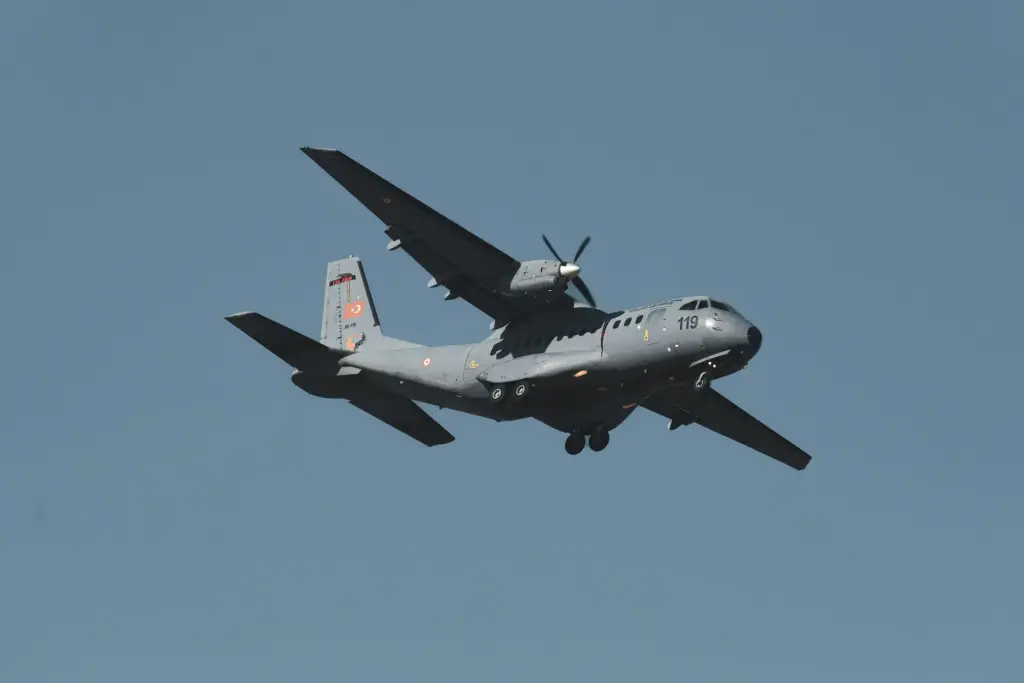
Spain bans US warplanes from its airspace in a stunning move that has sent shockwaves through NATO and the international community. Spanish Defense Minister Margarita Robles confirmed the decision on Monday, making Spain the most outspoken European opponent to the ongoing war in Iran. The bold stance represents a significant fracture within the Western military alliance that has dominated global security for decades.
"We don't authorize either the use of military bases or the use of airspace for actions related to the war in Iran," Robles told reporters in Madrid according to AP News. This confirmation that Spain bans US warplanes from its territory marks a dramatic escalation in Spain's opposition to the military conflict, which Spanish Prime Minister Pedro Sánchez has previously described as illegal, reckless, and unjust under international law.
The decision goes far beyond Spain's earlier refusal to allow the US use of jointly operated military bases at Rota and Morón in southern Spain. As reported by Reuters, Economy Minister Carlos Cuerpo explained the government's position during an interview with Spanish radio Cadena Ser, stating the move reflects Spain's commitment to not participate in or contribute to what it sees as a war initiated unilaterally and against established international law.
Spain Bans US Warplanes: What This Means For NATO
When Spain bans US warplanes from its airspace, it forces American military aircraft to bypass the NATO member country entirely when flying to targets in the Middle East. This rerouting creates logistical complications for US operations in the region, where more than 50,000 American troops are now stationed according to recent reports from ABC News. The airspace closure reportedly does not apply to emergency situations, but it represents an unprecedented challenge to US military flexibility within European territory.
Spain's decision to ban US warplanes demonstrates that even long-standing NATO alliances are being tested by the current conflict in Iran. For Gen Z readers following global events, this development signals a shifting geopolitical landscape where traditional partnerships are no longer guaranteed. Sources including Forbes and Military.com have highlighted the growing rift between Madrid and Washington over military policy and international cooperation.
President Donald Trump has responded aggressively to Spain's opposition. According to multiple sources, Trump threatened earlier this month to cut off all trade with Spain over its refusal to allow US bases to be used for Iran operations. This economic threat against a NATO ally underscores the unprecedented nature of the current situation and raises serious questions about the future of transatlantic cooperation and alliance structures.
International Reaction and What's Next
The fact that Spain bans US warplanes from its airspace has drawn attention from across Europe and beyond. As the war enters its fifth week, Spain's stance puts pressure on other NATO members to examine their own positions on the conflict. The move could potentially influence other European nations to reconsider their level of support for the military campaign, particularly as concerns grow about the conflict's expansion and humanitarian consequences.
Spanish Prime Minister Pedro Sánchez has been one of the most vocal critics of the US and Israeli attacks on Iran, consistently calling out what he sees as violations of international law. His government's decision to close Spanish airspace to American warplanes reflects this principled opposition, even at the risk of economic retaliation from Washington. The stance has positioned Spain as a leader among European nations questioning the legitimacy of the ongoing military operations and demanding diplomatic solutions.
For young people concerned about global affairs, Spain's bold move demonstrates that smaller nations can stand up to superpowers when they believe international law is being violated. Whether this leads to broader changes in how NATO allies cooperate or results in meaningful diplomatic shifts remains uncertain, but the message from Madrid is clear: Spain bans US warplanes because it believes the Iran war is illegal, and it's willing to face the consequences to make that point on the world stage.
Comments 0
No comments yet. Be the first to share your thoughts!
Leave a comment
Share your thoughts. Your email will not be published.