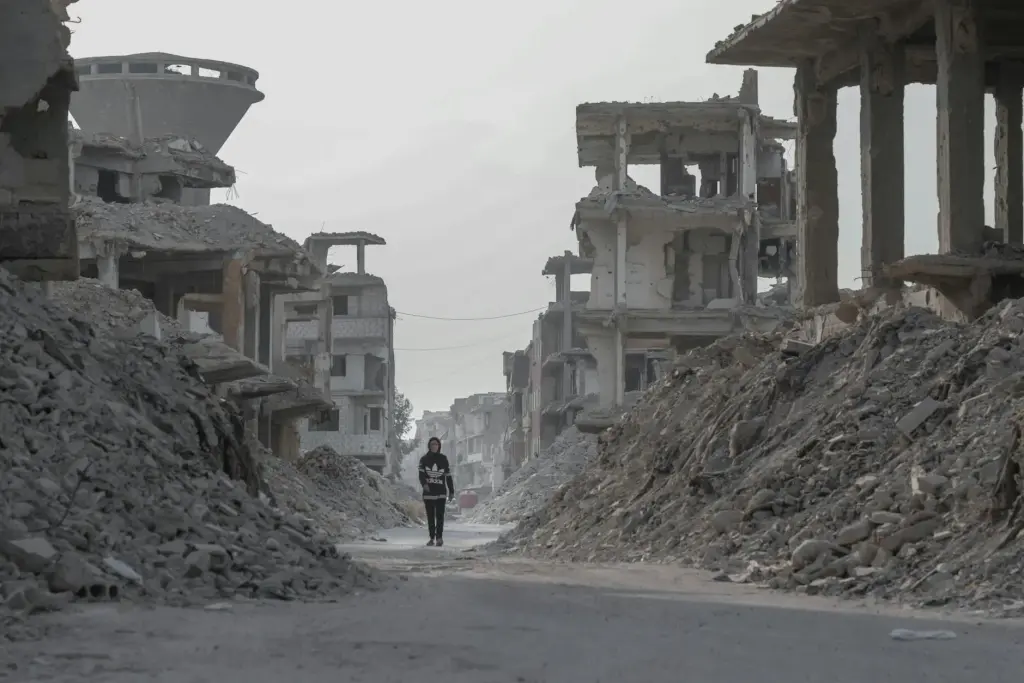
The US Israel Iran war has been escalating for three weeks, and it shows no signs of slowing down. CNN reports that the conflict between the US-Israel coalition and Iran has entered what officials are calling a decisive phase. For Gen Zers scrolling through their feeds, this is not just another distant geopolitical headline it is directly impacting gas prices at the pump, global stock markets, and potentially the entire economic future. The US Israel Iran war is no longer happening somewhere else to someone else it is the reality right now.
How We Got Here: The US Israel Iran War Explained
The current US Israel Iran war traces its roots back months, with tensions reaching a boiling point when Irans supreme leader was killed at the start of the US-Israeli offensive. According to Press TV, Iranian Foreign Minister Araghchi has stated that Iran has not requested a ceasefire and will fight as long as necessary. This firm stance combined with reports that Israel may be running critically low on interceptors paints a grim picture. IRGC officials have noted that most missiles being used are a decade old and that the US does not dare enter the Persian Gulf, highlighting just how risky this geopolitical chess match has become.
Bloomberg reports that China has been closely observing Americas military performance against Iran, gaining highly valuable intelligence that could shape their plans for any future conflict over Taiwan. This is a huge deal. While Washington is distracted in the Middle East, Beijing is taking notes and potentially preparing for their own moves in the Indo-Pacific. The US Israel Iran war is creating a strategic opening for China that could reshape global power dynamics for decades. More coverage of this developing situation is available in the The World section.
The Economic Ripple Effects Are Already Here
NBC News reports that the national average for a gallon of gas has hit $3.54 amid the Iran war, and oil tankers have been struck in the Strait of Hormuz, a critical chokepoint for global energy supplies. The Trump administration has also claimed to have obliterated Kharg Island, Irans main oil hub, which has sent shockwaves through global energy markets. These are not abstract military actions they translate directly into higher prices at the gas station and grocery store for young people already struggling with inflation and student loan debt.
According to multiple financial analysts, the US Israel Iran war is causing markets to slide as oil supplies become uncertain. Every time someone fills up their car, checks their bank balance, or wonders why everything costs so much, this war is partially to blame. Experts studying this conflict believe it could trigger a global recession if it continues much longer, which would hit Gen Z hardest as members of this generation enter the job market. Additional analysis on how conflicts impact wallets is available in the Investing GenZ section.
North Korea Profiting While the World Burns
According to CNN reporting, a new report has found that North Korea has earned up to $14.4 billion in value from selling weapons, ammunition, and supplying troops to Russia during the Ukraine war. This demonstrates how the US Israel Iran war and other global conflicts create dangerous economic incentives for rogue nations to keep fighting. North Korea is essentially monetizing global instability, and that is a terrifying precedent for a generation that will inherit a world full of armed and funded dictator states. The international arms trade is booming because of conflicts like this one.
Newsweek reports that there is growing concern the conflict may drive Iran to seek nuclear weapons. Mousavian told the publication that Irans nuclear doctrine will ultimately depend on the end state of the current US-Israel war and how Tehran assesses its long-term security environment after the conflict. A nuclear Iran would destabilize the entire Middle East and trigger a new arms race that could make Cold War tensions look like childs play. Gen Z will be dealing with these consequences for the rest of their lives.
For young people wondering whether to care about foreign policy, the answer is a resounding yes. The US Israel Iran war is reshaping global alliances, draining resources from climate action and education, and creating economic uncertainty that hits Gen Z hardest. According to the Straits Times, Israel and Lebanon are expected to hold direct talks in the coming days, showing how this conflict is pulling in neighboring countries and creating a wider war. Hezbollah opened fire on Israel on March 2, retaliating for the killing of Irans supreme leader, and now Lebanon is being drawn deeper into the quagmire. This is exactly what experts feared would happen, and it is happening in real-time. Everyone should stay informed about the US Israel Iran war, demand better answers from world leaders, and remember that this is the future being negotiated without young people in the room.
Comments 0
No comments yet. Be the first to share your thoughts!
Leave a comment
Share your thoughts. Your email will not be published.