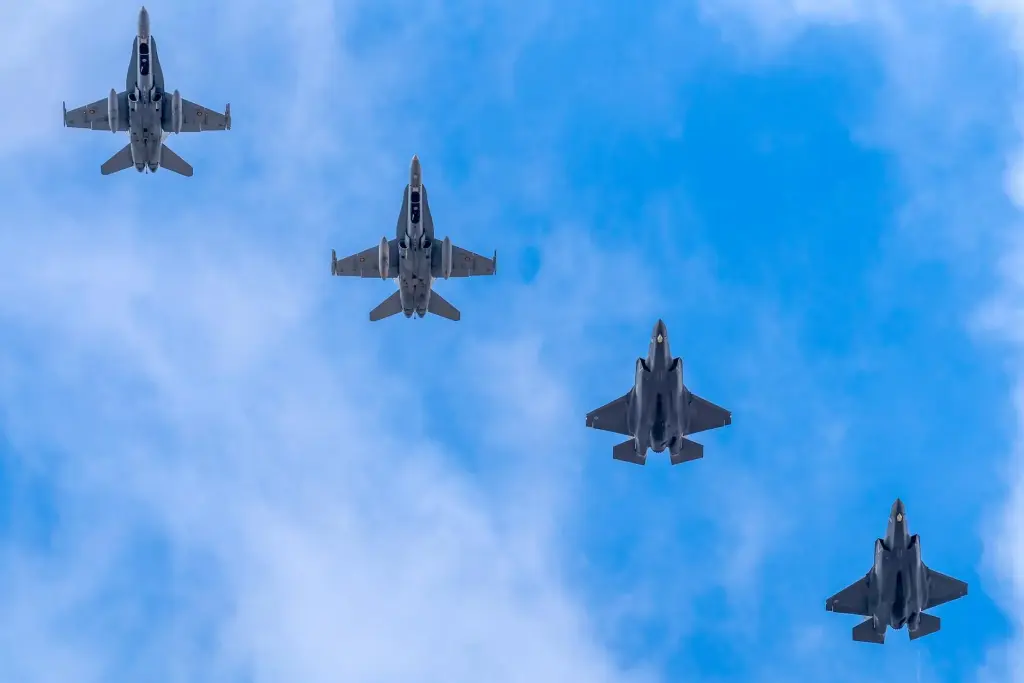
The Israel-Iran war has been raging for three weeks now, and the conflict shows no signs of slowing down. According to CNN, the US-Israel military campaign against Iran continues to escalate as both sides exchange airstrikes and the humanitarian toll keeps climbing. For generations watching from their screens, this represents the biggest geopolitical crisis unfolding in real-time.
The Global Impact of the Israel-Iran War
The Israel-Iran war is not just a regional conflict—it is shaking the entire global economy. The New York Times reported that the war has triggered chaos in global oil markets, with prices fluctuating wildly as supply chains face disruption. According to recent analysis, just one week of this conflict has cost an estimated $11 billion, and that number keeps growing. This means higher gas prices, increased shipping costs, and economic ripple effects that will hit everyones wallet. The International Monetary Fund has warned that continued instability could push the global economy into recession. The World Bank is also monitoring the situation closely.
AP News reports that more than half the world population is seeing journalism from this conflict daily through major international outlets. The Israel-Iran war has become the most covered story in the world right now, and its implications stretch far beyond the Middle East. World leaders are scrambling to respond, and the decisions made in the coming weeks could reshape international relations for decades to come. European Union foreign ministers have held emergency sessions to discuss coordinated responses.
According to Haaretz, analysts are comparing the Israel-Iran conflict to Vietnam for Israeli Prime Minister Benjamin Netanyahu, suggesting his military strategy may be backfiring politically. The geopolitical stakes could not be higher as the United States and its allies navigate this complex situation. The Straits of Hormuz, through which a fifth of the worlds oil passes, has become a flashpoint for potential further escalation.
Reuters reports that tensions in the Strait of Hormuz have prompted President Trump to ask allies for naval support to protect shipping lanes. This highlights just how critical the region is to global trade and energy supplies. Any disruption to this chokepoint could send oil prices soaring even higher. The US Navy has increased its presence in the Persian Gulf as a precautionary measure. For comprehensive coverage of global energy markets, visit Reuters Energy News.
The Israel-Iran war is affecting everyday life across the globe in tangible ways. From grocery prices to vacation travel costs, the economic ramifications are being felt by millions. Financial analysts predict that this situation could lead to a prolonged period of economic uncertainty.
Journalism and Propaganda in Conflict Zones
Pope Leo recently weighed in on media coverage of the Israel-Iran war, warning that news reporting should not become a megaphone for power. As reported by Deadline, the Pope called on journalists to depict human suffering rather than amplifying propaganda. This represents a crucial reminder for news consumers: what appears on social media is not always the full picture.
CNN reported that journalists have been directly endangered during coverage, with news crews barely escaping missile strikes in southern Lebanon. Frontline journalism in the Israel-Iran conflict is some of the most dangerous in the world right now, and reporters are risking their lives to bring the truth to audiences worldwide. The Committee to Protect Journalists has expressed grave concerns about journalist safety in the region.
The reality of the Israel-Iran war is that real people are dying—civilians, soldiers, and journalists caught in the crossfire. United Nations officials have called for humanitarian corridors to be established, but conditions on the ground remain dire. The UN High Commissioner for Refugees has warned of a potential refugee crisis.
The Israel-Iran war will continue to shape the world in ways that cannot be fully predicted yet. Staying informed and thinking critically about what is being reported represents the first step toward understanding this complex situation. The decisions being made today will affect futures for years to come.
For more coverage of breaking news and global events, check out related articles on The World and Politics at GenZ NewZ.
Comments 0
No comments yet. Be the first to share your thoughts!
Leave a comment
Share your thoughts. Your email will not be published.