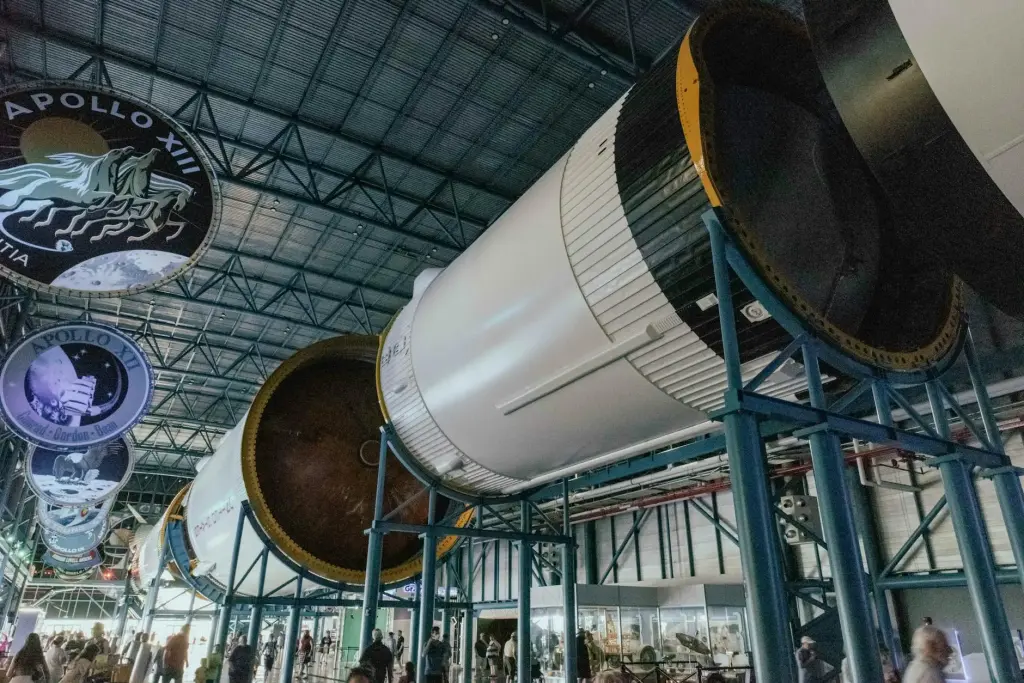
Space exploration 2025 has advanced human spaceflight capabilities significantly as NASA Artemis program preparations, International Space Station operations, and commercial space achievements pushed the boundaries of what humanity can accomplish beyond Earth orbit. The year has witnessed continued progress toward returning humans to the Moon while private companies have demonstrated the reliability and cost-effectiveness that commercial spaceflight can achieve through systematic innovation and operational experience accumulated over years of launches and missions. According to NASA 2025 news releases, four crew members of the SpaceX Crew-12 mission launched at 5:15 a.m. EST from Space Launch Complex 40 at Cape Canaveral Space Force Station for a science expedition aboard the International Space Station, demonstrating continued reliability of commercial crew transportation supporting continuous human presence in low Earth orbit.
Commercial Spaceflight Achieves New Milestones
The space exploration 2025 commercial sector has continued its transformation of how humanity accesses orbit through reusable rockets and increasingly capable spacecraft that have reduced costs while improving reliability for government and commercial customers seeking space access. SpaceX has maintained launch cadence that would have seemed impossible a decade ago, demonstrating that reusable rocket technology has matured from experimental concept to operational reality that fundamentally changes space economics. According to SpaceX mission updates documentation, the company has continued advancing Starship development alongside operational Falcon 9 and Dragon missions that prove commercial spaceflight can deliver consistent, reliable service for critical missions supporting scientific research and national security objectives.
The commercialization within space exploration 2025 has extended beyond launch services to include private space stations, massive satellite constellations, and in-space manufacturing representing new economic frontiers that attract entrepreneurs and investors seeking opportunities beyond traditional government-dominated space industry. Companies have announced plans for private space stations that will eventually replace the aging International Space Station, creating commercial destinations for research, manufacturing, and tourism that operate independently of government facilities requiring continuous budget appropriations. These developments represent fundamental shifts in how space activities are organized and funded, moving toward sustainable business models rather than programs dependent on political support for continued funding.
Artemis Program Prepares for Lunar Return
Space exploration 2025 has seen significant progress toward returning humans to the Moon through the Artemis program and international partnerships aiming to establish sustainable lunar presence rather than brief visits characteristic of Apollo era missions that ended fifty years ago. According to Astronomy magazine top 10 space stories, NASA Artemis 2 mission will send four astronauts around the Moon in the first crewed lunar flight since Apollo 17, representing a crucial step toward eventual lunar landing missions establishing infrastructure for long-term presence. This mission will test systems essential for safe human operations in deep space environments presenting challenges fundamentally different from low Earth orbit operations that have characterized human spaceflight since the final Apollo mission.
The lunar focus within space exploration 2025 reflects recognition that the Moon offers valuable resources, scientific opportunities, and a proving ground for technologies enabling eventual human missions to Mars and other destinations throughout the solar system requiring solutions to challenges unique to deep space environments. The discovery of water ice in permanently shadowed lunar craters has transformed planning for lunar operations, as this resource can potentially be converted to rocket fuel and life support consumables reducing mass that must be launched from Earth surface. For international partners seeking space development opportunities, participation in lunar missions offers pathways to develop capabilities while contributing to shared scientific and exploration goals benefiting all humanity.
Gen Z Career Opportunities in Expanding Space Sector
For Gen Z individuals inspired by space exploration 2025, the expanding commercial space sector offers career opportunities that previous generations could only find through government agencies with limited positions and competitive requirements that excluded many qualified candidates. Understanding the trajectory of space development helps young people prepare for careers designing spacecraft, operating missions, conducting research, or developing business models for space-based services becoming increasingly important as humanity extends its presence beyond Earth permanently. Building technical skills in engineering, computer science, and related fields while developing business acumen and professional networks positions aspiring space professionals for opportunities in rapidly evolving industry.
Whether pursuing careers directly in space industry or simply maintaining informed enthusiasm for exploration achievements, understanding space exploration 2025 developments enriches appreciation for human ingenuity and determination pushing boundaries of what is possible. Following mission developments, understanding the science behind space achievements, and recognizing the human stories behind technological accomplishments connects Gen Z individuals with humanity shared aspirations for exploration that have motivated generations to reach beyond current capabilities toward ambitious futures.
Comments 0
No comments yet. Be the first to share your thoughts!
Leave a comment
Share your thoughts. Your email will not be published.