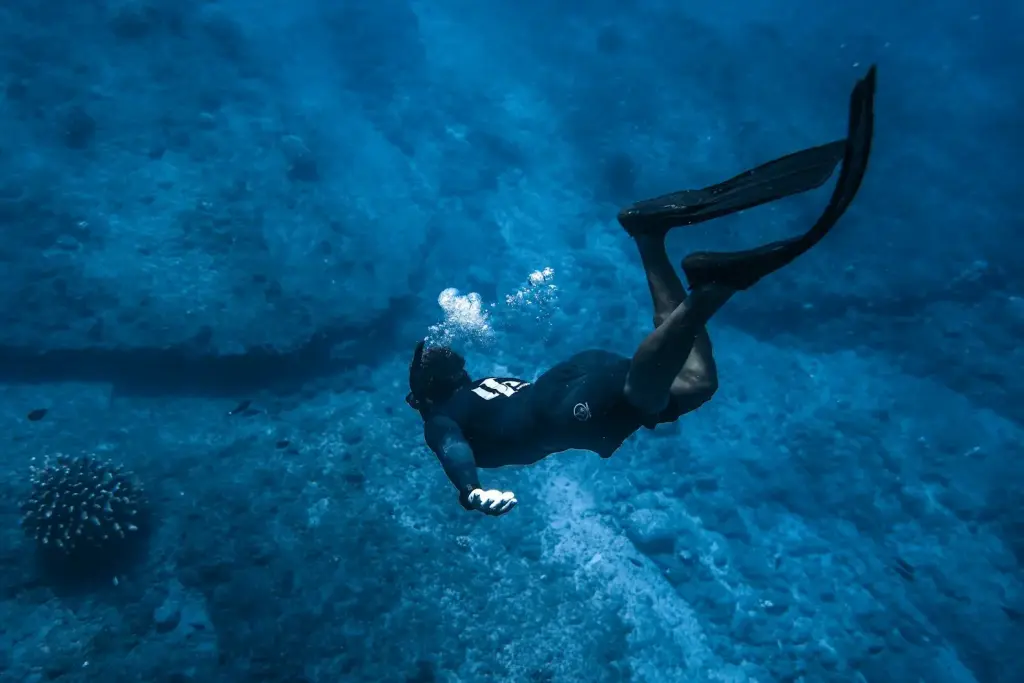
Deep ocean exploration represents one of the most frontiers of scientific discovery, with vast uncharted territories holding secrets about Earth's biodiversity, geology, and climate. The deep ocean, defined as the water column below 200 meters, covers more than 60% of the planet's surface, yet less than 20% has been systematically mapped or studied. Advances in robotics, imaging, and sensor technology are revolutionizing deep ocean exploration, enabling researchers to uncover new species, underwater mountain ranges, and potential resources. According to a recent report from NOAA, deep ocean exploration has led to the discovery of over 2,000 new species in the past decade alone, underscoring the immense potential of this field.
The Uncharted Depths: Why Deep Ocean Exploration Matters
The deep ocean remains one of the least understood environments on Earth, despite its critical role in regulating global climate and supporting unique ecosystems. Deep ocean exploration is essential for understanding the complex interactions between marine life, geological processes, and human impacts. The average depth of the ocean is approximately 3,688 meters, with the Mariana Trench plunging to depths of 11,034 meters—the deepest point on Earth. These extreme environments are home to organisms adapted to high pressure, near-freezing temperatures, and complete darkness, offering insights into life's resilience and evolution.
According to researchers at the Woods Hole Oceanographic Institution (WHOI), deep ocean exploration also plays a pivotal role in climate science. The deep ocean absorbs over 90% of the excess heat trapped by greenhouse gases, making it a crucial buffer against global warming. By studying ocean currents, temperature gradients, and carbon sequestration processes, scientists can refine climate models and predict future environmental changes. WHOI's expeditions have revealed that deep-sea sediments store vast amounts of carbon, highlighting the ocean's role in mitigating climate change.
Technological Advances in Deep Ocean Exploration
Modern deep ocean exploration relies on cutting-edge technology that allows researchers to venture into previously inaccessible depths. Remotely Operated Vehicles (ROVs) like Alvin and the Jason system enable scientists to observe and collect samples from the seafloor with precision. These submersibles are equipped with high-definition cameras, manipulator arms, and sensors that measure chemical and physical properties of the water. For example, during the 2023 expedition to the Mid-Cayman Rise, researchers used the ROV Jason to discover a new species of yeti crab at a depth of 2,300 meters, showcasing the power of deep ocean exploration.
Autonomous Underwater Vehicles (AUVs) are another cornerstone of deep ocean exploration. These unmanned robots can cover vast areas of the seafloor, mapping topography and collecting data without human intervention. The Sentry AUV, developed by WHOI, has been instrumental in creating detailed bathymetric maps of underwater volcanoes and hydrothermal vents. According to a study published in Nature, AUVs have increased the efficiency of deep ocean exploration by tenfold, allowing scientists to survey areas that were once too dangerous or time-consuming to explore.
Discoveries from the Deep: Species and Ecosystems
Deep ocean exploration has unveiled a wealth of biodiversity, with many species exhibiting unique adaptations to their extreme environments. In 2022, researchers aboard the NOAA ship *Okeanos Explorer* discovered a new species of anglerfish in the Puerto Rico Trench at a depth of 8,000 meters. This bioluminescent fish uses a glowing lure to attract prey in the perpetual darkness of the deep sea. Such discoveries underscore the importance of deep ocean exploration in expanding our understanding of life on Earth.
Hydrothermal vents are another focal point of deep ocean exploration. These underwater geysers, found at tectonic plate boundaries, support chemosynthetic ecosystems that thrive without sunlight. During the 2021 *Chemosynthetic Ecosystems* expedition, scientists discovered a new species of tube worm near the Galápagos Rift, challenging previous assumptions about vent species distribution. According to researchers from Science, these findings highlight the need for continued deep ocean exploration to protect fragile ecosystems from human activities like deep-sea mining.
The Role of International Collaboration
Deep ocean exploration is a global endeavor that requires international cooperation and shared resources. Initiatives like the *Ocean Exploration Trust* and the *Census of Marine Life* bring together scientists from around the world to study the deep ocean. The Schmidt Ocean Institute's *Falkor* research vessel, for instance, has partnered with WHOI and NOAA to explore the Clarion-Clipperton Zone, a region rich in polymetallic nodules. These collaborative efforts have led to the discovery of new species and improved understanding of deep-sea ecosystems.
International agreements, such as the *United Nations Convention on the Law of the Sea (UNCLOS)*, also play a crucial role in deep ocean exploration. These frameworks ensure that research activities are conducted responsibly, with minimal impact on the environment. According to NOAA, deep ocean exploration must be balanced with conservation efforts to protect vulnerable habitats from exploitation. The agency's *Ocean Exploration Program* works closely with global partners to promote sustainable practices in deep ocean exploration.
Economic and Resource Implications
The deep ocean holds significant economic potential, with vast reserves of minerals, oil, and gas. However, deep ocean exploration must be approached cautiously to avoid irreversible damage to fragile ecosystems. Polymetallic nodules, which contain manganese, cobalt, and nickel, are particularly sought after for use in renewable energy technologies. A 2023 study published in Science estimated that the Clarion-Clipperton Zone alone contains enough nodds to meet global demand for nickel for decades.
Despite these opportunities, deep ocean exploration poses risks to marine life. Mining activities can disrupt seafloor habitats and release toxic sediments, affecting species that have evolved over millennia. Researchers emphasize the need for comprehensive environmental impact assessments before any large-scale extraction. The *International Seabed Authority (ISA)* is developing regulations to govern deep ocean exploration and ensure that resource extraction is conducted sustainably.
Future Directions in Deep Ocean Exploration
The future of deep ocean exploration lies in interdisciplinary approaches that combine biology, geology, and technology. Emerging tools like artificial intelligence and machine learning are being used to analyze vast amounts of data collected during expeditions. For example, AI algorithms can identify new species from high-resolution images, accelerating the pace of discovery. According to WHOI, these advancements will make deep ocean exploration more efficient and accessible to researchers worldwide.
Another promising area is the use of environmental DNA (eDNA) to study deep-sea biodiversity. By analyzing genetic material shed by organisms into the water, scientists can identify species without disturbing their habitats. A 2022 expedition to the Atacama Trench used eDNA to detect over 100 previously unknown species, demonstrating the potential of this technique in deep ocean exploration.
Challenges and Ethical Considerations
Despite its potential, deep ocean exploration faces numerous challenges, including funding limitations, technical constraints, and ethical dilemmas. The high cost of deploying ROVs and AUVs often restricts research to well-funded institutions. Additionally, the remoteness of deep-sea environments makes it difficult to monitor and enforce conservation measures.
Ethical questions also arise regarding the ownership of discoveries and the equitable sharing of benefits from deep ocean exploration. The *Nagoya Protocol* seeks to address these issues by ensuring that genetic resources are used fairly and that local communities benefit from scientific advancements. As deep ocean exploration continues to expand, it is essential to uphold these principles to foster trust and collaboration among nations.
Conclusion: The Enduring Allure of the Deep
Deep ocean exploration is a testament to humanity's curiosity and ingenuity, offering a glimpse into one of Earth's most mysterious realms. From discovering new species to understanding climate change, the insights gained from deep ocean exploration are invaluable for the future of our planet. As technology advances and international collaboration grows, the deep ocean will continue to reveal its secrets, inspiring awe and driving scientific progress. According to NOAA, the next decade of deep ocean exploration will be defined by innovation, sustainability, and a renewed commitment to protecting the ocean's fragile ecosystems.
In the words of one researcher, "Deep ocean exploration is not just about what we find—it's about how we choose to protect it." With responsible stewardship, the deep ocean can remain a source of discovery and wonder for generations to come.
Comments 0
No comments yet. Be the first to share your thoughts!
Leave a comment
Share your thoughts. Your email will not be published.