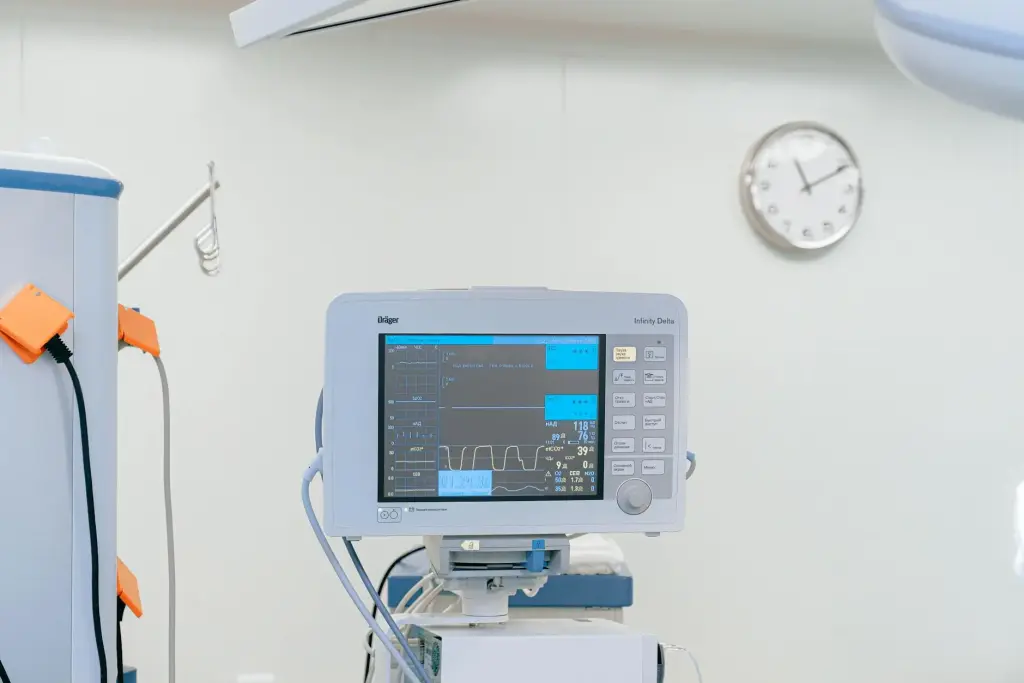
Artificial intelligence is delivering clear return on investment in healthcare settings in 2026, accelerating every aspect of medical practice from radiology and drug discovery to medical device manufacturing and new treatment development methodologies. The medical AI transformation represents a maturing of healthcare AI from experimental pilots to integral clinical workflows and administrative operations that deliver measurable improvements in patient outcomes and operational efficiency across healthcare organizations of all sizes. This medical AI evolution reflects years of development, validation, and regulatory engagement that have prepared AI tools for real-world clinical deployment at scale.
Medical AI Scribes Revolutionize Clinical Documentation
One of the most impactful medical AI applications has been the deployment of AI scribes that automatically transcribe and structure clinical encounters between healthcare providers and patients. As documented by The Medical Futurist, more health institutions are sharing stories about how medical AI scribes help doctors focus fully on patient interactions rather than documentation burdens that have contributed to widespread physician burnout. This medical AI application addresses one of the leading causes of healthcare professional dissatisfaction while simultaneously improving the quality and completeness of medical records for patient care continuity. For organizations evaluating healthcare AI platforms, AI scribe technology represents an immediate productivity improvement with clear return on investment.
The medical AI scribe implications extend beyond simple transcription to include automatic coding suggestions, identification of missing information, and alerts for potential diagnostic considerations that might otherwise be overlooked during busy clinical encounters. These medical AI capabilities augment physician decision-making rather than replacing it, creating a collaborative model that leverages AI pattern recognition while maintaining human judgment and empathy in patient care. According to Nature research publications, ambient clinical intelligence powered by medical AI is becoming standard in health systems seeking to reduce documentation burden while improving clinical capture accuracy. This development parallels other accessible AI model development making advanced technology available to smaller healthcare organizations.
Medical AI Drug Discovery and Precision Medicine Advances
Medical AI is dramatically accelerating drug discovery timelines that traditionally spanned decades from initial research through clinical trials to market approval. According to Forbes healthcare technology analysis, generative medical AI in drug discovery represents one of the breakthrough technology trends transforming healthcare, with AI agents supporting research and development processes from target identification through clinical trial optimization and regulatory submission preparation. The medical AI economic implications are substantial for pharmaceutical companies and patients alike, potentially reducing development costs by billions of dollars per successful drug while accelerating time to market for life-saving treatments.
As noted by Mass General Brigham, medical AI is moving from the peak of inflated expectations to the early slope of enlightenment on the Gartner Hype Cycle, a sign that practical medical AI applications are delivering real value rather than just theoretical promise. This medical AI maturation reflects accumulated evidence of clinical utility across multiple domains including radiology interpretation, pathology analysis, and treatment response prediction that improves patient outcomes while reducing costs. For healthcare systems investing in AI-powered platforms, medical AI represents a strategic priority with demonstrated clinical benefits.
Healthcare Provider Adoption and Implementation Challenges
The medical AI transformation presents both opportunities and implementation challenges for healthcare providers navigating regulatory requirements, integration complexities, and change management needs across diverse clinical environments. According to Health Affairs policy research, successful medical AI deployment requires attention to workflow integration, training investments, and ongoing performance monitoring to ensure AI tools enhance rather than disrupt clinical care delivery. Healthcare organizations implementing medical AI solutions report that change management and clinical adoption often present greater challenges than technical integration with existing electronic health record systems.
The combination of improved diagnostics, accelerated drug development, and operational efficiency gains positions 2026 as a pivotal year for medical AI adoption, with implications for patient outcomes, healthcare costs, and the medical profession itself as technology becomes a trusted partner in care delivery. Medical AI tools that demonstrate clear clinical benefits while addressing practical workflow needs are achieving widespread adoption, while solutions that fail to integrate smoothly into clinical workflows face resistance regardless of technical sophistication. Market observers predict continued medical AI innovation across both clinical and administrative applications as healthcare systems seek to improve outcomes while managing costs in an increasingly value-based reimbursement environment.
Comments 0
No comments yet. Be the first to share your thoughts!
Leave a comment
Share your thoughts. Your email will not be published.