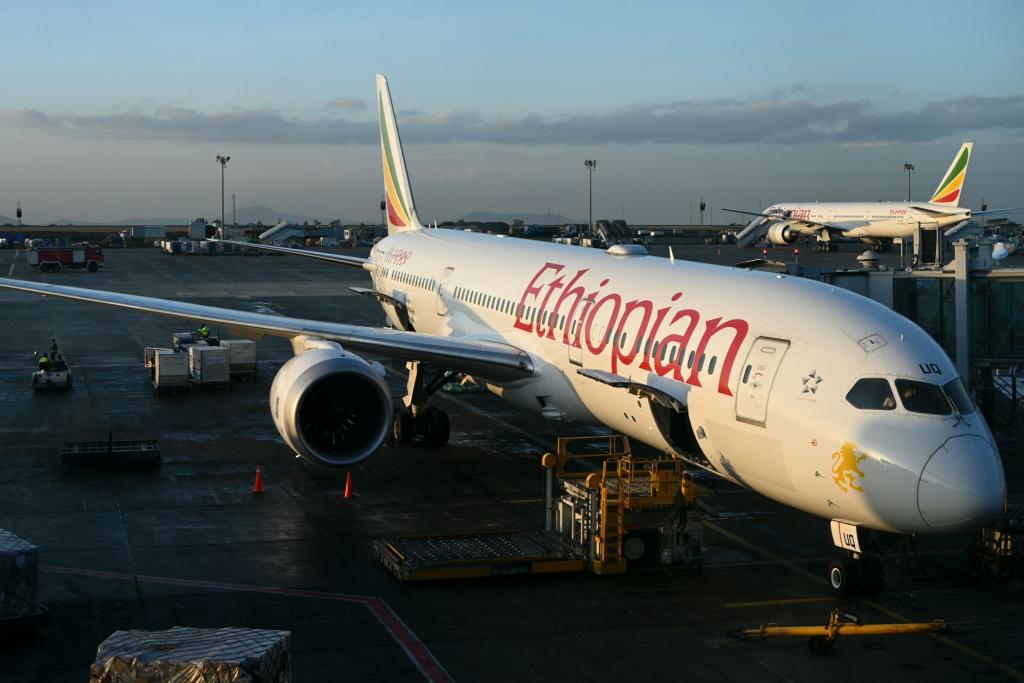
The airline that carried your first spring break trip is about to fly farther than it ever has. Southwest Airlines, the all-narrowbody carrier that defined budget flying for a generation, is leaning toward ordering the Boeing 787 Dreamliner as its first widebody jet, according to a Reuters exclusive published in October 2026. Sources familiar with the carrier's fleet planning say the Southwest Dreamliner idea is the front-runner in an internal debate over dozens of long-haul jets, and it could put the low-cost airline on runways across the Atlantic within a few years.
For Gen Z, this is not just an aviation story. It is the end of an era. The carrier that grew up alongside you has spent the past two years dismantling the perks that made it feel different from every other airline: open seating is gone, free checked bags are gone, and now the biggest budget airline in America is shopping for the same widebody jets the legacy giants fly to Paris and Tokyo, a Southwest Dreamliner future that would have been unthinkable five years ago.
The plan is far from finalized. The Reuters reporting says no final aircraft decision has been made, and the debate is running through the board's Fleet Oversight Committee. Chief financial officer Tom Doxey has been fielding analyst questions about the long-haul idea since September, while the airline publicly insists it has no fleet news to share. But the fact that the Southwest Dreamliner conversation has reached this level at all tells you how completely the company's ambitions have changed.
The old Southwest is already gone
The widebody talk is the latest chapter in a transformation that began under pressure from activist investor Elliott, which seized influence over the airline's board a couple of years ago and pushed for an overhaul of the business model, according to Paddle Your Own Kanoo. Out went the decades-old open seating policy. Out went free checked luggage. In came a stack of new fare types designed to squeeze more revenue out of every seat.
Then came the premium push: assigned seating, extra-legroom seats, airport lounges in the works, and a premium credit card aimed at travelers who once would never have looked twice at the brand. Last year, chief executive Bob Jordan confirmed the airline was studying long-haul options, with routes to Europe and Latin America under examination and Africa and Asia on the table, as reported by Paddle Your Own Kanoo — a move that set the stage for the current Southwest Dreamliner debate. The carrier has even filed federal paperwork seeking authority to fly to countries covered by American air-travel treaties, and it has invoked clauses in its pilot and flight attendant contracts to start negotiating what long-haul flying would mean for crews.
What a Southwest Dreamliner means for your wallet
Here is why this matters for your next big trip. Long-haul flying has always been the legacy carriers' fortress: Delta, United, American and their foreign partners set the prices, and budget airlines have mostly stayed home. But Southwest spent decades forcing domestic fares down simply by showing up. If a Southwest Dreamliner fleet starts crossing the Atlantic, the same price pressure could hit routes to Europe that currently cost young travelers a month of rent.
The practical details are still taking shape, but the outlines are visible. The Dreamliner's range would let it reach nearly every destination on the carrier's wish list from either American coast, according to Paddle Your Own Kanoo. Getting new jets quickly will be hard, since fresh delivery slots are spoken for through the end of the decade, so analysts expect leased or secondhand aircraft to be the likely path, with a target of getting airborne within a few years, according to Simple Flying. A Southwest Dreamliner order would also be the first time the airline's famous loyalty program could take you somewhere that requires a passport and an ocean crossing.
There is a service puzzle to solve, too. Southwest's current galleys were not built for substantial hot meals or proper beverage cart service, and its flight attendant contract was written for a domestic operation with only short hops into Mexico, Central America and the Caribbean. Long-haul flying means renegotiating all of that, from crew rest rules to what actually gets served at thirty-five thousand feet.
The fine print: this is not a done deal
Before you start pricing out Lisbon, remember the caveats. The board has not voted, dozens of aircraft are reportedly being weighed, and Airbus is actively courting Southwest with its own long-haul options, including smaller narrowbody jets that could cross the Atlantic more cheaply than any widebody, according to Paddle Your Own Kanoo. Walking away from a single-aircraft-type operation that the entire company was built around would add enormous complexity, and plenty of analysts are skeptical the math works for a carrier whose identity was simplicity.
Still, the direction of travel is unmistakable. Whether or not the Southwest Dreamliner plan survives the boardroom, the budget airline you grew up with has already been replaced by something more ambitious: assigned seats, lounges, a premium card, and now a genuine shot at intercontinental flying. If you want to explore how travel is changing for young flyers, or how AI travel planning is becoming Gen Z's new travel agent, the through line is the same. The era of the scrappy little domestic airline is over. The Southwest Dreamliner era might be next.
Comments 0
No comments yet. Be the first to share your thoughts!
Leave a comment
Share your thoughts. Your email will not be published.