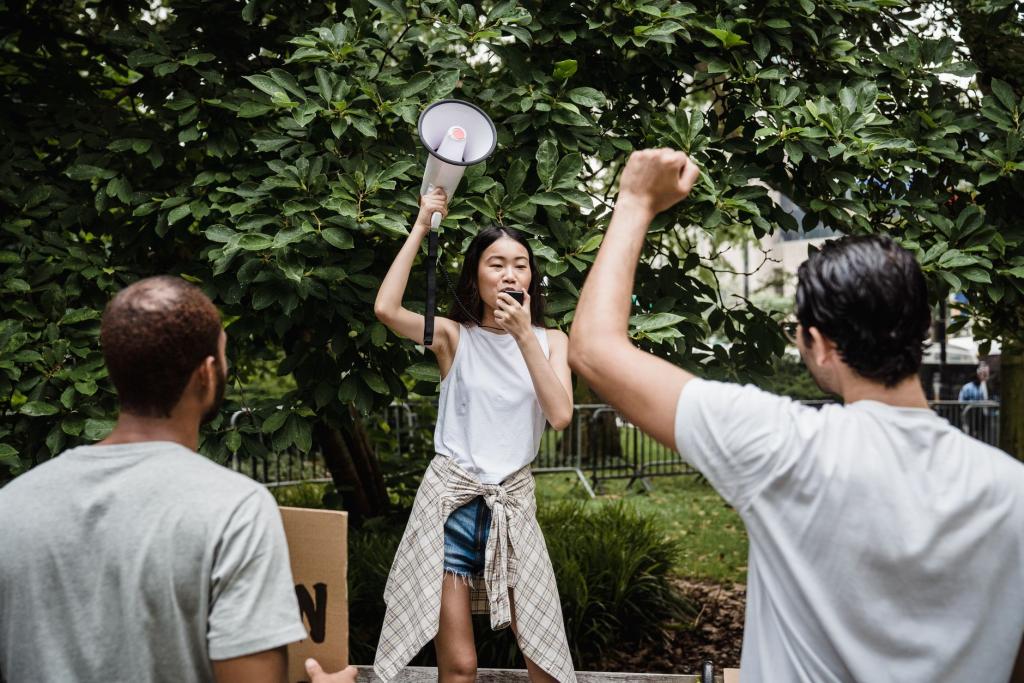
Gen Z Outreach Camps are becoming the centerpiece of the Rashtriya Swayamsevak Sangh's bid to win over India's youngest generation. RSS chief Mohan Bhagwat will spend the final days of October in central India, headlining youth camps and strategy meetings in Madhya Pradesh and Chhattisgarh aimed squarely at Indians under forty, according to Indian media reports.
The headline stop is Jabalpur, Madhya Pradesh, where Bhagwat will lead a three-day programme in late October 2026. On the middle day of the visit he is scheduled to address a camp for Gen-Z swayamsevaks drawn from Mahakoshal Prant, before sitting down with local office-bearers and provincial executive teams to review organisational work and contemporary issues, according to Inshorts, citing Moneycontrol.
Just before that, the RSS chief is expected in Chhattisgarh for a two-day tour. Around one hundred and fifty office-bearers are expected at a department-level meeting, while about a hundred representatives from affiliated organisations join a state executive session, reported by Dainik Jagran's regional edition. On the table: a possible split of the Chhattisgarh unit into two — one covering Bilaspur and Surguja, the other Raipur, Durg and Bastar — with a second regional head, a change reportedly aimed at next January. Expanding the organisation's district-level network is a stated priority, and the youth push is explicit: the programme places emphasis on connecting with people below forty through activities, training sessions and outreach framed around nation-building and unity, the report adds. Its presence is reportedly stronger in the plains than in the Bastar region, making expansion there a focus.
Why the Sangh is courting young Indians now
The October swing follows a remarkable experiment in August 2026, when Bhagwat sat through a two-hour unscripted exchange with students that was streamed live. The session, billed "The Role of Youth in Uniting the World, the Indian Way," took questions on protests, sexuality, reservation policy and algorithms without a teleprompter or a pre-vetted question list, according to an analysis by commentator Karan Bir Singh Sidhu. It was a notable departure for an organisation better known for closed-door deliberation than open interrogation.
During that exchange, Bhagwat struck a conciliatory note toward young protesters, defending their right to protest and describing their grievances as genuine. "Gen Z and Gen Alpha ask questions; they want logical answers," he said, calling the new generation more honest than its predecessors and arguing that appeals to patriotism and service would resonate with them. The tone drew praise across party lines: BJP lawmaker Mayank Nayak welcomed the outreach, while opposition MP Misa Bharti called the comments fair but questioned how the government itself has handled student protests, according to the Indian Economic Observer's account of the remarks.
What the Gen Z Outreach Camps will actually test
Critics are not convinced the warmth is new. Analysts note Bhagwat has staged similar outreach at politically charged moments before — in 2016 after demonetisation and in 2020 after the farmers' agitation — and one examination of the August session argued the participants were drawn largely from elite backgrounds, deliberately separated from the ordinary students who had taken to the streets. The sceptics' case is that the organisation speaks to youth when youth movements threaten to speak past it.
That threat is not abstract. Gen Z-led movements have helped drive political change in Nepal, Sri Lanka and Bangladesh in recent years. At home, the numbers explain the attention: more than half of the country's roughly one-point-four billion people are under thirty-five, making Generation Z one of the most influential voting blocs heading toward the 2029 general election. For an organisation that does not contest elections but has long shaped the cadre and direction of its political arm, the BJP, the arithmetic is impossible to ignore.
For young Indians, the outreach push raises a live question: whether engagement with the country's oldest volunteer organisation means dialogue or recruitment. The Sangh was founded in 1925 as the ideological parent of the wider Sangh Parivar, and the October camps will be the clearest test yet of whether these Gen Z Outreach Camps are a genuine conversation — or, as the critics charge, a pragmatic reset timed for the electoral calendar. The youth-politics beat is heating up across South Asia, from campus activism debates in London to India's own youth movements, and the RSS clearly intends to be part of the conversation rather than its subject.
Comments 0
No comments yet. Be the first to share your thoughts!
Leave a comment
Share your thoughts. Your email will not be published.