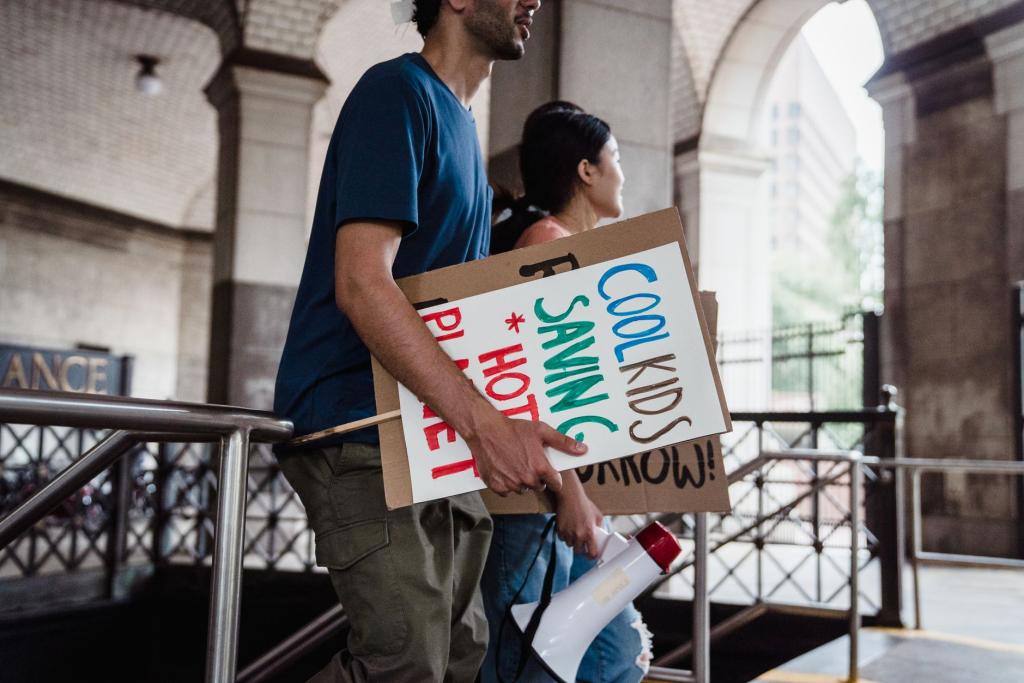
The teenagers who forced Montana to reckon with the climate crisis are back in court — this time with backup. A coalition of seventeen organizations, including healthcare providers, youth organizations and climate advocates, has filed a lawsuit against the Montana Public Service Commission for refusing to recognize that it has a constitutional duty to consider climate change when regulating the state's gas and electric utilities, according to an Earthjustice press release published this week. The Montana Youth Climate Lawsuit does not ask the court to write energy policy. It asks the court to make the state's utility regulator do what Montana courts have already said the government must do: account for the climate costs of its decisions.
The suit lands on an unusual target. Most youth climate litigation aims at legislatures or environmental agencies. This one aims at the five elected commissioners who decide what monopoly utilities can charge the people of Montana — a body whose rulings shape household budgets and the state's emissions at the same time.
A two-and-a-half-year standoff ends in court
The road to the lawsuit started in February 2024, when the same coalition petitioned the commission to confirm its constitutional obligation to account for climate costs and risks in its decisions. The PSC held a public hearing that April. Then, according to the release, nearly two and a half years passed before the commission resolved the petition in September 2026 — by refusing to recognize any such obligation.
While the petition sat, the commission kept making consequential calls. The release points to the Yellowstone County Generating Station, a 175-megawatt methane gas plant in Laurel, as the clearest example: the regulator approved NorthWestern Energy's request to pass the plant's high construction and operating costs on to customers. In December 2025, the commission went further and approved an increase to customers' electricity bills, in part to pay for that same facility. For the groups suing, those decisions show what happens when a regulator pretends climate risk does not exist: the bills land on ratepayers, and the fossil infrastructure keeps getting built.
Held v. Montana changed the playbook
This is not the first time young Montanans have dragged the state into court over the climate. In the historic Held v. Montana trial, youth plaintiffs won a ruling that, under the state constitution, Montanans hold a fundamental right to a clean and healthful environment — one that includes the climate as part of the environmental life-support system. The Montana Supreme Court upheld that decision in December 2024, finding that the government's duty to protect that right is affirmative, not optional.
The new case builds directly on that legacy, and the contrast shows how the strategy has matured. Where Held challenged the state's permitting framework head-on, this suit goes after the money mechanics: the rate cases and cost approvals that decide whether utilities keep investing in fossil-fuel infrastructure or shift toward cleaner options. Youth organizations are once again at the center of it, alongside pediatricians, hunters and anglers, and renewable-energy advocates. A similar fight is playing out north of the border — the La Rose climate trial, where fifteen young people took the Canadian government to court after seven years of waiting, and a youth-led challenge that could reshape how Canada weighs climate in its own decisions.
Why your utility bill is a climate story
For Gen Z readers, utility regulation sounds dry until the bill arrives. But that is exactly the point the coalition is making: every dollar baked into rates to keep a gas plant running is a dollar flowing toward the emissions that are already changing life in the state. Wildfire smoke now chokes Montana summers, floods and severe storms disrupt towns, and the people paying for the infrastructure driving those changes are the same people breathing the smoke.
Pediatricians in the coalition describe the stakes in human terms. "Montana children are growing up with climate-related disasters that are no longer distant or abstract," said Patricia M. Notario, MD, FAAP, president of the Montana Chapter of the American Academy of Pediatrics, in the release. "Wildfire smoke can make it difficult for a child with asthma to breathe, floods and severe weather can disrupt homes, schools and medical care." Young people will live with the consequences of the energy choices made today, said Forward Montana executive director Alice Boyer in the release — which is why her youth organization joined the suit.
The other side of the argument
The commission has not publicly answered the lawsuit yet, and its defenders would likely point to the job it was elected to do: keep the lights on and rates manageable. A regulator focused on short-term affordability might argue that existing gas plants are the reliable option, and that adding climate considerations to rate cases would complicate decisions or push bills higher in the near term.
The coalition's answer is that ignoring climate is what raises bills in the long run. The release notes that utility commissions in other states routinely weigh climate costs in their decisions — making Montana's regulator the outlier, not the pioneer. When a commission locks in decades of payments for a fossil plant without pricing in climate risk, the groups argue, it is not protecting affordability. It is just delaying the invoice, as young climate activists worldwide have been warning for years.
If the Montana Youth Climate Lawsuit succeeds, the practical effect would be less dramatic than a courtroom verdict but arguably more durable: every future rate case, plant approval and utility planning decision in the state would have to account for the climate damage attached to it. Held v. Montana established the right. This case asks who has to honor it, and how. Watch for the state's response filing, which will reveal whether the commission defends its refusal on legal grounds — or finally starts reading the climate into the rates.
Comments 0
No comments yet. Be the first to share your thoughts!
Leave a comment
Share your thoughts. Your email will not be published.