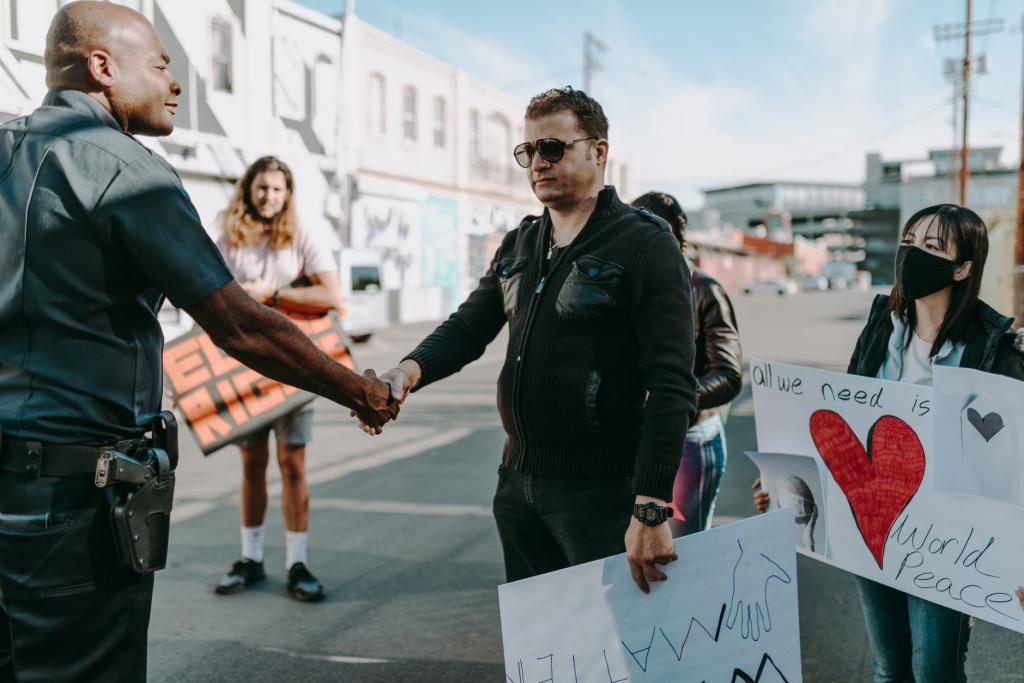
French student protests have turned into the biggest test of Emmanuel Macron's government this autumn, and on Thursday the prime minister said the movement no longer looks like a school campaign at all. Sébastien Lecornu told reporters the wave of demonstrations is now "a movement of urban violence," just two days before hundreds of rallies are planned across the country.
What the prime minister actually said
According to Reuters, Lecornu warned that authorities fear unrest during the weekend protests, which have been called to mark the anniversary of the Yellow Vest movement that paralysed France in twenty nineteen. He also gave a bleak read on the national mood. "We are in an atmosphere of perma-crisis: wars, inflation, and issues surrounding purchasing power," he said.
The government has not tried to wave the students away. Reuters reports that Lecornu and his ministers have said the grievances are legitimate, and student leaders were due to sit down with officials at the education ministry on Thursday afternoon. So the message is mixed: we hear you, but we will not tolerate the violence.
How a school complaint became a national crisis
The blockades started in mid-September in the suburbs of Paris and spread fast. Euronews reports that the grievances include teacher shortages, poor facilities and overcrowded classrooms. Students are also angry about the Parcoursup system that decides who gets into university, which many see as a stressful lottery.
Tuesday was the biggest day so far. Euronews reports that authorities estimated one hundred sixty-one thousand five hundred people joined rallies nationwide, with forty-one thousand five hundred in Paris. Unions put the national figure far higher, at roughly four hundred eighty thousand. That gap alone tells you how contested this whole story has become.
Clashes, arrests and the police question
Tuesday also got ugly. At the Place Vauban near Les Invalides, protesters threw bottles, fireworks and stones, and police answered with water cannons and teargas, according to Euronews. Interior Minister Laurent Nuñez said eleven officers were hospitalised and called it a "particularly gruelling" day for law enforcement.
The numbers on the other side are heavy too. Euronews reports that since the movement began, more than six thousand eight hundred people have been taken into police custody, and eighty-six percent of them were minors. The police watchdog IGPN has opened thirty-six investigations. The government also suspended one type of stun grenade after a fifteen-year-old pupil lost his hand during a police operation outside a school earlier this month.
Rights groups are watching closely. Anne Savinel-Barras, president of Amnesty International France, said authorities "must avoid unnecessary and excessive use of force." Meanwhile, a police union leader told Euronews that force is only legitimate when there is a real disturbance, and that he does not like the word repression.
Why the government is nervous about Saturday
Saturday is the real pressure point. Student unions want their protests to merge with the wider cost-of-living marches over rising fuel prices, and some demonstrators in Paris said exactly that. "Anger which has been building up for years is coming together, and the student movement was the spark that lit the fuse," one protester told Euronews.
Government spokesperson Maud Bregeon said Macron believes young people's anxieties are real but are being "exploited politically." Lecornu also pointed to mortar-style fireworks fired at schools and intrusions into buildings. Reports from teleSUR say he put the number of high schools with entrenched violence at around two hundred out of thirty-seven hundred, so the vast majority are still peaceful.
The government has tried a few fixes already, including three thousand substitute teachers sent to some schools. Students call that insufficient. Greta Thunberg joined a protest in Saint-Denis and said "young people are not being included in the conversation." That line captures why this keeps growing.
What to watch next
Expect heavy policing on Saturday and a lot of livestreams. If the day stays mostly peaceful, the government can argue the violence was a fringe. If it does not, the "urban violence" label will stick, and the students' actual demands could get buried under a security debate. For more on youth-led movements, check our world coverage.
This is a generation that came of age through a pandemic, wars and rising prices, now telling the state that classrooms are falling apart. Whether Paris answers with money or with riot shields will decide how long these French student protests last. Read the full reports from Euronews and Reuters via AOL.
Comments 0
No comments yet. Be the first to share your thoughts!
Leave a comment
Share your thoughts. Your email will not be published.