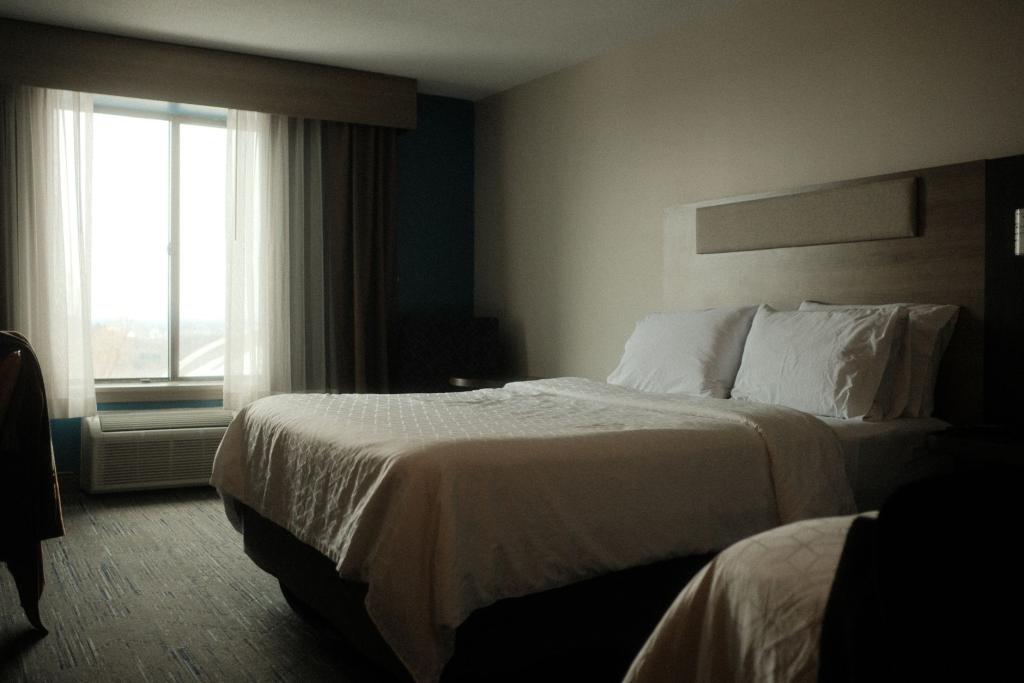
The hotel room used to be where you slept between sightseeing. For Gen Z, it is increasingly the whole trip. Room Rotting — travelling specifically to do very little — is the headline entry in a new travel vocabulary, and the data behind it says the do-nothing holiday is now a mainstream booking strategy.
A clear majority of young travellers now set off with the intention of doing nothing at all on the trip — about two in three, according to Airbnb's "Never the Same" report on young Indian travellers, produced with the research firm YouGov. Four in five spend at least half the trip inside their accommodation rather than out sightseeing. The logic translates easily: for a generation reporting record burnout, a holiday packed with activities can feel like another checklist, so the goal shifts from exploration to restoration.
A whole dictionary for doing less
The report coins more than one term. The micro-cation — a getaway of one to three days — fits a life where most young travellers book within days or weeks of departure, and nearly nine in ten prefer trips lasting under a week. De-influenced travel pushes the other way: almost everyone surveyed wanted trips that felt personal rather than pre-planned, with nine in ten actively seeking undiscovered places over viral hotspots. The common thread is control: spontaneity, mood and identity over bucket lists, as Airbnb's newsroom explains in its write-up of the findings.
It is the same impulse behind the small-town tilt. Nearly three-quarters of Gen Z leisure travellers would rather pick a small town than a well-known city for a trip this year, according to Airbnb booking data reported by Travel Tomorrow — and more than six in ten said being among the first people they know to visit a place feels like a status symbol. Room rotting and first-to-discover travel look like opposites, but they share a root: the trip should feel like yours, not like everyone else's itinerary.
The industry is already selling the rot
Hotels have noticed. Outlook Traveller this week rounded up properties from Udaipur to Darjeeling purpose-built for travellers who never leave the room — places where the stay becomes the destination. The pitch writes itself: order in, watch the view, nap on schedule. Luxury properties are leaning into the moment because the room-rotter is a dream guest: present, paying, and entirely unbothered by the concierge's recommendations.
There is a budget logic under the luxury gloss, too. Skipping the attraction circuit cuts one kind of spending — tickets, tours, transport — but room-rotters are simply moving that money into the room itself. The upgrade is the experience. It is the same reallocation instinct behind the season's other travel stories, from Gen Z turning Halloween into a full travel weekend to the new era of biometric borders reshaping how trips begin: the journey is being redesigned around how it feels, not how much it covers.
The name comes with a wink. Room Rotting borrows its language from "bed rotting," the much-memed habit of spending a day horizontal at home — except now the bed has a view, a minibar and a checkout time. Done well, it has its own etiquette: pick the stay as the destination rather than an afterthought, travel short enough that the guilt never arrives, and treat the slow hours as the itinerary. For a generation that books escape trips after a rough week the way previous ones booked therapy, that is not laziness. It is triage.
The counterpoint: is a holiday you never leave still travel?
Critics call it an expensive way to stay home — the carbon cost of a flight for a change of wallpaper. The trend's defenders answer that rest is the point, and that with most travellers spending half their trip indoors anyway, the industry is arguably just catching up to behaviour that already exists. There is also a quieter reading: a generation that grew up performing its life online may simply be done performing its holidays, too.
Whatever the motive, the numbers give the movement weight. When the majority of young travellers plan to do nothing and then actually do it, "lazy" stops being a criticism and starts being a market segment. The suitcase still gets packed. It just gets unpacked more slowly — and, for once, nobody is in a hurry to repack it.
Comments 0
No comments yet. Be the first to share your thoughts!
Leave a comment
Share your thoughts. Your email will not be published.