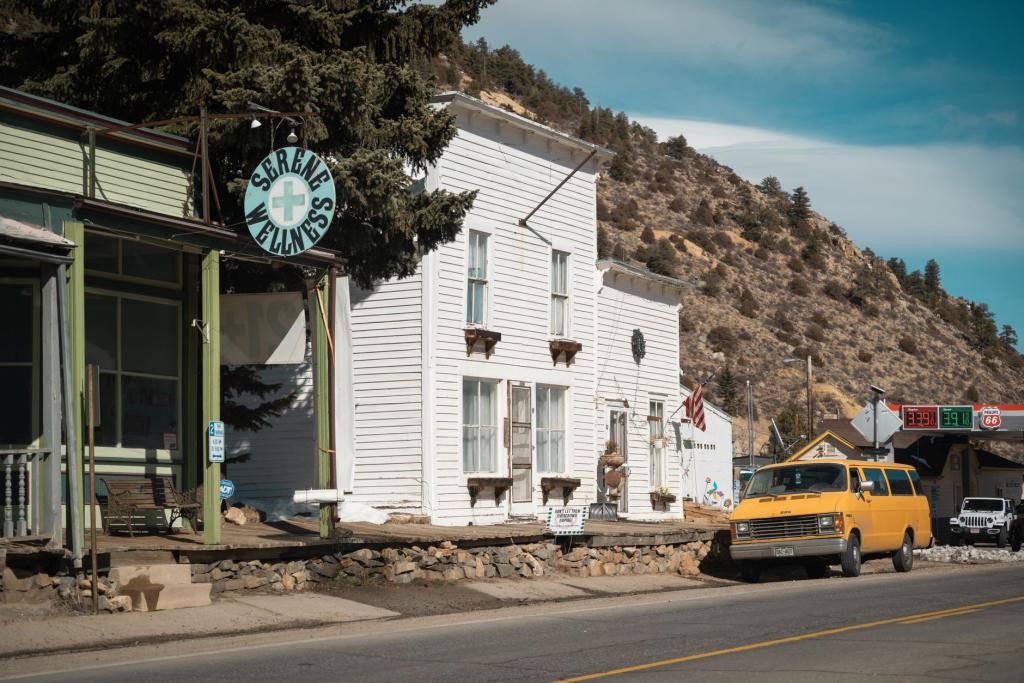
Gen Z's wanderlust has a new name: Lore-Tripping. Airbnb's fall travel report gives the trend a label — planning trips around destinations with a story, legend or oddity behind them — and the numbers suggest young travelers were already doing it. Nine in ten surveyed Gen Z travelers say small towns and under-the-radar destinations appeal to them this fall, drawn by lower costs, local culture and the feeling of getting somewhere before the group chat does.
The search data backs the hype, according to the company's fall travel report. Twentynine Palms, the desert gateway near Joshua Tree National Park, saw searches among young travelers climb by more than fifty percent this fall. Hot Springs, Arkansas jumped by about a third, and Helen, Georgia rose fifteen percent. Around half of the demographic's fall bookings are for small towns, and one in two Gen Z respondents has already booked a trip — a pace that suggests the season's itineraries are already taking shape.
What counts as lore
The lore-tripping map reads like a roadside-attraction fever dream. Point Pleasant, West Virginia earned its spot as the home of the fabled Mothman, while Leavenworth, Washington — once a logging town — reinvented itself as a Bavarian-style village. Other rising names include Tannersville and Jim Thorpe in Pennsylvania, Blue Ridge in Georgia, Blowing Rock in North Carolina and Fayetteville in West Virginia. The common thread is not scenery alone but a backstory worth retelling.
That story-first instinct is the whole thesis. Alex Bender, Airbnb's senior communications manager, said the question on young travelers' minds when planning is "What's kind of the weirdest, most interesting story behind a place?", according to his interview with AOL, as reported by Future Party. The quote captures a generation that treats a destination's lore as the attraction itself — and that is happy to trade a famous landmark for a local legend.
The small-town playbook beats the landmark race
The shift marks a real break from big-city tourism. According to industry reporting on the fall data, affordability, local culture and attractions found only in one place are the top reasons small towns win. Instead of racing from landmark to landmark, the goal becomes slowing down and letting the destination surprise you — a rhythm that fits limited vacation days and tight budgets better than a packed international itinerary.
For the towns themselves, the attention is a genuine economic event. The booking wave redirects travel dollars toward independent motels, diners and ticket counters that rarely see national attention — a quiet transfer from packed landmark cities to the places everyone else used to skip. That is the deeper story behind the search spikes: the generation priced out of the big-ticket itinerary is funding the stops along the old highway instead.
It also rhymes with how young travelers are already planning around passions rather than places. Recent food-first travel trends show four in five Gen Z and millennial travelers would build a trip around a meal; lore-tripping is the same impulse pointed at local history instead of the menu. And for anyone who caught the romance of slow rail, our own look at Europe's revived night trains makes the same case: the journey is the point.
The catch hiding in the small print
There is a paradox baked into the trend. The moment an under-the-radar destination becomes the answer to a survey, it is no longer under the radar. Search spikes like the ones in the desert town and the mountain village can strain the small businesses, short-term rentals and quiet streets that made the places appealing — and push prices up for the very travelers who came for affordability.
There is also a practical limit. Lore-Tripping runs on road trips: the Mothman museum and the mountain villages are easiest to reach with a car, which leaves out travelers without one. And not every legend survives contact with a crowd. Still, for a generation that keeps choosing experiences over landmarks — and weekend-length trips over weeklong blowouts — the calculus holds: find the weirdest story a place has to tell, then go hear it in person. The lore was there all along; this is the first fall a whole generation showed up to listen.
Comments 0
No comments yet. Be the first to share your thoughts!
Leave a comment
Share your thoughts. Your email will not be published.