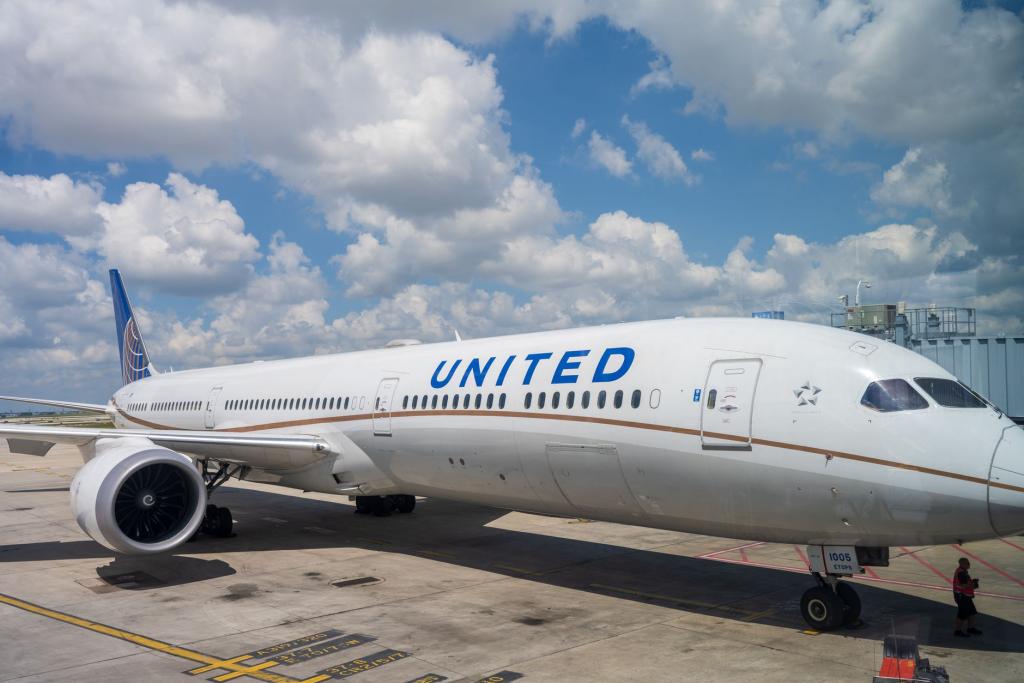
An American Airlines emergency landing unfolded over Chicago on Friday, October 16, after smoke poured from a galley trash can minutes into a Dallas-bound flight. Flight AA618, a Boeing 737-800 carrying 180 passengers and crew, lifted off from O'Hare at 12:19 pm. Before the jet could climb far, flight attendants spotted smoke coming from a trash can in the rear galley. The crew treated the smoke as a possible fire, and the pilots declared a Mayday and turned the jet back toward the airport it had just left.
The Mayday call and the return
The radio traffic captured the urgency of the moment. In communications with air traffic control, one of the pilots radioed the words no controller wants to hear: "Mayday, Mayday, Mayday, fire in the cabin." Controllers cleared the jet back into O'Hare and scrambled Airport Rescue and Fire vehicles to meet it on arrival, according to aviation outlet Simple Flying. Once on the ground, the crew decided the aircraft could taxi to a gate under its own power, with the fire trucks following close behind. No fire extinguisher was used, Simple Flying reported, citing NBC Chicago, and nobody on board was hurt.
The smoke came from a trash can in the rear galley, the airline said, but what put it there is not yet clear. Early accounts suggested the problem might have started in a rear lavatory bin, which raised the possibility that a passenger had tried to dispose of a lit cigarette there. The galley is where the flight attendants actually traced the smoke, and American offered no explanation for how the trash caught. American did not respond to requests for comment, aviation reports noted. The Federal Aviation Administration confirmed the jet landed back at O'Hare and said the incident is under investigation, according to local reports.
Why a smoking trash can is a Mayday event
To a passenger, a smoking trash can sounds small. To a flight crew, smoke inside the cabin is one of the most serious warnings an aircraft can give, because a fire hidden inside the airframe can spread in places nobody can reach quickly. Smoke also degrades the one thing a crew cannot do without, which is the crew's own ability to keep working the emergency, and that alone explains the Mayday. Crews train to declare an emergency first and sort out the cause later. The Mayday call on Friday did exactly that: it gave the jet priority to land, cleared traffic out of its way, and put rescue vehicles on the runway before the wheels touched down.
Controllers briefly halted airport operations while the jet returned and the emergency crews moved into position, aviation reports said, then resumed the normal flow once the aircraft was at the gate. American Airlines took the jet out of service for the rest of the day and found a replacement aircraft to carry the passengers to Dallas, who arrived about four hours behind schedule. For travelers watching from the terminal, the episode showed how fast a routine departure can change shape: the schedule comes second the moment the crew smells smoke.
The flight from the passengers' seats
The people on board felt the change of plan before anyone explained it. Climbing out of O'Hare is normally the quietest stretch of a flight, and a turn back toward the airport minutes after departure tells its own story. Once the jet was parked at the gate with the fire trucks trailing behind it, the tension broke the way it usually does after a scare: with relief, then with questions nobody on the crew could yet answer. American moved the passengers to a replacement aircraft, and they reached Dallas well behind schedule, with Friday's American Airlines emergency landing becoming the story they would tell first.
The jet's Mayday had nothing to do with the weather disruptions and labor actions hitting other parts of the air system this week. This was about a trash can, and the FAA inquiry will focus on a small question: how smoke got into that bin in the first place. Until the answer arrives, the crew has a textbook example of why the word Mayday exists, and the rest of the cabin has one more reason to take the safety briefing seriously.
Comments 0
No comments yet. Be the first to share your thoughts!
Leave a comment
Share your thoughts. Your email will not be published.