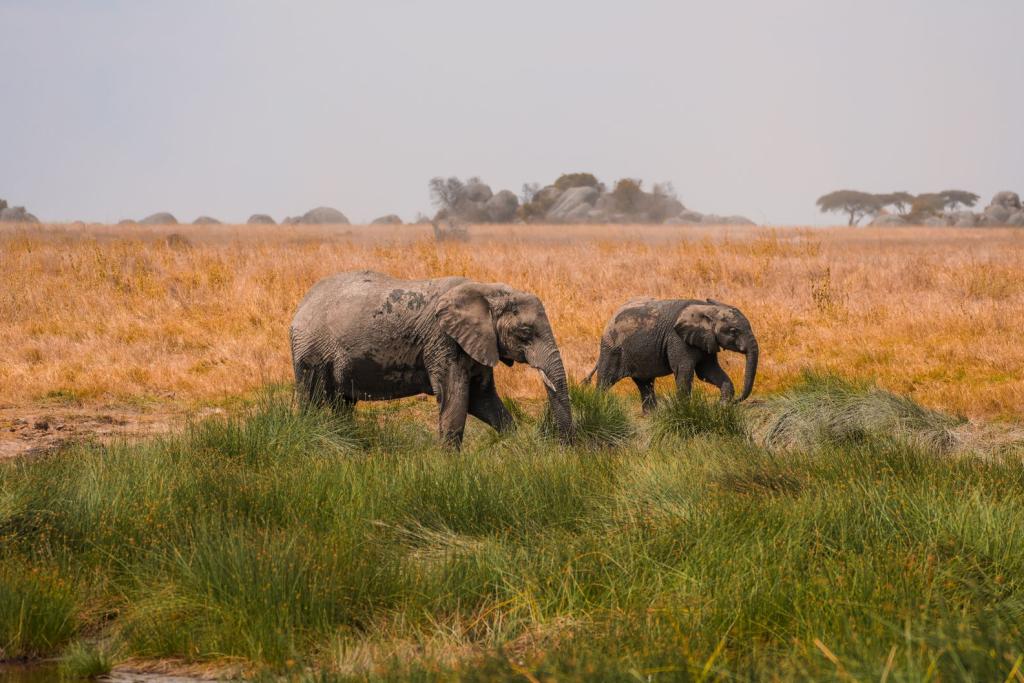
The Tanzania Travel Warning that has shadowed one of Africa's most popular safari destinations is easing. On October 16, 2026, the United States moved Tanzania from its stricter nationwide advisory tier — the one urging Americans to reconsider travel — to a lower tier advising them to exercise increased caution, according to the department's published advisory history.
The shift ends nearly a year of heightened caution that followed the country's disputed 2025 election, when American officials warned of protests and possible travel disruptions. It also lands at a moment when the stakes are unusually high: the country's tourism industry earned about four and a half billion dollars last year, and the United States remains its single biggest source of visitors.
The numbers explain why Washington's assessment carries weight. International arrivals climbed past two million last year, and tourism earnings grew roughly thirteen percent as visitors spent more per trip, according to coverage by Radar Africa. Safari operators, hotels, guides, and transport companies across the northern circuit and the Zanzibar archipelago all depend on the confidence of long-haul travelers — and few signals shape that confidence like an advisory downgrade from the market that sends the most of them.
What changed, and what did not
What changed is the nationwide guidance. What did not change is the fine print. Stricter advice remains in place for the Mtwara border region adjoining Mozambique, where the advisory cites terrorism risks along the A19 highway and requires special authorization for American government employees traveling there. The revised advisory also adds a health indicator flagging limited medical services, particularly outside Dar es Salaam and Arusha, alongside cautions about crime, unrest, and the targeting of gay and lesbian travelers.
The caution is not only American. Britain's foreign office advises against all but essential travel to parts of the country, and Canada urges a high degree of caution — a reminder that a downgrade is a recalibration, not an all-clear. Independent risk trackers still score the country in the elevated range, reflecting the same mix of crime, health, and regional security concerns, according to the Travel Risk Calculator's country file updated this week.
Why the timing matters for travelers
For anyone weighing a safari, the practical takeaway is nuanced. The downgrade removes a psychological barrier — tour operators report that many American travelers treat the stricter tier as a hard no — while leaving the on-the-ground cautions intact. Travelers are still advised to avoid the southern border region, plan for limited medical infrastructure outside major cities, and register trips with their embassy.
The timing also matters for the industry calendar. The downgrade arrives ahead of the peak booking window for the coming dry season, when operators lock in the itineraries that fill lodges across the Serengeti. A year of caution cost the sector momentum even as arrivals kept climbing; the new guidance gives marketers a cleaner story to tell without pretending the risks vanished. That is why this Tanzania Travel Warning update matters beyond the paperwork: advisories move bookings, and bookings move an entire supply chain of guides, drivers, hoteliers, and park staff.
Not everyone in the industry is celebrating. Some operators worry the fine print will keep the most cautious travelers on the sidelines: the border-region warning and the health indicator give risk-averse bookers reasons to hesitate, and a few outfitters say they would rather see the remaining cautions lifted before marketing this Tanzania Travel Warning change aggressively. Their counterpoint is that an advisory is only as reassuring as its exceptions — and this one still has several.
The broader context is a travel market full of mixed signals. Holiday airfares are running at a ten-year high even as new nonstop routes keep opening, and advisories keep shifting across the map — this year's biggest travel trends show how fast traveler confidence moves. For anyone eyeing East Africa, the smart move is the same one that applied under the stricter guidance: read the full advisory, not just the headline tier — and buy the trip insurance before the deposit, not after.
Comments 0
No comments yet. Be the first to share your thoughts!
Leave a comment
Share your thoughts. Your email will not be published.