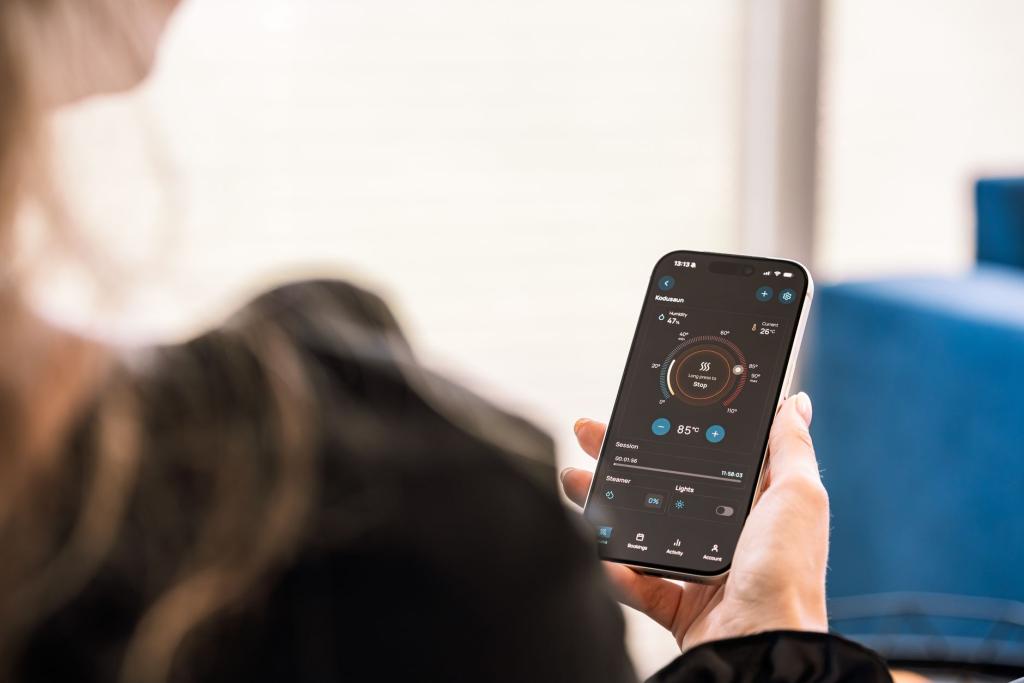
Recovery Apps have quietly become part of the modern hospital discharge. You wake up from surgery, the nurse hands you a stack of instructions, and somewhere in the packet is a link to download an app that will ask how you feel each day once you are home. A new analysis suggests those apps can genuinely catch trouble before it turns serious — but only if an actual clinician is reading what you send.
Researchers pulled together more than three dozen studies covering more than seven and a half thousand patients to see whether app-based check-ins improved recovery after surgery. Patients using the programs had roughly a fifth lower risk of major complications, emergency room visits fell by a similar margin, and repeat hospital stays dropped by about one in seven, according to the analysis, which was presented this week at a national anesthesia conference and reported by MedicalXpress.
What a daily check-in actually looks like
Most of the programs worked the same way. Patients opened a smartphone app or web portal once a day and reported on pain, fever, nausea, and how their surgical wound looked. Some programs went further, pairing the app with wearable fitness trackers or Bluetooth devices such as blood pressure cuffs, thermometers, and pulse oximeters that measure blood oxygen. The idea was to cover the days and weeks after discharge, when recovery moves from the hospital to the home and direct supervision mostly disappears.
The patients noticed the difference beyond the complication numbers. People in the monitoring programs reported less pain and anxiety, better physical function, improved quality of life, and greater satisfaction with their care than those getting standard follow-up. It is a reminder that recovery is not just about avoiding disaster; feeling monitored and supported changes how the weeks after surgery feel.
The human behind the screen is the actual medicine
Here is the catch, and it is a big one. The total number of complications did not fall in a statistically meaningful way. That means the apps are probably not preventing every problem so much as catching worrying symptoms early, before they escalate into emergencies, intensive care stays, or repeat operations. The benefit is triage, not prevention — an app that notices a fever trending upward on day four is worth more than one that simply logs it.
And triage only happens when someone is watching. Programs where a surgeon, nurse, or other clinician reviewed the check-ins and could act on them showed lower readmission rates. Programs without that review showed no reduction at all. As the lead researcher, a medical student at a Toronto university, told MedicalXpress, just using an app may not make recovery safer — the biggest benefit comes when a clinician is actually reviewing what patients send and can respond. That one sentence reframes the whole category: the app is the inbox, and Recovery Apps live or die by who is reading it.
What to ask before your next procedure
If you are offered a recovery app after surgery, the smart move is to ask three questions before you assume it is protecting you. First, who exactly reviews the information I submit — a member of my surgical team, a call center, or nobody? Second, how quickly will they respond if something looks wrong? Third, what is the protocol: a callback, a clinic visit, or a trip to the emergency room? When a clinician is behind the dashboard, using the app consistently can help the care team spot problems before they become emergencies. When nobody is behind it, you are typing symptoms into a void.
The pattern should look familiar. Digital health keeps rediscovering that technology amplifies care teams rather than replacing them — the same clinician-in-the-loop dynamic that separates useful telehealth from a glorified web form. Health tech that treats patients as data entry clerks for their own bodies tends to underdeliver; programs that route that data to a person who can act deliver real results, as this analysis and other recent health research keep demonstrating. For anyone headed into surgery this year, the takeaway is simple: download the app, but ask who is on the other end. And if you are the kind of person who tracks everything from sleep to steps, you already know the drill from the sleep and recovery debate — the data only matters if someone uses it.
Comments 0
No comments yet. Be the first to share your thoughts!
Leave a comment
Share your thoughts. Your email will not be published.