A doctor's prescription for loneliness might soon look less like a medication label and more like a field trip. The first large randomized trials of nature prescriptions for loneliness — clinicians referring lonely adults to group gardening, birdwatching or shared walks — cut loneliness scores by 11 percent at three months, 12 percent at six months and 17 percent at one year, according to the University of Colorado Boulder.
The findings, published in the October issue of Lancet Regional Health, come from a multinational project that tested nature prescriptions for loneliness in 1,200 adults across six cities in Europe, Latin America and Australia. The newest results center on Barcelona, where loneliness rates have doubled in recent years as multi-generational households have become less common and families have spread apart, as reported by News Medical.
What the trial actually did
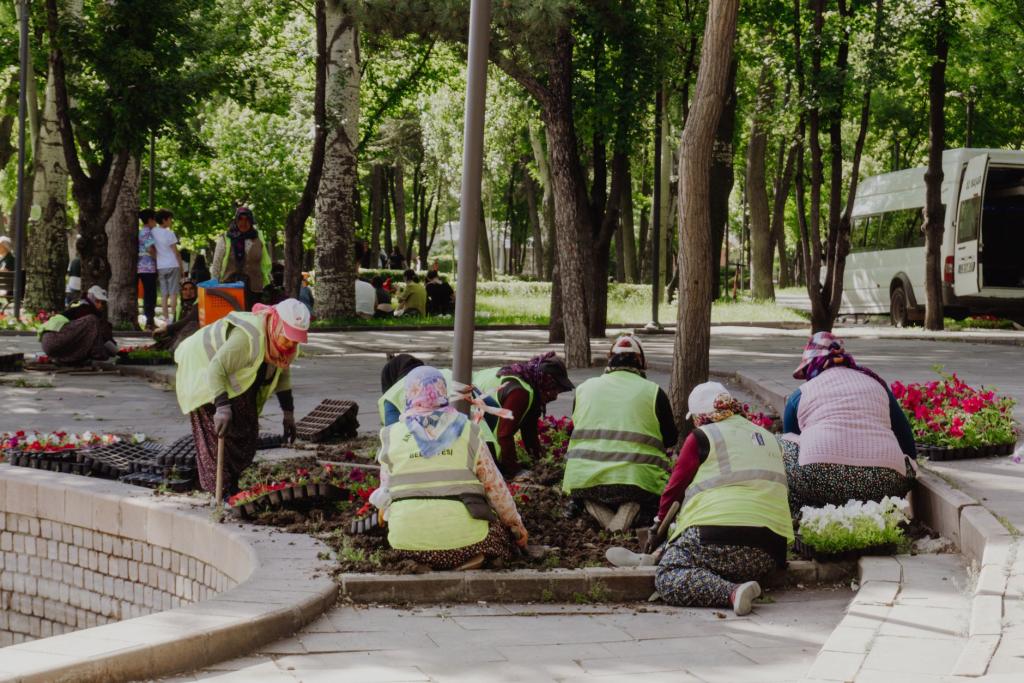
The Barcelona study enrolled 320 lonely older adults from 12 low-income neighborhoods. Half were placed in groups of eight to ten and spent two hours a week for nine weeks gardening, birdwatching or making nature-based art alongside two trained facilitators. The activities were chosen from a menu co-created by the local community. The other half received the same menu of free, easily accessible nature activities to do on their own — a comparison that let researchers isolate what the group format adds.
Both approaches helped, which is itself a finding: nature prescriptions for loneliness worked even without the group. But the group version worked better, especially for those who began with lower emotional wellbeing. Randomized trials now demonstrate that the approach works and that the effects last, said corresponding author Jill Litt, a professor of environmental health at CU Boulder and the project's principal investigator. Many participants, she noted, still meet for outdoor activities today.
The effort, known as RECETAS, launched in 2021 with a European Union grant worth 5.6 million dollars. It has also run randomized trials in Prague and Helsinki, plus quasi-experimental studies in Marseille, Cuenca in Ecuador and Melbourne. The results have been consistently promising, and public health agencies in Spain have already begun recognizing the group model as a best practice for addressing the loneliness epidemic.
Why nature makes the difference
Loneliness is not about being physically alone. As Litt explains, it is a "subjective disconnect between one's expectations of their social relationships and one's reality" — the reason someone can feel isolated in a crowded room. Chronic loneliness is linked to higher risks of cardiovascular disease, dementia, stroke, depression and anxiety, and it quietly burdens health systems: lonely people tend to visit doctors more often, sometimes seeking connection, and show up in emergency departments with vague complaints on Friday afternoons, a phenomenon researchers call "Friday afternoon syndrome."
Within nature prescriptions for loneliness, the green setting does real work. Litt says nature acts as an "additional facilitator," sharpening the therapeutic effect of the group: the sounds, smells and sights of a green space create a safe setting where social bonds form more easily. Participants put it more plainly, telling researchers that nature does not judge and that it is hard to stay angry outdoors. One 63-year-old participant said the outings taught her to contemplate and focus, and described meeting people and sharing the experience as wonderful.
Even solo time outdoors helped. Louise Chawla, an environmental psychologist and professor emerita at CU Boulder, said being in nature builds "this kind of reservoir of calm that we can return to later in life during stressful times" — restoration that works in memory as well as in the moment. Chawla recently co-authored a paper with Litt calling for more attention to nature's role in fostering social connection.
From pilot to prescription pad
Here is the counterpoint to keep in mind: a prescription for a birdwatching club is not a substitute for therapy, and this trial focused on older adults in specific cities. Still, the direction is hard to dismiss. With a shortage of mental health workers, the model of one therapist and one patient in an office is no longer realistic or affordable for many. Chawla said the field needs to think in broader terms, creating group healing activities in parks and community gardens rather than relying only on one-to-one therapy.
For young readers, the takeaway is practical. About one in three Americans and one in six people worldwide feel lonely on a regular basis, and stigma keeps many from naming it — people often assume their physical symptoms have another cause. Joining something low-stakes and outdoors, whether a community garden shift or a weekend hike with strangers, now has randomized-trial evidence behind it. Litt is working to bring similar trials to the United States in hopes that insurers might someday cover a community garden membership the way they cover a gym.
Related reading: more science coverage and the piece on why teen belonging is the strongest shield against loneliness. Nature prescriptions for loneliness have passed their first big tests — and the next trial may run near you.
Comments 0
No comments yet. Be the first to share your thoughts!
Leave a comment
Share your thoughts. Your email will not be published.