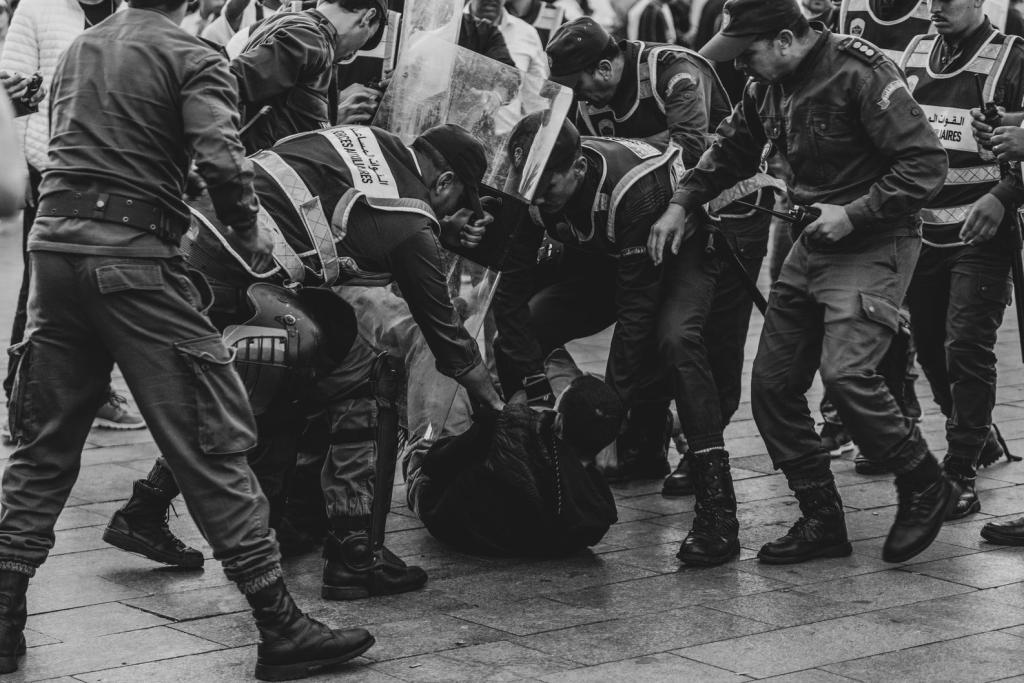
On Saturday, dozens of mothers gathered outside Morocco's parliament in Rabat, demanding the release of young people detained during the Gen Z protest movement, exactly a year after the demonstrations began. The gathering, reported by AFP and other outlets, was the emotional center of an anniversary weekend that showed Morocco youth activists have not gone quiet. Later that weekend, Morocco youth activists mobilized a campaign called Free Koulchi, meaning free everyone, in cities across the country, calling for the liberation of hundreds of detained demonstrators.
The message from the mothers was direct. Ilham Negro, whose son is among those detained, told reporters the families wanted the young people to come home after a year in custody. According to the reporting, she said one year behind bars was enough and that the detained youths had already lost a whole year of schooling, with another school year now underway. The Morocco youth activists rallying alongside them want the same outcome, and they are framing the anniversary as a campaign, not a commemoration.
How the movement began
The movement started on September 27, 2025, when an anonymous collective calling itself GenZ 212 used a Discord server to summon young people to the streets of Rabat. The protesters were mostly in their teens and twenties, and the demonstrations grew from working-class neighborhoods of the capital to Casablanca, Agadir and smaller towns, in some of the largest anti-government protests Morocco had seen in years, according to DW's analysis of the unrest.
The trigger was local and grim. In mid-September 2025, rights groups and residents staged protests in front of a regional hospital in Agadir after up to eight women died after caesarean deliveries under questionable circumstances. The movement's organizers seized on that anger and gave it a program: better public health services and education, more jobs, an end to corruption, and a challenge to stadium spending for the Africa Cup of Nations in December 2026 and the 2030 World Cup while schools and hospitals went underfunded.
The protests led by Morocco youth activists were largely peaceful at first, then turned violent on October 1 in the southern town of Lqliaa, where police fired on demonstrators. At least three people were killed in the autumn unrest. Morocco's Interior Ministry reported that more than four hundred people had been arrested in the first days of the crackdown. Official prosecutors later confirmed that more than two thousand four hundred people were charged in connection with the demonstrations, including around one thousand four hundred held in pre-trial detention, and courts handed long prison sentences and suspended terms to hundreds of demonstrators, including minors, according to AFP.
Mothers at the parliament gates
The detainees face charges including armed rebellion, inciting felonies, property damage and organizing unauthorized demonstrations, according to reports on the cases. Rights groups and the Morocco youth activists supporting them have also raised allegations of legal and procedural violations involving detainees, claims Moroccan authorities have not fully addressed, ImNews reported in its account of the September 26 gathering.
The exact number still in detention varies between reports and could not be independently established, but the figures are all large. The Free Koulchi campaign that emerged on September 28, according to TV5 Monde reporting, says more than six hundred people remain incarcerated a year after the movement, drawing support through art, music and social media campaigns. Morocco youth activists are demanding not only the release of their peers but broader social reforms that address the grievances that filled the streets in the first place.
Those grievances are demographic as much as political for Morocco youth activists. Moroccans in their teens, twenties and early thirties make up about thirty percent of the population, and official figures put unemployment among those aged 15 to 24 at thirty-seven percent in 2025, against thirteen percent across the overall workforce. The families in Rabat kept returning to the same point: prolonged detention is costing their children their education and their futures. Similar detention-rights fights have drawn international attention before, including the recent UN call for the US to halt third-country deportations.
From the streets to the ballot box
Some Morocco youth activists are now trying to convert street energy into institutional power. Hamza El Kharroubi, an environmental entrepreneur in his late twenties who protested in the streets a year ago, is campaigning for a seat in parliament and founded the Environment and Sustainability Party to channel youth engagement into formal politics. He told Al Jazeera English he was cautiously optimistic that more young Moroccans would win seats, and that the Gen Z protests had sparked more youth engagement in political parties, a shift Morocco youth activists hope turns street momentum into votes.
There is a catch. Only about four percent of registered voters belong to that youngest bracket, according to electoral rolls finalized in July. The generation that filled Morocco's squares barely registers at the polls, and closing that gap is the quiet test of whether the movement becomes a lasting political force or a memory of one turbulent autumn. Youth-led crackdowns elsewhere show how quickly state pressure can follow street mobilization, as seen in the ongoing crackdown documented in Turkiye.
The government has offered conciliation rather than concessions so far. On September 30, 2025, it issued a statement saying it was listening and understood the social demands. King Mohammed VI's speech to parliament that October called for rapid social reforms, and the health minister acknowledged chronic shortages in the national health system. Analysts quoted by DW warned, though, that the structural problems in education and health cannot be resolved quickly.
What comes next
For now, the anniversary weekend showed Morocco youth activists working on both fronts at once. The Free Koulchi campaign continues to press for the release of those still behind bars, and families are keeping the detainees' cases in public view as the legal proceedings grind on. Saturday's gathering outside parliament kept the pressure on a government that insists the prosecutions concern offenses committed during the unrest, while rights advocates keep demanding scrutiny of every case.
What began on a Discord server in late 2025 has outlasted the protest wave that defined it. A year later, the Morocco youth activists who demanded better hospitals, schools and jobs are defending detained friends in court, running for parliament, and organizing a release campaign across the country. The movement's next chapter will be written in courtrooms and ballot boxes at the same time.
Comments 0
No comments yet. Be the first to share your thoughts!
Leave a comment
Share your thoughts. Your email will not be published.